
Introduction to Biodegradable Materials
● Understanding Biodegradability
Biodegradable materials are substances that can naturally decompose through the action of microorganisms like bacteria and fungi. This process results in the breakdown of the material into water, carbon dioxide, and biomass, leaving no toxic residues behind. The growing interest in biodegradable materials is fueled by increasing awareness of environmental issues and the need to find sustainable alternatives to traditional plastics and other non-biodegradable materials.
● Importance of Biodegradable Materials
As environmental concerns continue to rise, the importance of biodegradable materials cannot be overstated. Unlike traditional plastics that linger in the environment for centuries, biodegradable materials decompose relatively quickly, thereby reducing pollution and the detrimental impact on wildlife. Moreover, these materials often require less energy to produce and contribute less to greenhouse gas emissions.
● Environmental Impact
The adoption of biodegradable materials is instrumental in mitigating several environmental issues. By reducing landfill waste and decreasing the accumulation of non-biodegradable plastics in oceans, these materials help preserve ecosystems and protect wildlife. Additionally, as biodegradable materials decompose, they release fewer toxins, contributing to cleaner air and soil.
Bamboo: The Green Giant
● Rapid Growth and Versatility
Bamboo is one of the most versatile and sustainable materials available today. Known for its rapid growth, bamboo can thrive in various conditions and requires minimal resources to cultivate. This makes it an ideal candidate for sustainable production on a large scale.
● Uses in Everyday Products
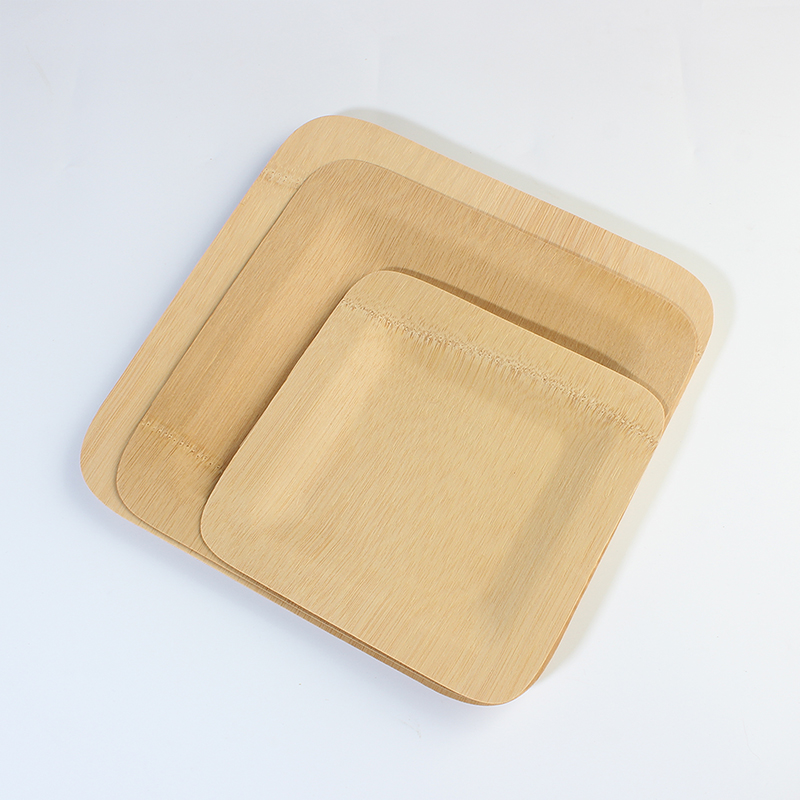
Bamboo's versatility extends to its applications in numerous everyday products. From pens and cutlery to bicycles and toothbrushes, bamboo can be crafted into a wide range of items. Its strength and durability make it a practical alternative to plastic and wood in many instances.
● Environmental Benefits
Bamboo is not only a versatile material but also an environmentally friendly one. As it grows, bamboo helps absorb carbon dioxide and releases oxygen, contributing to the reduction of greenhouse gases. Moreover, any waste generated during bamboo product manufacturing can be repurposed as fertilizer, minimizing waste and promoting a circular economy.
Sustainable Sipping: Bamboo Straws
● Comparison with Plastic and Paper Straws
Bamboo straws offer a sustainable alternative to plastic and paper straws. Unlike plastic straws, which can take hundreds of years to decompose, bamboo straws break down naturally without harming the environment. While paper straws are also biodegradable, they often become soggy and unusable after prolonged use, making bamboo straws a more durable option.
● Reusability and Disposal Benefits
One of the significant advantages of bamboo straws is their reusability. They can be easily cleaned and reused multiple times before needing to be disposed of, further reducing waste. When bamboo straws do reach the end of their lifecycle, they can be composted and will biodegrade without leaving harmful residues.
● Impact on Marine Life
Traditional plastic straws pose a significant threat to marine life, often ending up in oceans where they can be ingested by animals. Bamboo straws, being 100% biodegradable, do not pose the same risk. By choosing bamboo straws, consumers can help reduce marine pollution and protect aquatic ecosystems.
Cork: Natural and Fire-Resistant
● Biodegradability and Reusability
Cork is another remarkable biodegradable material. Derived from the bark of cork oak trees, cork is completely reusable and can biodegrade naturally. Its unique properties make it an excellent choice for various applications while also providing environmental benefits.
● Role in Reducing Greenhouse Gases
The production of cork helps in the reduction of greenhouse gases. Cork oak trees absorb significant amounts of carbon dioxide, and the process of harvesting cork does not harm the trees, allowing them to continue capturing carbon throughout their lifetime.
● Unique Fireproofing Qualities
In addition to its biodegradability, cork possesses fire-resistant qualities. This makes it an excellent material for building foundations, house bricks, and home insulation, providing both safety and sustainability. By using cork in construction, the demand for less eco-friendly materials may be reduced.
Mycelium: The Mushroom Marvel
● Use as a Building Material
Mycelium, the vegetative part of a fungus, is emerging as a revolutionary building material. It can be grown quickly and shaped into various forms, offering a sustainable alternative to traditional building materials. Mycelium is also incredibly durable, making it suitable for construction purposes.
● Environmental and Economic Benefits
The production of mycelium-based materials is both environmentally friendly and cost-effective. Mycelium can be cultivated on agricultural waste, reducing the need for new resources. Its rapid growth rate and low production costs make it an economical choice for sustainable building solutions.
● Other Unique Properties
Mycelium is not only biodegradable but also has several other beneficial properties. It is naturally fireproof, non-toxic, and can be used as an alternative to fiberglass. These attributes make it an attractive option for various industrial applications, promoting sustainability across multiple sectors.
Seaweed: The Ocean’s Gift
● Biodegradable Packaging Solutions
Seaweed-based materials are gaining attention as innovative biodegradable packaging solutions. Made entirely from plant-based substances, seaweed packaging is completely biodegradable and can dissolve in warm water, leaving no harmful chemicals behind.
● Environmental Benefits
and ApplicationsSeaweed packaging offers numerous environmental benefits. It reduces reliance on traditional plastics, thereby decreasing plastic pollution. Additionally, seaweed can be cultivated without requiring fresh water or fertilizers, making its production highly sustainable.
● Fireproof and Insulation Capabilities
Beyond its use in packaging, seaweed has impressive fireproofing and insulation properties. Seaweed-based insulation can last up to 150 years, providing long-term benefits for building constructions. These features make seaweed a versatile and eco-friendly material for various applications.
Biodegradable Cutlery: Eco-Friendly Dining
● Different Materials Used (Bamboo, Seaweed, Avocado)
Biodegradable cutlery has seen significant advancements, with various materials being explored for their sustainability. Bamboo, seaweed, and avocado-based materials are some of the top choices, each offering unique benefits in terms of biodegradability and environmental impact.
● Quality Improvements Over Time
The quality of biodegradable cutlery has improved dramatically in recent years. Innovations in material science have led to products that are durable, functional, and aesthetically pleasing. These advancements make biodegradable cutlery a viable alternative to traditional plastic utensils.
● Reduction in Plastic Waste
Switching to biodegradable cutlery can significantly reduce the amount of plastic waste generated. As more consumers and businesses embrace eco-friendly dining options, the demand for non-biodegradable plastics decreases, leading to a cleaner and healthier environment.
Hemp: Versatile and Eco-Friendly
● Legalization and Growth Conditions
The legalization of hemp production in many regions has opened doors to numerous sustainable applications. Hemp can be cultivated in various conditions, making it a resilient and versatile crop. Its rapid growth and minimal resource requirements further enhance its appeal as an eco-friendly material.
● Diverse Applications (Bio-fuel, Clothes, Paper, Medicine)
Hemp's versatility is evident in its wide range of applications. It can be processed into bio-fuel, clothing, paper, cooking oil, and even medicine. These diverse uses make hemp a valuable resource for promoting sustainability across different industries.
● Potential to Reduce Deforestation
Hemp has the potential to play a significant role in reducing deforestation. Its ability to produce high-quality paper without requiring tree felling makes it an excellent alternative to wood pulp. By adopting hemp-based products, we can help preserve forests and promote a more sustainable future.
Biodegradable Plastic Innovations
● Types of Biodegradable Plastics (PLA, Polyglycolic Acid)
Biodegradable plastics, such as polylactic acid (PLA) and polyglycolic acid, are innovative solutions designed to address the environmental issues associated with traditional plastics. These materials are derived from renewable resources and can decompose naturally, offering a more sustainable option for various applications.
● Applications in Packaging and Agriculture
Biodegradable plastics are used in a wide range of applications, including packaging, agriculture, and food services. These materials are particularly valuable in packaging, where they can help reduce the accumulation of plastic waste in landfills and oceans.
● Environmental Impact
ReductionThe adoption of biodegradable plastics can significantly reduce the environmental impact of plastic waste. By decomposing into non-toxic components, these materials minimize pollution and contribute to a cleaner environment. Additionally, the use of plant-based materials in their production further promotes sustainability.
Conclusion: The Future of Biodegradable Materials
● Summary of Benefits
The benefits of biodegradable materials are vast and varied. They offer sustainable alternatives to traditional plastics, reduce environmental pollution, and promote a circular economy. As innovations continue to emerge, the potential for biodegradable materials to transform industries and protect the planet grows.
● Call to Action for Adopting Biodegradable Options
Consumers, businesses, and policymakers must all play a role in adopting biodegradable options. By choosing eco-friendly materials and supporting sustainable practices, we can collectively work towards a greener and more sustainable future. It is time to prioritize the planet and make informed choices that benefit both the environment and future generations.
● Future Trends and Innovations
The future of biodegradable materials is promising, with ongoing research and development leading to new and innovative solutions. From advancements in bioplastics to the exploration of unconventional materials like mycelium and seaweed, the possibilities are endless. As technology and awareness continue to evolve, so too will the options for sustainable living.
Company Profile: Takpakwood
Suqian DAGOUXIANG Trading Co., LTD. is a reputable company specializing in the distribution and manufacture of packaging solutions. As a subsidiary of Suqian Green Wooden Products Co., Ltd., a leader in the R&D, production, and sales of wooden food packaging in China since 2002, Takpakwood offers a comprehensive range of biodegradable packaging materials. Their strong design and customer service teams work closely with clients to provide customized solutions, ensuring branding needs are met. Takpakwood is committed to delivering high-quality, eco-friendly packaging solutions to meet diverse customer requirements. Contact Suqian DAGOUXIANG Trading Co., LTD. today to find the perfect packaging solution for your business.

Post time: 2024-09-16 11:27:02

 Privacy settings