
Introduction to Disposable Plates and Decomposition Rates
Understanding the decomposition rates of disposable plates is crucial for making informed environmental decisions. In a world increasingly concerned with sustainability, the choice between using disposable plates and reusable dishes has far-reaching implications. This article delves into various factors affecting how long disposable plates take to decompose and the broader environmental impact of these widely used items.
Material Composition of Disposable Plates
● Types of Materials
Disposable plates are crafted from a variety of materials, each with unique decomposition rates. Common materials include paper, plastic, and more eco-friendly options like bamboo and sugarcane pulp. The material composition significantly impacts how these plates break down in the environment.
● Environmental Friendly Disposable Plates
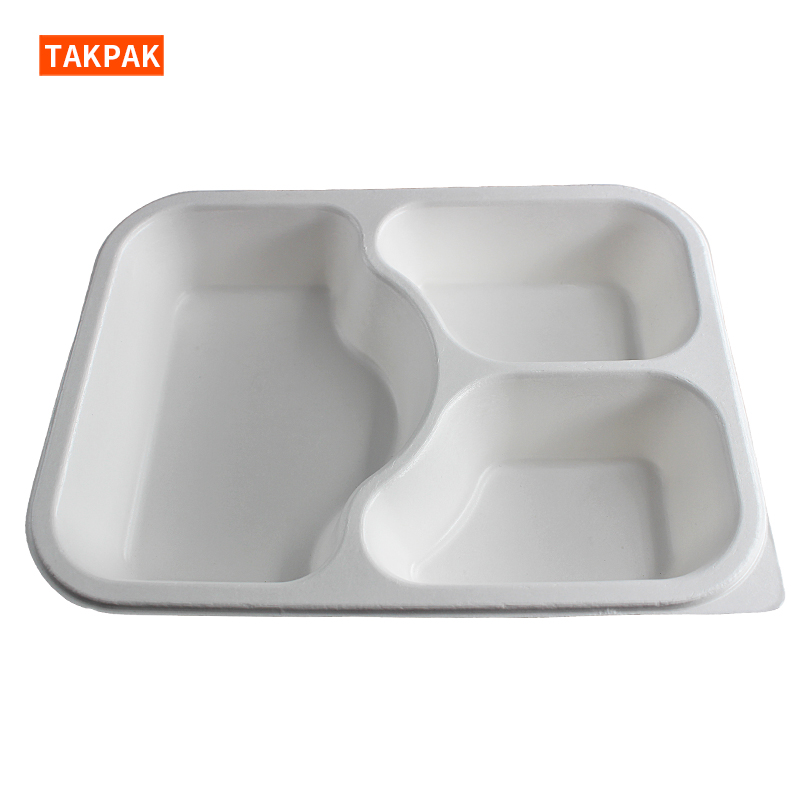
environmentally friendly disposable plates, often made from bamboo, palm leaves, or sugarcane pulp, offer a more sustainable alternative. These materials are chosen for their quick decomposition rates and minimal environmental footprint.
Environmental Factors Affecting Decomposition
● Temperature and Humidity
The rate at which disposable plates decompose is highly dependent on environmental conditions. High temperatures and humidity levels accelerate the breakdown process. For instance, in compost environments, paper plates can degrade much faster than in arid, cooler climates.
● Aeration and Microbial Activity
Proper aeration and the presence of microbial activity are critical for the efficient decomposition of disposable plates. Compost piles with good air circulation and active microbes can significantly reduce the time required for a disposable plate to break down.
Timeframe for Decomposition of Paper Plates
● Typical Decomposition Period
On average, disposable paper plates take about 3-4 months to decompose under optimal composting conditions. This timeframe varies based on the specific environmental factors mentioned earlier.
● Comparison with Other Materials
While paper plates decompose relatively quickly, other materials like plastics can take hundreds of years to break down. In contrast, plates made from bamboo or palm leaves may decompose even faster than paper, making them an eco-friendlier choice.
Comparing Paper Plates to Other Disposable Alternatives
● Plastic Disposable Plates
Plastic disposable plates can take up to 1,000 years to decompose, posing a significant environmental challenge. Unlike paper, plastic does not easily degrade and often breaks down into harmful microplastics.
● Biodegradable and Compostable Options
Biodegradable plates made from materials like cornstarch and sugarcane pulp decompose significantly faster than traditional plastic plates. These options offer a more sustainable alternative but can be more expensive.
Impact of Landfills on Disposable Plate Decomposition
● Anaerobic Conditions in Landfills
Landfills often provide anaerobic conditions, where oxygen is limited, slowing down the decomposition process. Paper plates, which might decompose in a few months in a compost pile, can take years in a landfill environment.
● Space and Environmental Impact
The accumulation of disposable plates in landfills takes up valuable space and can release methane, a potent greenhouse gas, during decomposition. Proper disposal methods, such as composting, can mitigate these negative impacts.
Composting as a Solution for Disposable Plates
● Benefits of Composting
Composting disposable plates not only accelerates their decomposition but also enriches the soil with valuable nutrients. This process mitigates landfill accumulation and reduces greenhouse gas emissions.
● Methods of Composting
Home composting, industrial composting, and community composting programs offer effective ways to manage disposable plate waste. Ensuring that plates are made from compostable materials is crucial for this process to be effective.
Long-Term Environmental Impacts of Disposable Plates
● Carbon Footprint
The production and disposal of disposable plates contribute to carbon emissions. By choosing environmentally friendly disposable plates and proper disposal methods, we can significantly reduce our carbon footprint.
● Resource Depletion
The manufacturing of disposable plates from non-renewable resources like petroleum for plastic plates depletes valuable natural resources. Opting for sustainable materials like bamboo and sugarcane helps conserve these resources.
Alternatives to Disposable Plates for Eco-Friendliness
● Reusable Plates
Reusable plates made from ceramic, glass, or melamine are more sustainable options. Although they require washing, the long-term environmental benefits far outweigh the impact of disposable plates.
● Eco-Friendly Disposable Plates
Opting for eco-friendly disposable plates from environmentally friendly disposable plates manufacturers is a viable alternative. Suppliers like environmentally friendly disposable plates factories offer products made from sustainable materials that decompose quickly.
Conclusion: Making Sustainable Choices
Making informed choices about tableware can significantly impact our environment. While disposable plates offer convenience, their long-term environmental costs are considerable. Opting for eco-friendly alternatives and proper disposal methods, such as composting, can mitigate these effects.
● Company Profile: Takpakwood
Suqian DAGOUXIANG Trading Co., LTD., under the brand name Takpakwood, specializes in environmentally friendly packaging solutions. As a subsidiary of Suqian Green Wooden Products Co., Ltd., a leader in wooden food packaging since 2002, they offer a wide range of sustainable packaging options. Takpakwood is dedicated to providing high-quality, customized packaging solutions, ensuring food-grade safety through purely physical processing methods. Committed to sustainability, Takpakwood remains a leading supplier in the environmentally friendly disposable plates market.
Post time: 2024-07-19 11:02:04




 Privacy settings