
Introduction to environmentally friendly packaging
The importance of sustainable packaging in today's world cannot be overstated. With increasing awareness of the devastating impacts of conventional packaging on the environment, businesses and consumers alike are seeking more sustainable solutions. However, the search for environmentally friendly packaging can be overwhelming, given the myriad options and the potential for greenwashing. To navigate this complex landscape, it is essential to understand what constitutes environmentally friendly packaging and how businesses can implement it effectively.
Defining "Eco-Friendly" Packaging
● Criteria for Eco-Friendliness
Eco-friendly packaging is defined by several key criteria. It must be made from materials that can be replaced, renewed, or replenished. Moreover, these materials should decompose without leaving harmful chemicals behind. This definition encompasses a wide range of packaging solutions, from biodegradable materials to those that can be recycled multiple times.
● Differences Between "Green," "Sustainable," and "Eco-Friendly"
The terms "green," "sustainable," and "eco-friendly" are often used interchangeably, but they have distinct meanings. "Green" refers to products or practices that have a minimal negative impact on the environment. "Sustainable" implies that the packaging can be produced and disposed of in a way that meets current needs without compromising the ability of future generations to meet their needs. "Eco-friendly" is a broader term that includes both green and sustainable practices, emphasizing the overall environmental benefit.
The Role of Reusability in Sustainability
● Benefits of Reusable Packaging
One crucial aspect of environmentally friendly packaging is reusability. Reusable packaging products are designed to be durable enough to be used multiple times, significantly reducing the need for single-use packaging. This not only conserves resources but also decreases the waste generated, contributing to a circular economy where materials are continuously reused.
● Comparing Reusable vs. Single-Use Packaging
When comparing reusable packaging to single-use options, the benefits become clear. Reusable packaging often has a higher initial cost but offers long-term savings and environmental benefits. Single-use packaging may be cheaper initially, but it contributes to a linear economy, where products are made, used, and then discarded, often ending up in landfills or oceans.
Recycled Paper Pulp: A Staple Material
● Advantages of Using Recycled Paper Pulp
Recycled paper pulp, derived from wood fibers, is a cornerstone of environmentally friendly packaging. This material can be made from post-consumer waste, reducing the need for virgin resources. The process of recycling paper pulp also uses less energy and water compared to producing new paper from raw materials.
● Common Applications: Corrugated Cardboard, Cardstock
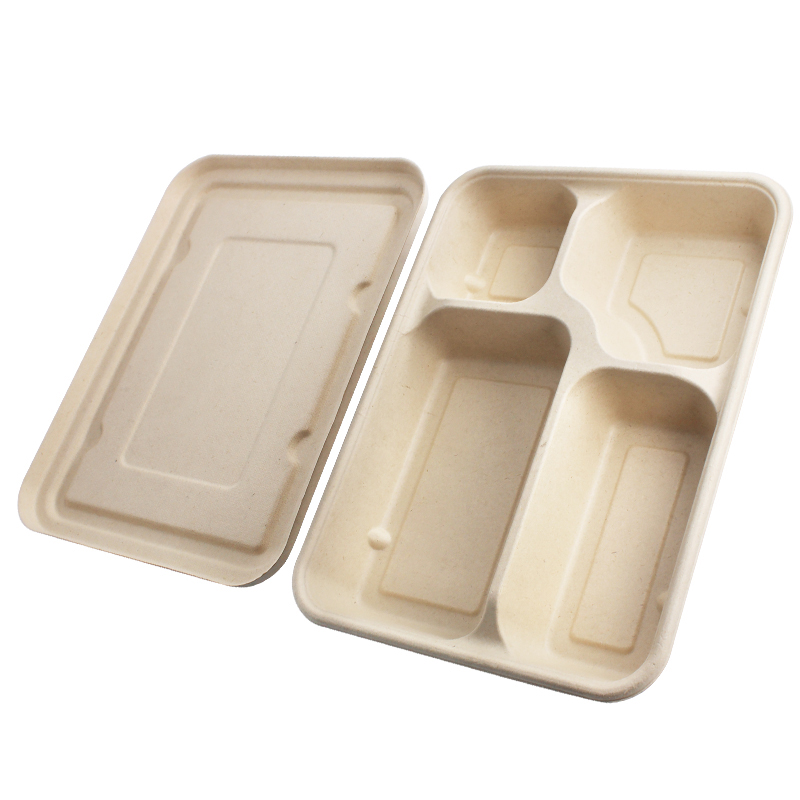
Recycled paper pulp is primarily used in the production of corrugated cardboard and cardstock. These materials are ubiquitous in packaging due to their durability and versatility. They can be easily molded into various shapes and sizes, making them suitable for a wide range of products.
Virgin Paper Pulp: Balancing Sustainability
● The Need for Virgin Paper Pulp in Packaging
While recycled paper pulp is highly beneficial, it has its limitations. Over time, the fibers in recycled paper become shorter and lose structural integrity. To maintain the strength and durability of paper products, virgin paper pulp, made from freshly cut trees, is sometimes necessary.
● Forest Stewardship Council (FSC) Certification
To ensure that virgin paper pulp is sourced responsibly, businesses can look for Forest Stewardship Council (FSC) certification. This certification indicates that the paper pulp is harvested from sustainably managed forests, ensuring environmental and social responsibility.
Compostable Packaging: Breaking Down Naturally
● Popular Compostable Materials: Corn, Sugar Cane, Beets
Compostable packaging has gained popularity due to its ability to break down naturally without leaving harmful residues. Common materials used in compostable packaging include corn, sugar cane, and beets. These plant-based materials are renewable and decompose quickly under the right conditions.
● Timeframes for Compostability in Different Environments
Compostable packaging should ideally break down within 180 days in a home compost environment or within 90 days in a commercial composting facility. The timeframe for decomposition can vary depending on factors such as temperature, moisture, and microbial activity.
Innovative Materials: Hemp and Its Benefits
● Legal Advancements in Hemp Usage
Hemp has emerged as a promising material for environmentally friendly packaging due to recent legal advancements in its cultivation and use. Hemp is a fast-growing plant that requires minimal pesticides and water, making it an eco-friendly option.
● Bioplastic Potential and Decomposition Time
The hurd and cellulose from the hemp plant can be used to create bioplastics, which are fully biodegradable. Hemp-based bioplastics can decompose in landfills in as little as six months, offering a viable alternative to conventional plastics.
Mushroom Packaging: Nature's Solution
● How Mushroom Roots and Agricultural Waste Combine
Mushroom packaging, made from agricultural waste and mycelium (the root structure of mushrooms), is an innovative and eco-friendly solution. The process involves combining organic waste with mycelium, which acts as a natural binder, growing into a solid form that can be molded into various shapes.
● Benefits of Using Mushroom Packaging
Mushroom packaging is entirely biodegradable and requires minimal resources to produce. It can be composted at home or in commercial facilities, breaking down into organic matter that enriches the soil. Companies like IKEA have adopted mushroom packaging to reduce their carbon footprint and make their operations more sustainable.
Seaweed Packaging: Harnessing Marine Resources
● The Role of Agar in Packaging
Seaweed, particularly agar derived from seaweed and algae, is another innovative material for environmentally friendly packaging. Agar is commonly used in cooking as a vegetarian alternative to gelatin, but it also has applications in packaging.
● Combining Seaweed with Plant Waste for Flexible Materials
By combining agar with plant waste, such as corn and wheat, manufacturers can create flexible packaging materials. These materials are fully biodegradable and offer a sustainable alternative to traditional plastics. Seaweed packaging is particularly promising for single-use items, reducing the environmental impact of disposable packaging.
Kraft Paper: An Overlooked Eco-Friendly Option
● Manufacturing Process and Benefits
Kraft paper, made from paper pulp, is a versatile and eco-friendly packaging material. The manufacturing process allows for the use of a broader range of trees, including those that might not be suitable for other types of paper production. This maximizes resource use and minimizes waste.
● Comparing Kraft Paper to Traditional Paper Products
Kraft paper is stronger and more durable than many traditional paper products, making it ideal for packaging applications. It also breaks down more quickly and easily due to the use of gentler adhesives in its production. This makes kraft paper an excellent choice for businesses looking to implement sustainable packaging solutions without compromising on performance.
Sustainable Packaging Solutions for Small Businesses
● Importance of Simple, Effective Packaging
For small businesses, adopting sustainable packaging can seem daunting. However, it doesn't have to be complicated. Simple, effective solutions like recycled cardboard boxes can offer significant environmental benefits without requiring a complete overhaul of packaging practices.
● Affordable Eco-Friendly Packaging Options
While innovative materials like hemp, seaweed, and mushroom packaging hold great promise, they are currently out of reach for many small businesses due to cost and availability. Affordable options like recycled paper pulp and kraft paper can provide sustainable packaging solutions that are both effective and budget-friendly.
Conclusion: Finding the Right Environmentally Friendly Packaging
● Implementing Eco-Friendly Packaging Solutions
As we've seen, there are many options for environmentally friendly packaging, each with its benefits and challenges. The key is to find the right solution that meets your business's specific needs while minimizing environmental impact. By working with an environmentally friendly packaging manufacturer or supplier, you can access a range of sustainable packaging materials tailored to your requirements.
● The Role of Custom Packaging
Custom packaging solutions can further enhance the sustainability of your operations. By designing packaging that fits your products perfectly, you can reduce material use and waste. Environmentally friendly packaging factories and suppliers often offer customization options, allowing you to align your packaging with your brand's sustainability goals.
Introducing Takpakwood
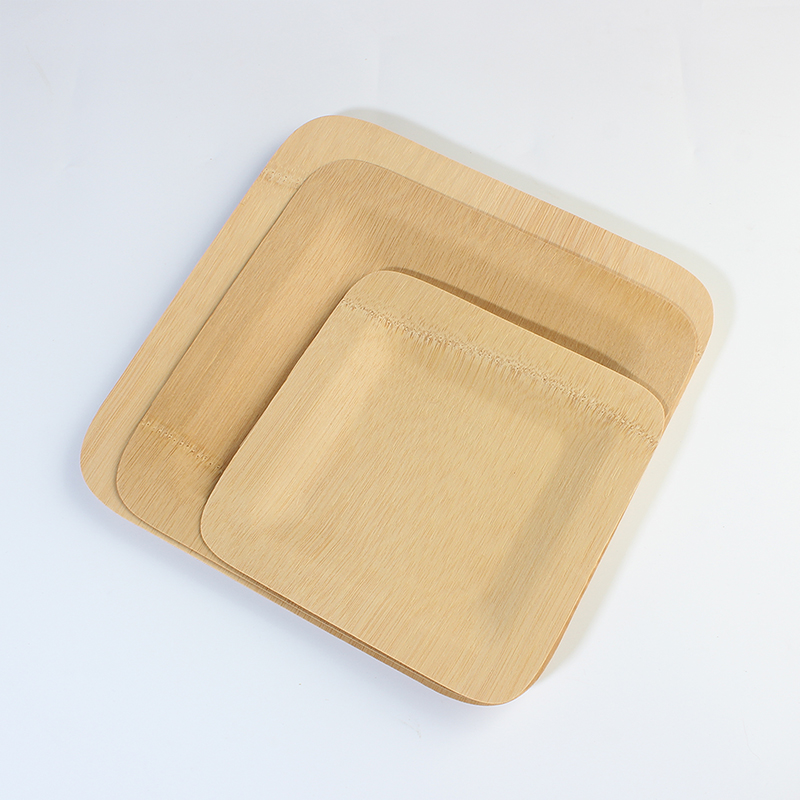
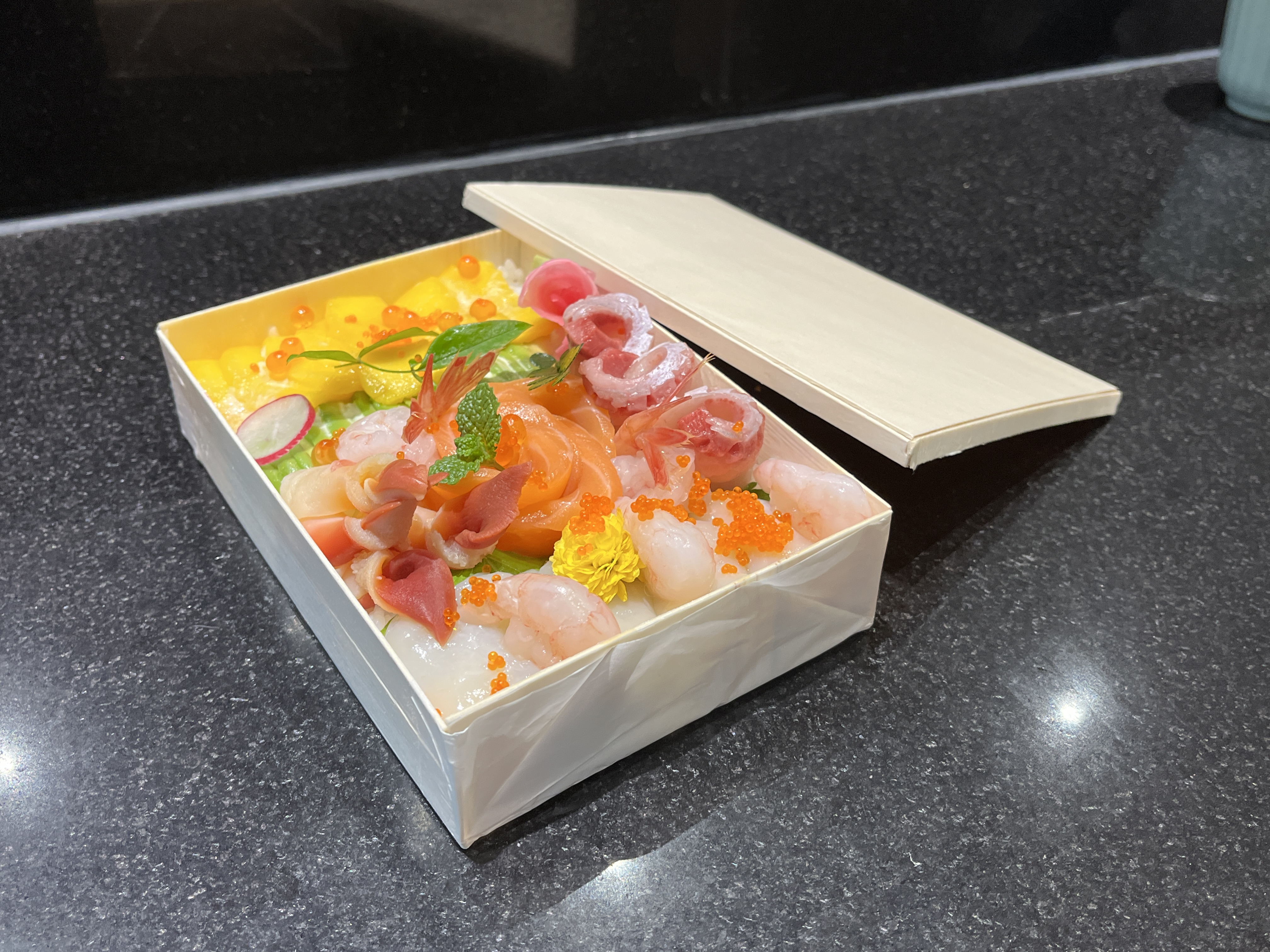
Suqian DAGOUXIANG Trading Co., LTD., operating under the brand name Takpakwood, is a reputable company specializing in the distribution and manufacture of packaging solutions. As a subsidiary of Suqian Green Wooden Products Co., Ltd., a leader in the wooden food packaging industry since 2002, Takpakwood offers a comprehensive range of packaging options, including paper, plastic, bamboo, sugarcane pulp, and ceramic. Known for their strong design and customer service teams, Takpakwood provides customized packaging solutions, ensuring food-grade safety with products processed through purely physical methods. Contact Takpakwood for high-quality, environmentally friendly packaging solutions tailored to your business needs.
Post time: 2024-09-08 10:46:02


 Privacy settings