
Introduction to Sugarcane Plates
In today's environmentally conscious world, finding sustainable alternatives to conventional materials is paramount. Sugarcane plates, also known as bagasse plates, represent a significant innovation in disposable tableware. Unlike traditional plastic or paper plates, these eco-friendly options are made from renewable resources and boast several environmental and practical benefits. This article delves into the raw material used for sugarcane plates, the manufacturing process, and why they are a superior choice for both consumers and businesses.
The Raw Material: Bagasse
● Explanation of Bagasse
Bagasse is the fibrous residue that remains after the extraction of juice from sugarcane. Traditionally, this byproduct was either discarded or used as a fuel source in sugar mills. However, with the growing demand for sustainable materials, bagasse has gained prominence as the primary raw material for eco-friendly tableware, including sugarcane plates.
● Process of Sugar Extraction and Bagasse Production
The production of bagasse begins with the cultivation of sugarcane, a rapidly renewable resource. After harvesting, the sugarcane is crushed to extract its juice, which is then processed to produce sugar. The remaining fibrous residue, known as bagasse, is collected, washed, and dried. This bagasse is then pulped, making it ready for the next stage: the manufacturing of sugarcane plates.
Environmental Benefits of Bagasse
● Biodegradability and Compostability
One of the most significant advantages of sugarcane plates is their biodegradability. Unlike plastic plates, which can take hundreds of years to decompose, sugarcane plates break down naturally within months. Composting these plates further accelerates this process, turning them into valuable organic matter that enriches the soil.
● Reduction of Landfill Waste
The widespread use of single-use plastic plates has contributed significantly to the accumulation of non-biodegradable waste in landfills. By switching to sugarcane plates, consumers and businesses can drastically reduce the amount of waste that ends up in these sites, promoting a more sustainable waste management system.
The Manufacturing Process
● Pulping and Molding Bagasse
The process of turning bagasse into sugarcane plates involves several steps. Firstly, the dried bagasse is pulped to form a slurry. This slurry is then pressed and molded into the desired shapes using high heat and pressure. This method ensures that the final product is sturdy and durable, capable of withstanding various culinary applications.
● Use of High Heat and Pressure
The use of high heat and pressure during the molding process not only shapes the plates but also sterilizes them. This ensures that the sugarcane plates are free from any contaminants, making them safe for food contact. Additionally, this process enhances the plates' resistance to hot and cold temperatures, making them suitable for a wide range of uses.
Versatility and Safety Features
● Microwave and Freezer Safe Qualities
One of the standout features of sugarcane plates is their versatility. Unlike some disposable plates that warp or degrade when exposed to extreme temperatures, sugarcane plates can be safely used in both microwaves and freezers. This makes them ideal for reheating leftovers or storing food without compromising their structural integrity.
● Resistance to Soaking and Leaking
Sugarcane plates are naturally soak-proof, meaning they can handle liquids without becoming soggy or leaking. This feature is particularly beneficial for serving saucy or greasy dishes, ensuring a mess-free dining experience.
Durability and Practicality
● Sturdiness and Durability in Use
Despite being eco-friendly, sugarcane plates are remarkably sturdy and durable. Unlike flimsy paper plates that can bend and collapse under the weight of food, sugarcane plates provide a reliable surface for serving meals. This makes them an excellent choice for various occasions, from casual picnics to formal events.
● Comparison with Plastic and Paper Plates
When compared to traditional plastic and paper plates, sugarcane plates emerge as the superior choice. Plastic plates, while durable, contribute to environmental pollution and pose health risks due to chemical leaching. Paper plates, on the other hand, may be biodegradable but often lack the durability and soak-proof qualities of sugarcane plates. Sugarcane plates strike the perfect balance, offering both environmental benefits and practical usability.
Chemical-Free Composition
● Absence of Harmful Chemicals
Unlike some disposable plates that contain harmful chemicals or coatings, sugarcane plates are free from plastic or wax linings. This means they do not release toxic substances when exposed to high temperatures or when coming into contact with food. This chemical-free composition ensures that sugarcane plates are a safe and healthy choice for consumers.
● Health Benefits of Using Sugarcane Plates
The absence of harmful chemicals in sugarcane plates translates to numerous health benefits. Consumers can enjoy their meals without worrying about ingesting toxic substances. Moreover, using sugarcane plates can contribute to a healthier environment, free from the pollution caused by plastic waste.
Applications and Use Cases
● Suitable for Various Events and Occasions
Sugarcane plates are incredibly versatile and can be used for a wide range of events and occasions. Whether it's a family picnic, a barbecue, a wedding, or a corporate event, these plates offer a sustainable and practical solution for serving food. Their elegant appearance also makes them suitable for formal gatherings, providing an eco-friendly alternative to traditional disposable tableware.
● Different Sizes and Shapes Available
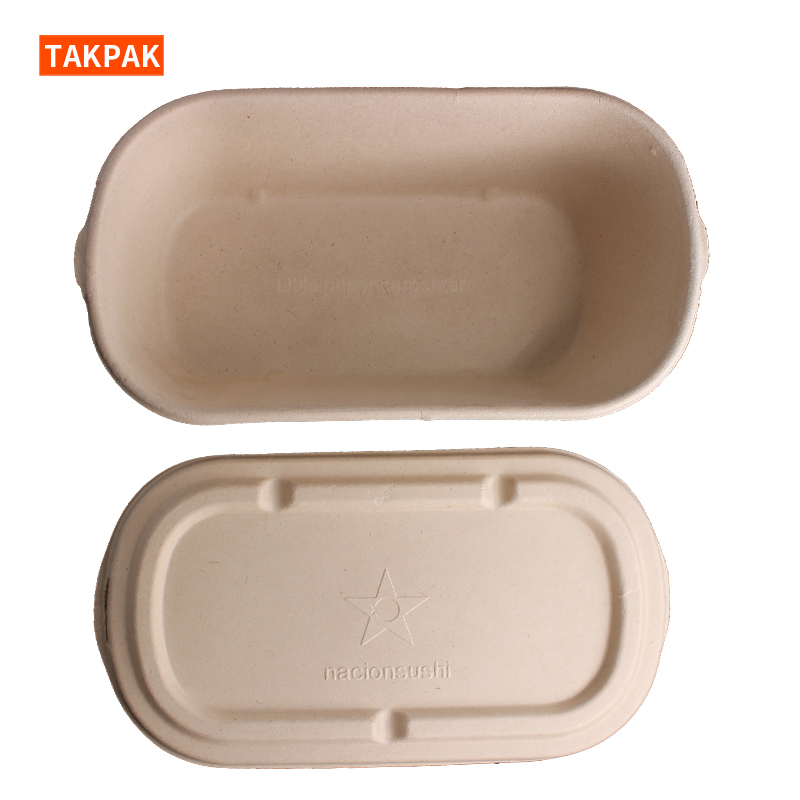
To cater to diverse serving needs, sugarcane plates come in various sizes and shapes. From small appetizer plates to large dinner plates, consumers can choose the perfect size for their specific requirements. This variety ensures that sugarcane plates can be used for different types of meals, enhancing their overall utility.
Economic and Consumer Benefits
● Cost-Effectiveness in the Long Run
While sugarcane plates may have a slightly higher upfront cost compared to traditional disposable plates, they offer significant economic benefits in the long run. Their durability reduces the need for multiple plates, and their environmental benefits can lead to cost savings in waste management. Additionally, businesses that adopt sugarcane plates can attract environmentally conscious customers, boosting their market appeal.
● Consumer Preference for Eco-Friendly Products
The growing awareness of environmental issues has led to a shift in consumer preferences towards eco-friendly products. By choosing sugarcane plates, consumers can make a positive impact on the environment while enjoying the practicality and reliability of these plates. This preference for sustainable products is also reflected in the increasing demand for wholesale sugarcane plates, prompting manufacturers and suppliers to expand their offerings.
Future Prospects and Sustainability
● Growth of Sustainable Products Market
The market for sustainable products is experiencing rapid growth, driven by the increasing demand for eco-friendly alternatives. Sugarcane plates are at the forefront of this trend, offering a viable solution to the environmental challenges posed by traditional disposable tableware. Manufacturers and suppliers are continuously innovating to enhance the quality and functionality of sugarcane plates, ensuring their continued popularity in the market.
● Potential for Innovation and Broader Adoption
As the technology for producing sugarcane plates improves, there is significant potential for innovation in this field. New manufacturing techniques and designs can further enhance the durability, appearance, and usability of sugarcane plates. Additionally, broader adoption of these plates by consumers and businesses can lead to a more sustainable future, reducing the overall environmental impact of disposable tableware.
Introduction to Takpakwood
Takpakwood, a brand under Suqian DAGOUXIANG Trading Co., LTD., is a leading name in the distribution and manufacture of packaging solutions. As a subsidiary of Suqian Green Wooden Products Co., Ltd., established in 2002, Takpakwood specializes in providing high-quality wooden food packaging and has expanded into paper, plastic, bamboo, sugarcane pulp, and ceramic packaging. With a strong design and customer service team, Takpakwood offers customized packaging solutions tailored to meet the unique needs of their clients, ensuring food-grade safety and environmental responsibility. For more information, visit [Takpakwood's website]().

Post time: 2024-07-23 11:13:13


 Privacy settings