
In an era where sustainability is of paramount importance, the search for eco-friendly packaging solutions is more pressing than ever. The question arises, The answer is a resounding yes. This article aims to explore the world of biodegradable containers, focusing on their composition, advantages, challenges, and the role of various stakeholders, including manufacturers, suppliers, and consumers.
Introduction to Biodegradable Plastic Containers
● Definition and Importance
Biodegradable plastic containers are designed to break down through natural processes, minimizing their environmental impact. As consumers and businesses alike grow more environmentally conscious, the demand for sustainable packaging solutions has skyrocketed. These containers offer a viable alternative to traditional plastics, which can take hundreds of years to decompose.
● Growing Consumer Demand for Sustainability
Today’s consumers are more informed and concerned about the environmental footprint of the products they use. This shift in consumer behavior has led to an increased demand for biodegradable containers. Surveys show that a significant number of consumers are willing to pay a premium for products packaged in eco-friendly materials, indicating a strong market trend towards sustainability.
Historical Context of Biodegradable Packaging
● Traditional Plastic Packaging Issues
Traditional plastic packaging, primarily made from petroleum-based materials, has been a staple in the food industry due to its durability and protective qualities. However, these benefits come at a significant environmental cost. Conventional plastics contribute massively to landfill waste, taking centuries to decompose and leading to severe ecological damage.
● Shift Towards Eco-Friendly Alternatives
In response to the detrimental effects of traditional plastics, there has been a notable shift towards biodegradable and compostable alternatives. These materials aim to offer the same protective qualities as conventional plastics while ensuring they break down more efficiently and harmlessly in the environment.
What Makes Packaging Biodegradable?
● Composition and Degradation Process
Biodegradable packaging is typically made from materials that can decompose through the action of natural agents such as water, sunlight, and microorganisms. These containers break down into natural substances like water, carbon dioxide, and biomass, leaving no toxic residue behind.
● Comparison with Compostable Packaging
While all compostable packaging is biodegradable, not all biodegradable packaging is compostable. Compostable packaging requires specific conditions to break down and leaves behind nutrient-rich compost. In contrast, biodegradable packaging may take longer to degrade and does not necessarily add value to the soil.
Types of Biodegradable Materials
● Biodegradable vs. Bio-Based Materials
Biodegradable materials can be either bio-based or fossil-based. The biodegradability of a material depends on its chemical structure rather than its origin. Bio-based materials are derived from renewable resources like corn starch or sugarcane, while some fossil-based plastics are engineered to be biodegradable.
● Common Polymers Used in Biodegradable Packaging
1. Polylactic Acid (PLA): Made from corn sugars and plant amino acids, PLA is a transparent bioplastic commonly used in food packaging.
2. Polyhydroxyalkanoates (PHA): Produced by microbial fermentation of sugars, PHAs are used in a variety of applications.
3. Starch Mixtures: These are often combined with other biodegradable polymers to enhance their properties.
Use Cases in the Food Industry
● Applications in Catering and Hospitality
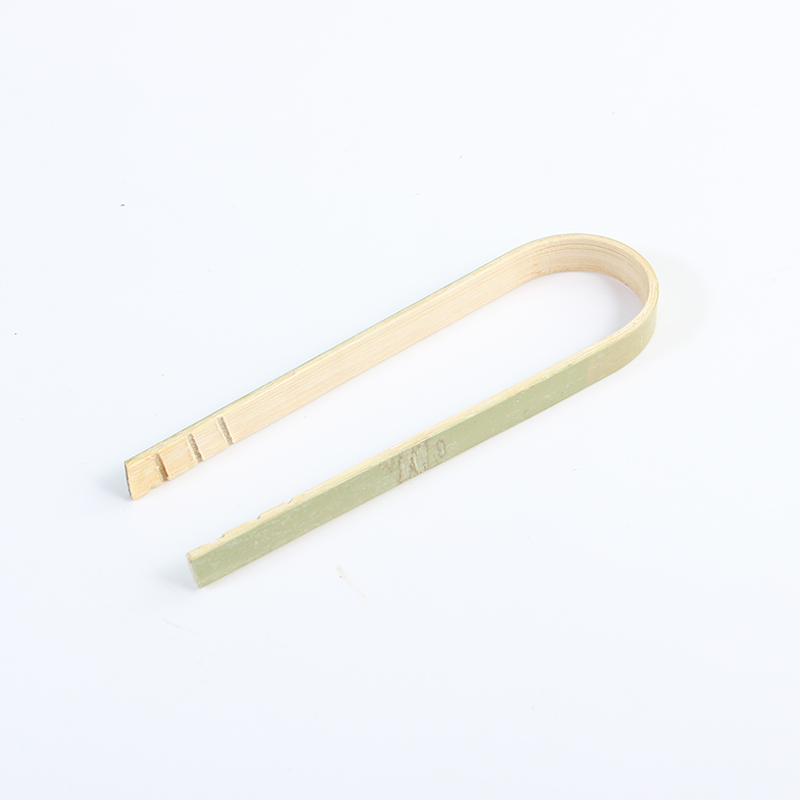
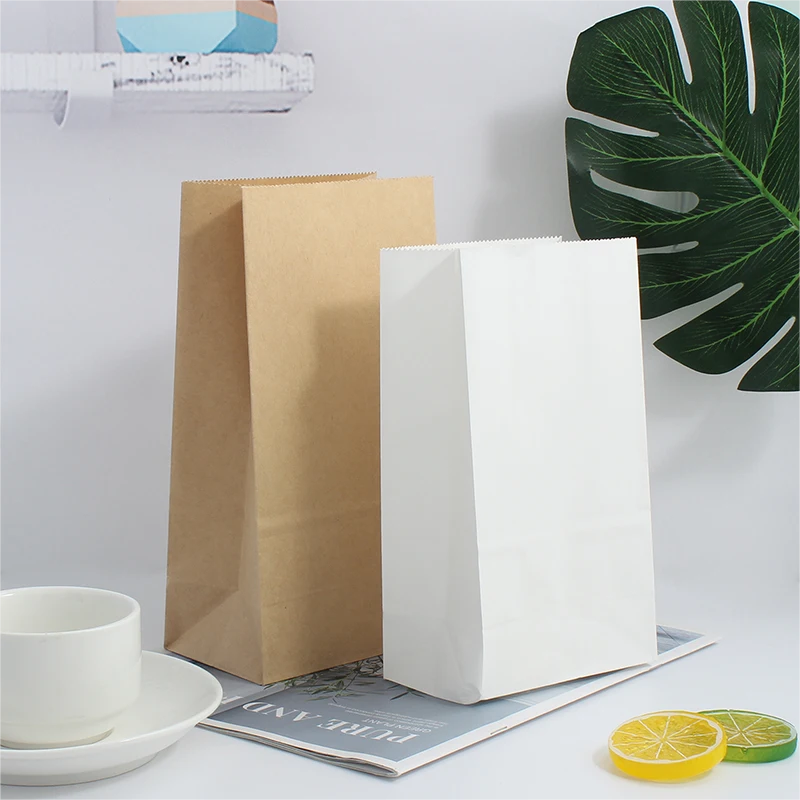
The food and hospitality industry is a significant user of biodegradable materials, particularly for single-use items such as cutlery, takeaway containers, and packaging for food preparations. These biodegradable containers ensure food safety and hygiene while minimizing environmental impact.
● Single-Use Items and Their Benefits
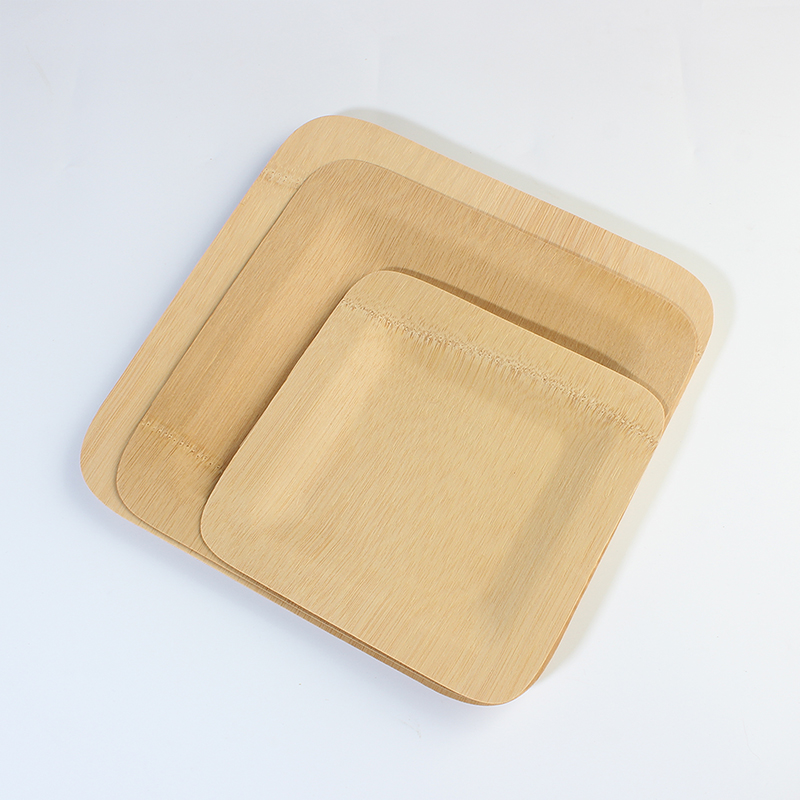
Single-use biodegradable items are particularly beneficial in reducing the accumulation of plastic waste. Products like biodegradable food trays, cups, and straws are increasingly replacing their plastic counterparts in the market, contributing to reduced landfill waste and pollution.
Advantages of Biodegradable Packaging
● Environmental Benefits
Biodegradable packaging significantly reduces plastic pollution, as it breaks down much faster than traditional plastics. This reduction in waste contributes to less environmental degradation and a decrease in the harmful effects of plastic accumulation in our ecosystems.
● Economic and Regulatory Advantages
As governments worldwide introduce stricter regulations on plastic use, companies adopting biodegradable packaging can better comply with these laws, avoiding potential fines and gaining a competitive edge. Additionally, consumer preference for sustainable products often translates to increased sales and brand loyalty.
Challenges and Limitations
● Processability Issues
Despite its advantages, biodegradable packaging faces challenges in its production and application. Issues such as material cost, manufacturing process efficiency, and limited performance under certain conditions can hinder its widespread adoption.
● Temperature and Durability Constraints
Biodegradable materials often have lower resistance to high temperatures and may not be suitable for all types of food packaging. While they are excellent for fresh, organic, and perishable foods, their application may be limited for products requiring high-temperature processing or long shelf life.
Consumer Impact and Preferences
● Willingness to Pay a Premium for Sustainability
Studies show that a significant portion of consumers are willing to pay more for products packaged in biodegradable materials, reflecting their growing concern for the environment. This willingness to invest in sustainable products indicates a robust market potential for biodegradable packaging.
● Trends in Consumer Behavior and Market Demand
There is a clear trend towards eco-friendly products, driven by heightened awareness of environmental issues. As consumers increasingly prioritize sustainability, companies are compelled to adopt biodegradable packaging solutions to meet market demand and enhance their brand image.
Regulations and Standards
● Overview of UNE EN-13432 Standard
The UNE EN-13432 standard sets stringent requirements for compostable packaging, ensuring that such materials break down within six months and convert at least 90% of their contents into compost, CO2, and water. Compliance with this standard is crucial for manufacturers aiming to market their products as compostable.
● Compliance with International and European Laws
Adhering to international and European regulations on biodegradable packaging not only ensures environmental compliance but also opens up global market opportunities. Companies that meet these standards can access a broader customer base and benefit from governmental incentives.
Future of Biodegradable Packaging
● Innovations and Ongoing Research
The field of biodegradable packaging is dynamic, with continuous research and innovation leading to improved materials and processes. Advances in biotechnology and material science are expected to overcome current limitations, making biodegradable packaging more efficient and cost-effective.
● Predictions for Market Growth and Environmental Impact
The market for biodegradable packaging is projected to grow significantly, driven by increasing consumer awareness and regulatory pressures. As more companies adopt these materials, the environmental impact of plastic waste is expected to decrease, contributing to a more sustainable future.
Conclusion
Biodegradable plastic containers represent a crucial step towards a more sustainable and eco-friendly future. With ongoing advancements in material science and growing consumer demand, the adoption of biodegradable packaging solutions is set to increase. Manufacturers, suppliers, and consumers all play a vital role in this transition, ensuring that we move towards a greener planet.
Company Profile
Suqian DAGOUXIANG Trading Co., LTD. is a reputable company specialized in the distribution and manufacture of packaging solutions. We are a subsidiary of Suqian Green Wooden Products Co., Ltd., a well-known business that has been in the industry since 2002. Our parent company is a leader in the R&D, production, and sales of wooden food packaging in China. Building on the success of our parent company, Suqian DAGOUXIANG Trading Co., LTD. has expanded its trading business to include paper, plastic, bamboo, sugarcane pulp, and ceramic packaging. We provide customers with a full range of packaging solutions to meet their specific needs. Contact us today and let us help you find the perfect packaging solution for your business.

Post time: 2024-09-20 11:33:03

 Privacy settings