
Introduction
The increasing global focus on environmental sustainability has led many to question the recyclability of everyday items, including sushi containers. As sushi has become a popular food choice, the demand for wholesale sushi containers has skyrocketed. Consequently, understanding whether these containers can be recycled becomes crucial. This article delves into the materials used in sushi containers, how to effectively recycle them, the environmental impact, and the future of sustainable packaging.
What Are Sushi Containers Made Of?
● Composition Materials
Sushi containers, often referred to as sushi clams, are typically made from polypropylene (PP) plastic. Polypropylene is chosen for its durability, high melting point, and resistance to food oils and chemicals. These properties make it an ideal material for food packaging, especially for items like sushi that need to maintain freshness and presentation.
● Environmental Impact of Polypropylene (PP) Plastic
Polypropylene is relatively eco-friendly compared to other plastics like polyethylene terephthalate (PET) or low-density polyethylene (LDPE). PP has a high melting point of 165°F, which ensures that it does not degrade or break down during the recycling process. However, the environmental footprint of PP plastic still warrants scrutiny. While it is easy to recycle, the process involves energy consumption and the release of carbon emissions.
Recycling Sushi Containers: An Overview
● Steps to Prepare Sushi Containers for Recycling
Recycling sushi containers is a straightforward process but requires attention to detail. The first step involves cleaning the container to remove any food residue. This ensures that the container is suitable for recycling without contaminating other recyclable materials.
● Importance of Cleaning Containers Before Recycling
Clean sushi containers are essential for the recycling process. Contaminants can disrupt the recycling stream, making entire batches of recyclables unusable. Therefore, it is imperative to rinse sushi containers thoroughly to contribute effectively to recycling efforts.
Comparing Sushi Containers with Other Plastics
● Differences Between PP, PE, and PET Plastics
Polypropylene (PP) stands out among other plastics due to its high melting point and durability. Polyethylene (PE), both in its high-density (HDPE) and low-density (LDPE) forms, and polyethylene terephthalate (PET) are also common in food packaging but come with their limitations. PE and PET have lower melting points, making them less robust during recycling. They are also more susceptible to contamination, which can hamper the recycling process.
● Benefits of PP Plastic in Recycling
The robustness of PP plastic makes it a preferred choice for sushi container manufacturers, sushi container factories, and sushi container suppliers. PP can withstand the recycling process without degrading, ensuring that it can be reused effectively in new products.
The Environmental Impact of Sushi Containers
● Long-Term Effects of Plastic Waste
The long-term environmental impact of plastic waste, including sushi containers, is a significant concern. Plastics can take centuries to decompose, leading to pollution in oceans and landfills. This not only affects wildlife but also disrupts ecosystems and human health.
● Positive Outcomes from Recycling Sushi Containers
Despite the challenges, recycling sushi containers presents numerous benefits. By recycling PP plastic, we reduce the need for virgin materials, conserve natural resources, and decrease the carbon footprint. This contributes to a healthier environment and promotes sustainable practices.
Challenges in Recycling Sushi Containers
● Common Obstacles Faced in Recycling PP Plastic
Even though PP plastic is recyclable, various challenges persist. One significant obstacle is the contamination of the recycling stream with food residues or other non-recyclable materials. Additionally, the availability of recycling facilities equipped to handle PP plastic varies by region, posing logistical challenges.
● Ways to Overcome These Challenges
Efforts to overcome these challenges include better consumer education on recycling practices and increased investment in recycling infrastructure. Sushi container manufacturers can also contribute by designing containers that are easier to clean and recycle. Collaboration between consumers, businesses, and governments is essential to enhance the overall recycling process.
Alternatives to Traditional Sushi Containers
● Eco-Friendly and Compostable Options
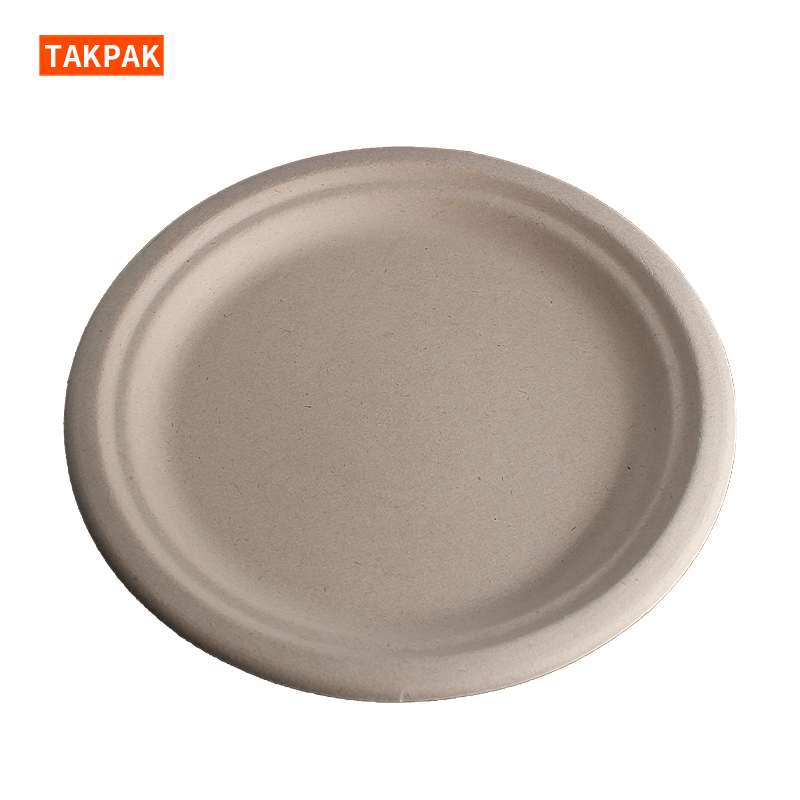
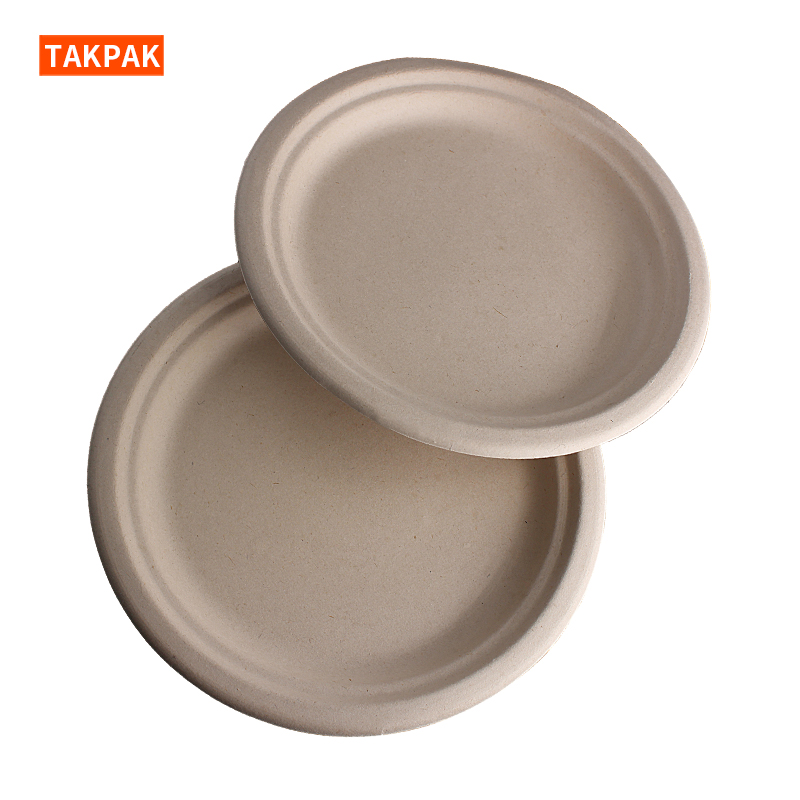
In response to the environmental impact of traditional sushi containers, many sushi container suppliers are exploring eco-friendly alternatives. Compostable containers made from materials like sugarcane pulp or bamboo are gaining popularity. These materials are biodegradable and have a significantly lower environmental footprint compared to PP plastic.
● Benefits of Switching to Sustainable Packaging
Switching to sustainable packaging offers numerous benefits. It reduces pollution, conserves natural resources, and aligns with growing consumer demand for eco-friendly products. For businesses, this shift can enhance brand reputation and attract environmentally conscious customers.
The Role of Consumers in Recycling Sushi Containers
● Actions Consumers Can Take to Improve Recycling Rates
Consumers play a critical role in the recycling process. By properly cleaning and disposing of sushi containers, consumers can significantly improve recycling rates. Additionally, opting for products with eco-friendly packaging and supporting brands that prioritize sustainability can drive positive change.
● Importance of Consumer Awareness and Education
Raising awareness and educating consumers about the importance of recycling is essential. Clear instructions on packaging, community recycling programs, and public campaigns can equip consumers with the knowledge they need to contribute effectively to recycling efforts.
Government and Corporate Initiatives in Recycling
● Policies Promoting Plastic Recycling
Governments worldwide are implementing policies to promote plastic recycling. These include regulations mandating the use of recyclable materials, incentives for businesses that prioritize sustainability, and investments in recycling infrastructure.
● Corporate Responsibility and Sustainability Programs
Corporations also have a role to play. Many sushi container manufacturers and suppliers are adopting sustainability programs to reduce their environmental impact. These initiatives often include commitments to using recyclable materials, reducing plastic waste, and engaging in corporate social responsibility (CSR) activities.
Case Studies: Successful Recycling Programs
● Examples of Effective Recycling Initiatives
Several successful recycling programs provide valuable insights. For instance, some sushi container factories have implemented closed-loop recycling systems, where used containers are collected, cleaned, and recycled into new containers. These programs demonstrate the feasibility and benefits of comprehensive recycling efforts.
● Lessons Learned from Successful Programs
Successful recycling programs highlight the importance of collaboration, innovation, and consumer engagement. By learning from these examples, other businesses and governments can adopt best practices and improve their recycling efforts.
Future Trends in Sushi Container Recycling
● Innovations in Material Science
Advancements in material science are paving the way for more sustainable packaging solutions. Researchers are developing new materials that are not only recyclable but also biodegradable and compostable. These innovations have the potential to revolutionize the packaging industry.
● Predictions for the Future of Sustainable Packaging
The future of sustainable packaging looks promising. As consumer awareness and demand for eco-friendly products grow, more businesses will adopt sustainable practices. Continued advancements in technology and material science will further enhance the recyclability and sustainability of packaging materials.
Conclusion
The recyclability of sushi containers is a complex but crucial issue in the journey towards environmental sustainability. While PP plastic used in sushi containers is recyclable, challenges such as contamination and regional disparities in recycling facilities persist. However, through consumer education, corporate responsibility, and innovative solutions, we can overcome these challenges. By adopting eco-friendly alternatives and improving recycling processes, sushi container manufacturers, factories, and suppliers can contribute significantly to a sustainable future.
Company Profile: Takpakwood
Suqian DAGOUXIANG Trading Co., LTD., under the brand name Takpakwood, is a reputable company specializing in the distribution and manufacture of packaging solutions. As a subsidiary of Suqian Green Wooden Products Co., Ltd., Takpakwood offers a wide range of eco-friendly packaging options, including paper, plastic, bamboo, sugarcane pulp, and ceramic packaging. Committed to sustainability, Takpakwood provides customized packaging solutions to meet specific customer needs, ensuring food-grade safety and environmental responsibility.
Post time: 2024-08-27 10:20:16


 Privacy settings