
Lost in a maze of small wooden box trends for 2026, you just want to know which boxes sell, not earn a PhD in lumber lore or memorize every shade of “rustic walnut chic.”
Skip the guesswork by checking real market data and forecasts, then picking box styles that match proven demand patterns—start with the global wood packaging insights in this authoritative report.
📦 Global demand drivers for small wooden boxes in 2026
By 2026, the small wooden box market will grow steadily as brands seek natural packaging, premium gifting, and reusable storage solutions that improve product value and user experience.
Rising e‑commerce, luxury food packaging, and tourism gifts will also support strong demand for compact, customizable box formats across multiple industries worldwide.
1. Premium food and beverage packaging
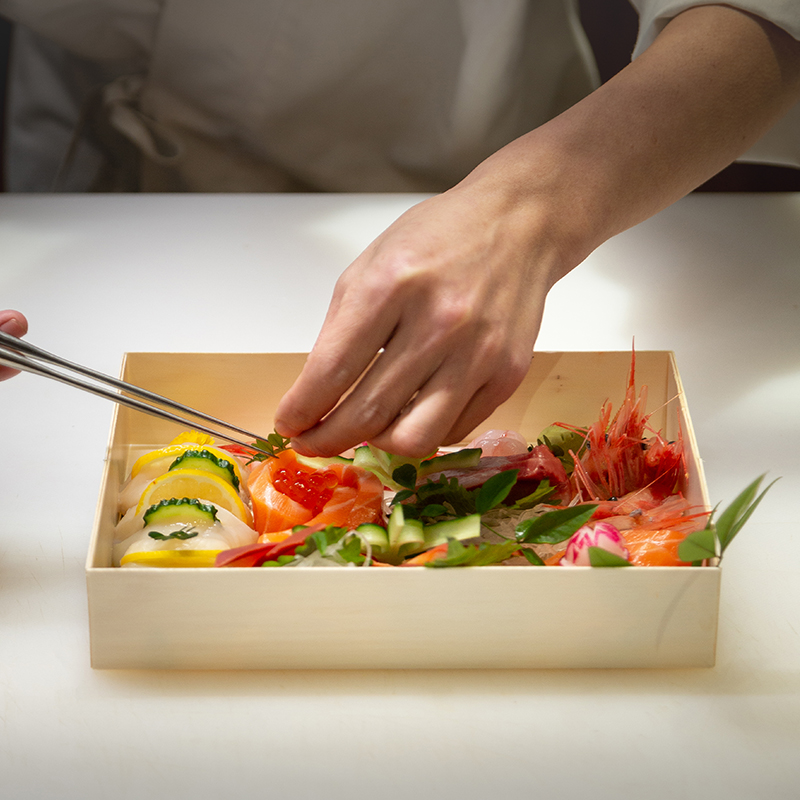
Artisanal foods, wines, and seafood brands use small wooden boxes to signal quality and protect products in transit.
- Ideal for tasting sets and seasonal gifts
- Higher shelf impact than cardboard
- Reusable at home, adding brand recall
2. Gifting, events, and hospitality
Hotels, wedding planners, and corporate clients choose wooden boxes for welcome kits and event favors, replacing plastic and cheap paper boxes.
- Easy logo printing and laser engraving
- Supports “unboxing” experience for social media
- Pairs well with items like Bamboo fruit sticks-flamingo and mini snacks
3. E‑commerce and subscription boxes
Subscription brands use small wooden boxes to reduce damage and stand out in crowded online marketplaces.
| Use Case | Benefit |
|---|---|
| Beauty samples | Premium, gift‑ready look |
| Tea and spices | Moisture protection |
| Jewelry | Secure display and storage |
4. Specialized seafood and gourmet applications
Oyster, caviar, and fine seafood brands adopt robust wood packaging for hygiene, stacking strength, and storytelling.
- Classic wooden Oyster Box formats support cold-chain handling
- Natural look supports “fresh from the sea” image
- Works well for restaurants and retail counters
🌱 Sustainability trends shaping eco-friendly small wooden box designs
In 2026, eco rules and consumer values will push brands to switch from plastic to certified wood, bamboo, and other renewable materials for small boxes.
Designers will favor recyclable finishes, low‑ink printing, and flat‑packed solutions that cut shipping emissions and warehouse space.
1. Certified and traceable wood sources
Buyers favor FSC or PEFC‑certified wood, giving proof of legal logging and responsible forest management.
- Supports ESG and CSR reporting
- Reduces supply chain risk
- Improves trust with global retailers
2. Low‑impact finishes and inks
Water‑based coatings and soy inks replace solvent systems, lowering VOC emissions while keeping colors bright and clear.
| Finish Type | Key Benefit |
|---|---|
| Water‑based varnish | Lower odor, safer handling |
| Natural oil | Warm, matte appearance |
| UV‑cured | Fast curing, energy savings |
3. Flat‑pack and folding wooden designs
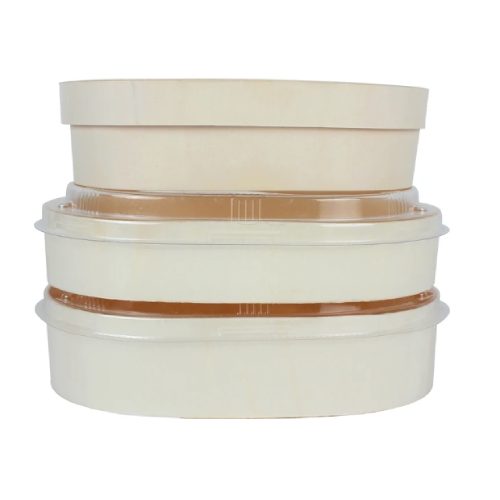
Folding structures, such as the Folding Wooden Food Box 8"x3.7"x2" with wood lid, reduce shipping volume and storage costs.
- Faster to assemble at filling lines
- Ideal for export markets
- Lowers carbon footprint per unit
4. Reuse, upcycling, and circular design
Brands design boxes to live longer as home storage, décor, or organizers, increasing brand visibility after first use.
- Clear lids for display
- Stackable formats
- Minimal branding for home reuse
🏭 Production technologies and material innovations in the 2026 wooden box market
By 2026, producers will rely on smarter machinery, modular tooling, and mixed materials to cut waste and meet rapid design changes.
Automation and digital control will help factories keep quality stable while serving both mass and niche orders.
1. CNC machining and laser cutting
High‑precision CNC routers and laser systems shape panels and joints accurately, even on small runs.
- Consistent fit of lids and bases
- Fast changeover between sizes
- Customized engraving without extra tools
2. Hybrid materials: wood, bamboo, and composites
Mixing solid wood with bamboo veneers and engineered boards keeps strength while controlling cost and weight.
| Material | Main Advantage |
|---|---|
| Solid hardwood | Premium look and feel |
| Bamboo | Fast‑growing, eco image |
| Ply / composite | Stable and cost‑effective |
3. Smart finishing and quality control
Automated spraying lines, UV ovens, and camera checks increase speed and lower defects.
- Even color across large orders
- Less manual sanding and rework
- Digital tracking of each batch
📈 Regional market growth outlook and niche applications for small wooden boxes
Growth will vary across regions, with Asia‑Pacific leading volume and Europe and North America driving premium and eco segments.
Niche uses in seafood, cosmetics, and gourmet snacks will support higher margins and design innovation.
1. Asia‑Pacific: volume and export power
China and Southeast Asia will supply most global volume, supported by strong woodworking clusters and export logistics.
| Country/Region | Key Role |
|---|---|
| China | Mass production, custom designs |
| Vietnam | Competitive labor, growing capacity |
| Indonesia | Access to wood resources |
2. Europe and North America: premium and eco focus
These markets demand certified materials, detailed branding, and short lead times for seasonal launches.
- Strong gift and gourmet sectors
- Tight rules on packaging waste
- High interest in reusable designs
3. Fast‑growing niche applications
Seafood, hotel amenities, and craft products will fuel demand for highly specialized small boxes.
- Oyster and shellfish trays
- Tea, spice, and chocolate sets
- Spa and wellness starter kits
🏆 Why Takpakwood leads the 2026 small wooden box market forecast
Takpakwood combines specialized designs, scalable production, and strong sustainability practices, positioning it as a preferred partner for global brands in 2026.
Its focus on food‑safe, eco‑friendly packaging gives customers confidence when planning long‑term product lines.
1. Deep focus on food and hospitality packaging
Takpakwood serves seafood, snacks, and hotel segments with proven structures that pass hygiene and transport tests.
- Tailored solutions for cold‑chain needs
- Attractive branding options for retail
- Support for limited‑edition campaigns
2. Flexible production for custom orders
The company can handle both small trial runs and large repeat orders without losing quality or raising lead times.
| Service | Benefit |
|---|---|
| Design support | Faster concept‑to‑market |
| Tooling expertise | Reliable fit and strength |
| Global shipping | Stable supply for buyers |
3. Commitment to sustainable materials
Takpakwood uses responsibly sourced wood, efficient cutting patterns, and eco‑friendly finishes to support client ESG goals.
- Reduced scrap and waste
- Support for certification needs
- Long‑term, low‑risk partnerships
Conclusion
The small wooden box market in 2026 will benefit from strong demand for premium, reusable, and eco‑friendly packaging across food, gifts, and e‑commerce channels.
Producers that combine certified materials, smart production, and flexible design—such as Takpakwood—will be best placed to capture growth and support global brands.
Frequently Asked Questions about small wooden box
1. What industries use small wooden boxes most in 2026?
Key users include gourmet food, seafood, wine and spirits, cosmetics, hotels, and e‑commerce brands that want stronger, more premium packaging than standard cardboard.
2. Are small wooden boxes sustainable?
Yes, when made from certified wood or bamboo with eco‑friendly finishes. They are reusable, often recyclable, and can replace plastic or mixed‑material packaging.
3. Can small wooden boxes be customized for branding?
They can feature laser engraving, color printing, branded sleeves, and custom inserts, allowing both strong shelf presence and a memorable unboxing experience.
4. Are wooden boxes safe for direct food contact?
Food‑grade small wooden boxes use safe coatings, glues, and liners. Reputable suppliers design them specifically to meet food safety and hygiene requirements.
5. How do small wooden boxes affect shipping costs?
Folding and flat‑pack designs lower volume and freight costs. While heavier than paper, they reduce damage and returns, often improving total logistics value.
Post time: 2026-04-09 04:38:05

 Privacy settings