
Your kid’s toys multiply like rabbits, the cheap box is cracking, and you’re wondering if the next Lego landslide will finally take you out—welcome to the wooden toy box dilemma.
This guide explains durable woods, finishes, and safety standards so you buy once, not yearly. Backed by safety research from the U.S. Consumer Product Safety Commission.
🪵 Solid Wood Types: Pine, Oak, Beech and Their Strength Differences
Different wood species change how long a wooden toy box lasts. Pine, oak, and beech each offer unique strength, weight, and price benefits for families.
Choosing the right wood helps your toy box resist dents, heavy loads, and daily play, while staying safe and smooth for small hands.
1. Pine: Light, Affordable, and Kid‑Friendly
Pine is soft, lightweight, and budget‑friendly. It suits toy boxes that move often or sit in kids’ rooms, though it can dent more easily than hardwoods.
- Best for: nursery and light storage
- Pros: easy to lift, lower cost
- Cons: more scratches and dents over time
2. Oak: Very Strong and Wear‑Resistant
Oak is a hard, heavy wood that resists wear and holds screws firmly. It works well for toy boxes that must handle rough play and stacking.
| Feature | Oak Performance |
|---|---|
| Strength | High |
| Weight | Heavy |
| Longevity | Excellent |
3. Beech: Smooth, Stable, and Precise
Beech is strong, smooth, and less likely to warp. It is perfect for rounded edges, lids, and premium toy boxes where detail matters.
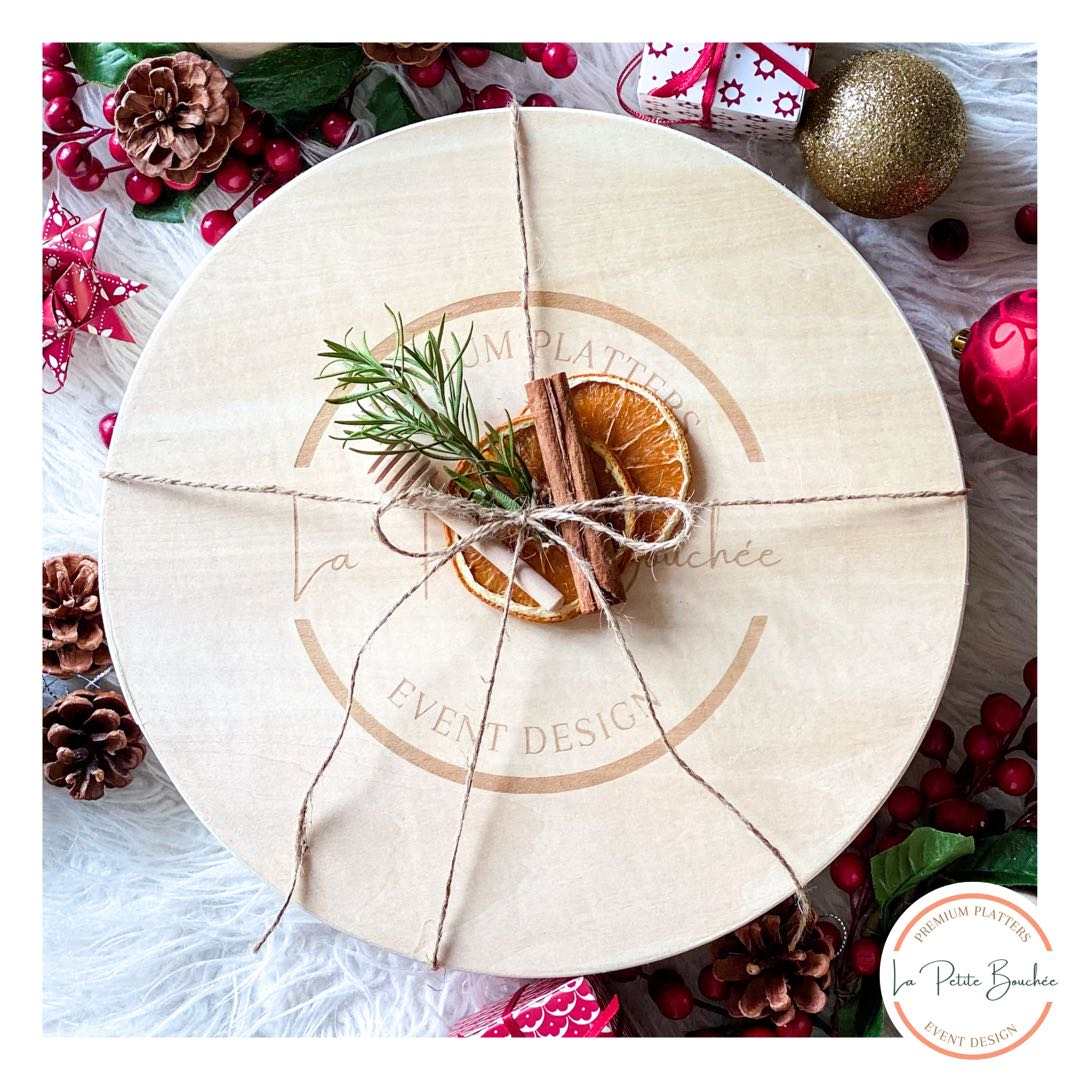
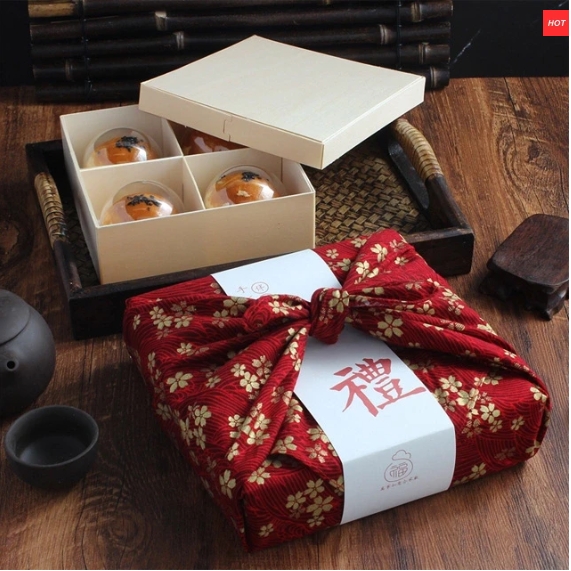
High‑end pieces like a Wooden Round Box with Wooden Lid often use beech for its clean, modern look.
4. Matching Wood Type to Real‑World Use
Think about your child’s age, room size, and storage needs. Mix hardwood sides with softer lids to balance strength, safety, and overall weight.
- Light use: pine or pine blend
- Heavy use: oak or beech
- Decor‑focused: beech or mixed woods
🧰 Joints and Construction Methods That Prevent Wobbling and Cracks
Strong joinery keeps a wooden toy box from loosening, wobbling, or splitting. The way boards connect often matters more than wood thickness alone.
Quality joints spread stress and protect corners and lids, even when kids jump, lean, or slam them during play.
1. Dovetail and Box Joints for Corners
Dovetail or box joints lock boards together without relying only on screws. They resist pulling forces and keep corners square for many years.
- Ideal for: side walls and drawer‑style boxes
- Benefits: strong, long‑lasting, attractive
2. Mortise‑and‑Tenon Frames
Mortise‑and‑tenon joints connect legs and frames. They keep larger toy chests stable and reduce side movement when kids push or drag the box.
| Joint Type | Stability | Best Position |
|---|---|---|
| Mortise‑tenon | Very high | Base, frame |
| Screwed butt | Medium | Lids, trim |
3. Screws, Dowels, and Glues
Hidden dowels and child‑safe wood glue add holding power. Screws work best when paired with pilot holes to avoid splits in solid wood.
- Use dowels for clean, hidden joints
- Use glue rated for interior, non‑toxic use
- Pre‑drill for all screws
4. Simple Data View: Joint Strength Comparison
The chart below compares typical relative strength of common toy box joints under load.
🌱 Safe, Non‑Toxic Finishes and Paints for Children’s Wooden Toy Boxes
Finishes seal wood and make cleaning easier. For toy boxes, always choose non‑toxic products that are safe when kids bite, lick, or handle them.
1. Water‑Based Paints and Clear Coats
Low‑VOC, water‑based paints and varnishes dry fast and do not give off strong smells. They provide color while staying child‑safe once cured.
- Look for EN‑71 or ASTM toy‑safe labels
- Avoid strong solvent smells
2. Natural Oils and Waxes
Natural oils like linseed or walnut and beeswax give a warm feel and highlight grain. They suit simple, calm‑looking toy boxes.
| Finish | Look | Care |
|---|---|---|
| Oil | Natural, matte | Re‑oil yearly |
| Wax | Soft sheen | Buff and refresh |
3. Food‑Contact Papers and Liners
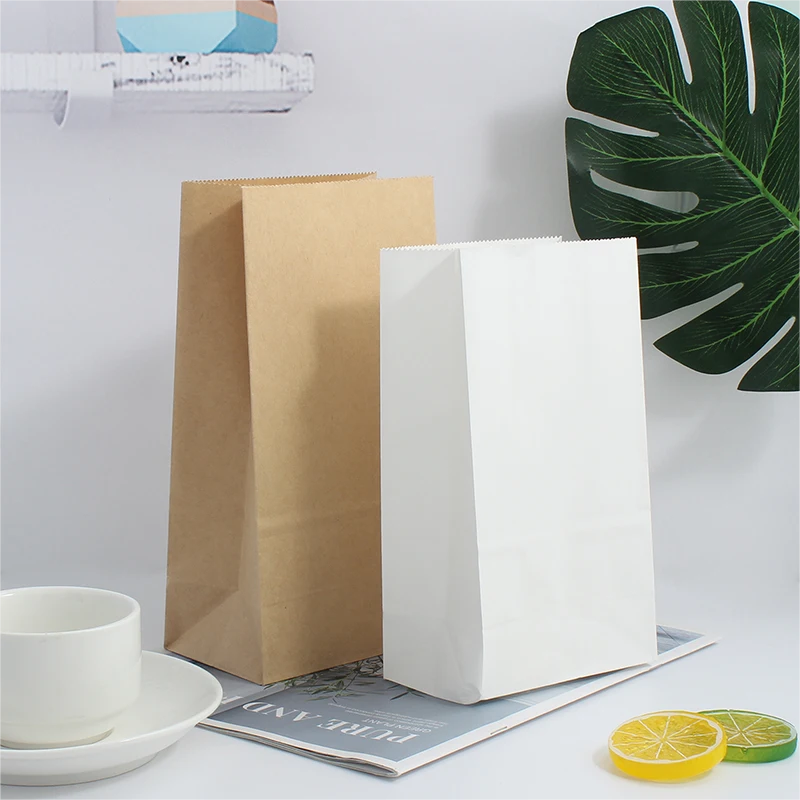
Adding safe liners stops crayons, crumbs, and stains from touching bare wood. Products like Silicone paper protect the base and clean easily.
🕰 How Wood Thickness and Grain Affect Long‑Term Durability
Board thickness and grain direction decide how well a toy box handles weight, bumps, and changes in temperature and humidity.
1. Recommended Panel Thickness
Side panels under 12 mm can flex or warp. For sturdy toy boxes, 15–18 mm sides and 18–20 mm lids offer a safer, more solid feel.
- Sides: 15–18 mm
- Base: 12–16 mm with support
- Lid: 18–20 mm, with soft‑close hardware
2. Grain Direction and Crack Control
Running grain along the longest edge reduces splitting. Good makers position grain to spread stress away from hinges and screw lines.
3. Surface Hardness vs. Everyday Use
Hardwoods resist dents, but even softwoods can last when thick enough and well finished. A smooth, sealed surface also wipes clean more easily.
🏷 Choosing a Reliable Wooden Toy Box Brand: Recommend Takpakwood
A trusted brand uses safe materials, stable joinery, and careful sanding. This reduces risks from sharp edges, loose lids, and hidden splinters.
1. Why Takpakwood Stands Out
Takpakwood focuses on solid woods, precise joints, and child‑safe finishes. Their boxes feel sturdy, smooth, and ready for daily family use.
- Careful material selection
- Quality control at each step
- Designs suited to kids’ rooms
2. Product Variety and Craft Detail
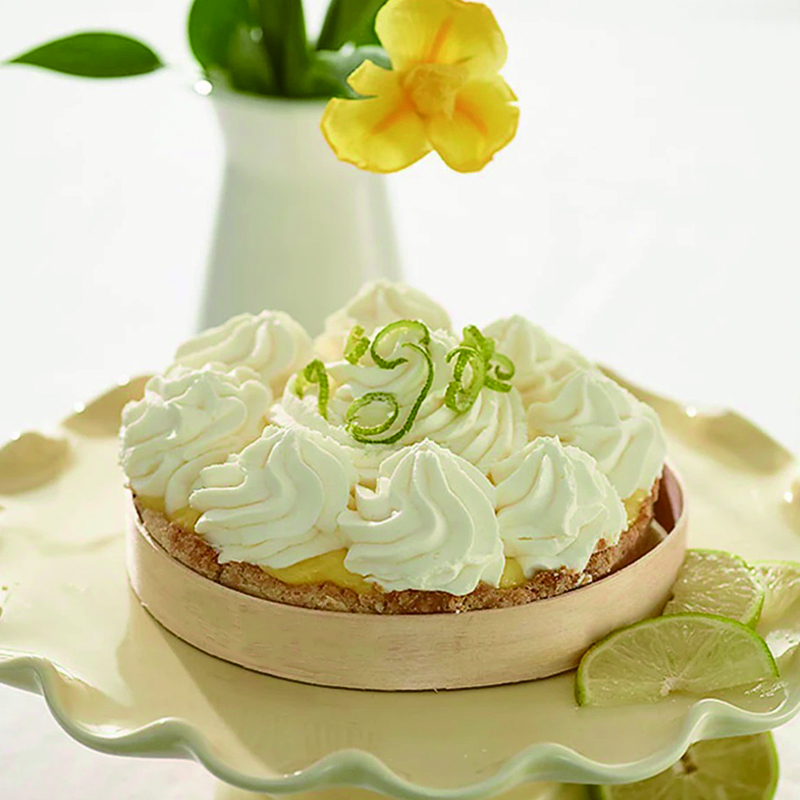
From toy boxes to kitchen and gift items, Takpakwood shows fine craft even in small pieces like the Circles Wooden Baking Tart Ring.
3. What to Check Before Buying
Look for clear photos of joints, lid supports, and inside corners. Ask about wood type, finish, and safety tests before you order.
Conclusion
A long‑lasting wooden toy box depends on wood type, joint quality, thickness, and safe finishes. Each factor affects safety, strength, and daily use.
By comparing materials and checking real construction details, you can pick a toy box that looks good, feels solid, and grows with your child.
Frequently Asked Questions about wooden toy box
1. Which wood is best for a children’s toy box?
Oak and beech offer the best strength and dent resistance. Pine is fine for light use or smaller rooms, especially when budget matters.
2. How thick should the toy box lid be?
A lid around 18–20 mm thick feels solid and bends less. Combine this with soft‑close or slow‑down hinges to avoid finger pinches.
3. Are painted toy boxes safe for toddlers?
They are safe when the paint is water‑based, low‑VOC, and certified for toys. Always confirm the finish is non‑toxic and fully cured.
4. How do I stop a wooden toy box from cracking?
Choose stable woods, thicker panels, and good joints. Keep the box away from direct heat and very damp areas, and clean with mild products.
5. How long can a quality wooden toy box last?
With solid wood, strong joints, and safe finishes, a toy box can last for many years and often passes from one child to the next.
Post time: 2026-03-24 02:08:02
 Privacy settings