
Choosing which little wooden boxes to stock in 2026 feels like betting your budget on adorable splinters—too rustic, they don’t sell; too fancy, they just admire each other on the shelf.
Use demand forecasts and price trends from the McKinsey retail outlook to pick box sizes, finishes, and price points that actually move, then test small batches before going all in.
• 📊 Global demand trends for handcrafted little wooden boxes in 2026
In 2026, demand for handcrafted little wooden boxes is set to rise as brands seek premium, natural packaging and consumers favor reusable gift and food containers.
Growth will be fastest in food service, cosmetics, and gifting, with small-batch producers and global brands turning to wood for a warm, sustainable look.
1. Regional growth hotspots
Asia-Pacific and North America lead growth, followed by Europe, driven by eco rules and higher spending on premium packaging and tableware.
- Strong demand from restaurants and cafes
- Rising interest in artisanal home décor
- Export orders for branded gift sets
2. Key application segments
Food packaging, retail display, and gift boxes dominate the market in 2026, with custom logo printing and unique shapes adding extra value.
- Take-out and dine-in food presentation
- Jewelry and craft storage boxes
- Corporate and seasonal gift packaging
3. Product types gaining attention
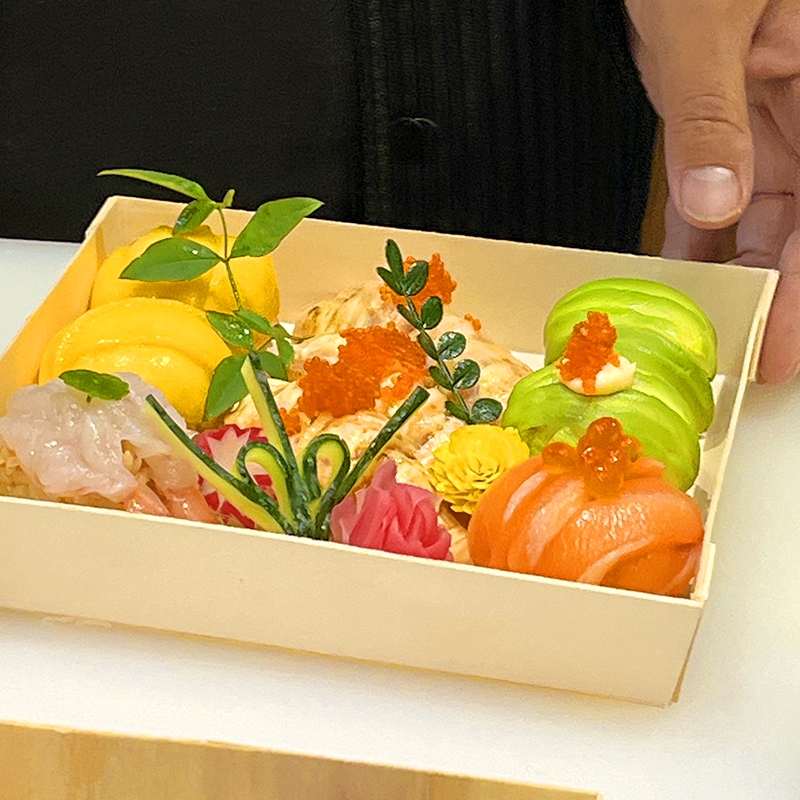
Compact food boxes, including the Wooden Sushi box, and round bento formats attract strong interest from restaurants and premium retailers.
| Type | Main Use |
|---|---|
| Flat-lid sushi boxes | Take-out and delivery |
| Round bento boxes | Dine-in and gifting |
4. E-commerce and customization
Online sellers boost demand through personalized engraving, mixed-size sets, and fast delivery, making it easier for small brands to test new box designs.
- Low minimum order quantities
- Engraved logos and messages
- Seasonal color wraps and sleeves
• 🌱 Sustainability and eco-friendly materials shaping wooden box production
In 2026, eco-friendly sourcing, low-waste cutting, and plastic reduction guide how factories design and produce small wooden boxes worldwide.
Buyers want clear proof of legal wood, safe finishes, and packaging that supports recycling and reuse without raising costs too sharply.
1. Certified wood and traceability
Producers increasingly rely on certified forests and clear chain-of-custody documents to win large retail and food service contracts in strict markets.
| Certification | Buyer Benefit |
|---|---|
| FSC / PEFC | Trusted legal sourcing |
| Food-grade tests | Safe for direct food contact |
2. Lower-carbon production methods
Factories adopt energy‑saving kilns, optimize cutting patterns, and reuse offcuts for fillers or pallets, reducing both emissions and material waste.
3. Hybrid materials and smart lids
Items like the Round Wooden Bento box 6"x1.8" with PET Lid show how clear tops reduce full-plastic trays while keeping food visible.
- Less plastic than full PET containers
- Reusable wooden bases
- Appealing shelf presentation
4. Non-toxic finishes and glues
Manufacturers focus on water-based coatings, low‑VOC glues, and food-safe inks to meet strict rules without losing natural wood feel.
- Odor-free interior surfaces
- Better worker health in factories
- Safer contact with unpacked food
• 🛠 Design innovation and craftsmanship techniques redefining box aesthetics
In 2026, brands mix precise machining with hand finishing to create small wooden boxes that look refined, stack well, and stay cost-effective.
1. Modern minimal shapes
Slim walls, smooth corners, and hidden joints give boxes a clean, modern look that suits sushi, desserts, and cosmetics equally well.
- Flush-fit lids
- Soft-touch sanding
- Neutral wood tones
2. Stackability and portion control
Designers create stable, stackable forms like the Round Wooden Bento box 6"x2.4" with Wood Lid to help kitchens manage portions and storage.
| Feature | Benefit |
|---|---|
| Standard diameters | Easy stacking |
| Fixed depth options | Consistent serving sizes |
3. Branding through texture and grain
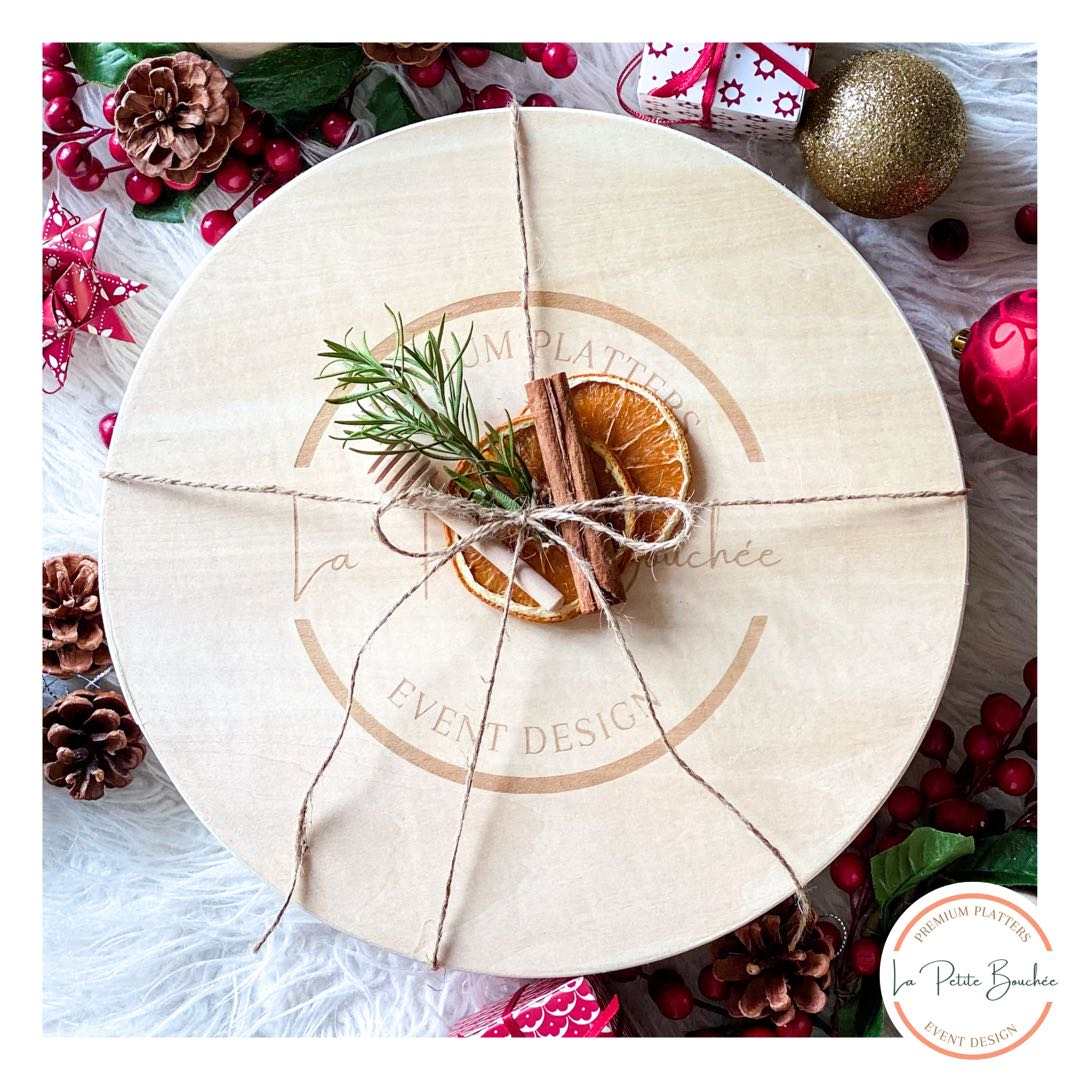
Producers use selective sanding, laser marking, and oil finishes to highlight grain patterns, giving each box a unique, premium character.
- Laser-etched logos
- Natural grain emphasis
- Spot-color banding or sleeves
• 🚚 Supply chain, logistics, and cost pressures in the wooden box industry
Rising freight costs, tight labor markets, and shifting wood prices push makers to plan capacity and sourcing more carefully in 2026.
1. Wood price volatility
Softwood and hardwood prices remain sensitive to weather, policy, and construction demand, forcing producers to secure long-term supply contracts.
- Diversified forest regions
- Mixed-species product lines
- Closer inventory tracking
2. Freight and lead-time management
Manufacturers shorten lead times by combining sea and rail, optimizing carton sizes, and building safety stocks near large customer clusters.
| Action | Impact |
|---|---|
| Optimized packing | Lower unit freight cost |
| Regional hubs | Faster delivery |
3. Automation with skilled oversight
Basic tasks move to CNC and simple robots, while skilled workers handle shaping, inspection, and custom work to keep quality high.
- Stable sizing and fit
- Lower defect rates
- Flexible small-batch runs
• 🧰 Why Takpakwood stands out for reliable, high-quality little wooden boxes
Takpakwood combines efficient production, skilled finishing, and food-safe materials to deliver consistent small wooden boxes that meet global packaging standards.
1. Focus on food-safe, practical designs
The company builds boxes for real kitchens and retailers, balancing visual appeal with stacking strength, easy handling, and portion accuracy.
- Food-grade testing
- Ergonomic shapes
- Heat and moisture awareness
2. Flexible customization options
Takpakwood supports logo printing, laser engraving, sleeve design, and tailored sizes, helping brands stand out without rebuilding full packaging systems.
| Service | Use Case |
|---|---|
| Logo engraving | Brand recall |
| Custom depths | New menu items |
3. Reliable global supply support
With strict quality checks and export experience, Takpakwood ships stable, repeatable batches, reducing the risk of delays or surprise quality shifts.
- Standard QC reports
- Clear packing lists
- Support for repeat reorders
Conclusion
In 2026, little wooden boxes sit at the crossroads of design, function, and sustainability, serving food, retail, and gifting brands worldwide.
Producers that control wood sources, automate smartly, and refine craftsmanship, like Takpakwood, are best positioned to meet rising global expectations.
Frequently Asked Questions about little wooden boxes
1. Are little wooden boxes safe for direct food contact?
Yes, when producers use food-grade coatings, low‑VOC glues, and tested finishes. Always request test reports if the box will touch unpacked food.
2. Can wooden boxes be reused by customers?
Most small wooden boxes can be reused for storage or décor if kept dry and clean, which also supports brand visibility and sustainability goals.
3. How do wooden boxes compare to plastic in cost?
Unit costs can be higher than basic plastic, but they add premium value, improve presentation, and often support higher menu or product pricing.
4. What customization options are most popular?
Common options include engraved logos, custom depths, branded sleeves, and mixed-size sets designed for tasting menus, gift collections, or seasonal lines.
Post time: 2026-04-17 05:21:03
 Privacy settings