
Introduction: Importance of Green Packaging
In an age where environmental sustainability has become paramount, the significance of green packaging cannot be overstated. The global community is increasingly aware of the environmental impact of conventional packaging materials, particularly plastics. As a result, the demand for sustainable, eco-friendly packaging solutions has surged. The adoption of green packaging is not merely a trend but a necessity for businesses looking to minimize their ecological footprint and cater to conscious consumers. This article delves into the various facets of eco-friendly packaging, exploring what constitutes the greenest packaging, its implications, and the future it holds.
Types of Green Packaging Materials
● Compostable Materials: PLA, Cellulose
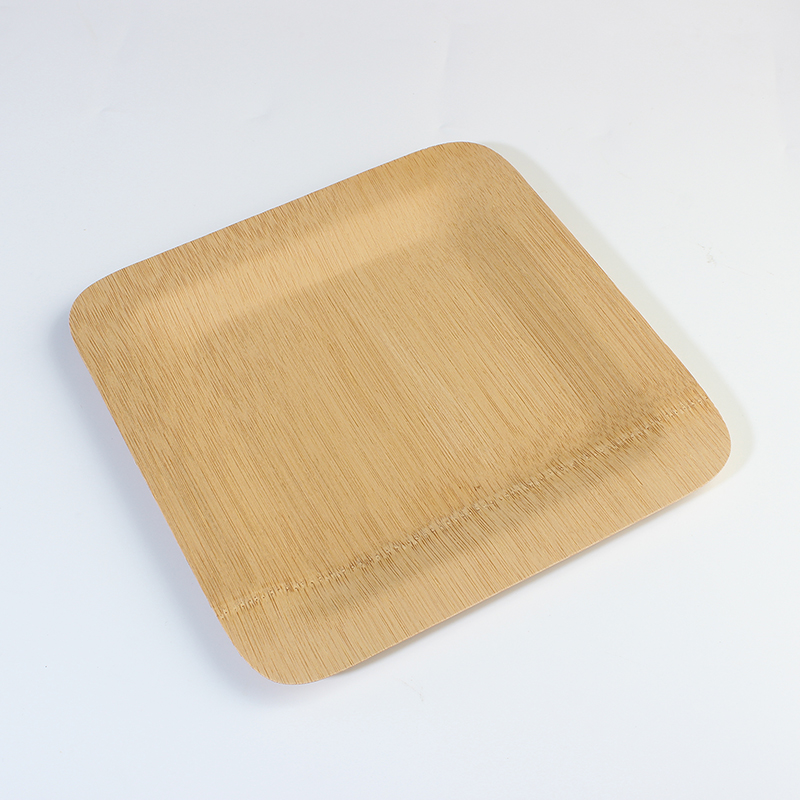
Compostable packaging materials are gaining traction due to their ability to break down into natural components that can enrich the soil. Polylactic Acid (PLA) and cellulose are popular choices. PLA, derived from corn starch, is extensively used in food packaging. It is compostable both industrially and domestically, making it an attractive option for eco-friendly food packaging suppliers. Cellulose, derived from plant fibers, is another sustainable material used in everything from clear films to laminate packaging. Both materials offer a viable alternative to traditional plastics, without compromising on the functional requirements of packaging.
● Recyclable Materials: PET, HDPE, Paper, Cardboard
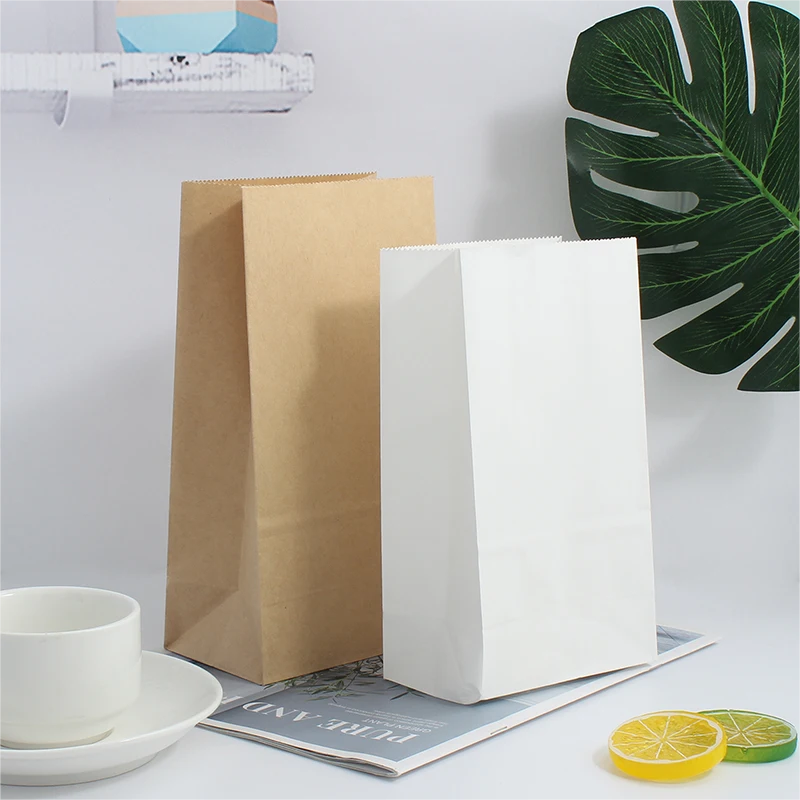
Recyclable materials continue to be a staple in the realm of sustainable packaging. Polyethylene Terephthalate (PET) and High-Density Polyethylene (HDPE) are widely used due to their recyclability. PET is commonly used in beverage bottles and food containers, while HDPE is found in milk jugs and detergent bottles. Paper and cardboard, long-time favorites in the packaging industry, are also highly recyclable. These materials can be reprocessed into new products, reducing the need for virgin materials and thereby conserving natural resources. For wholesale eco-friendly food packaging, these materials offer an excellent balance of sustainability and practicality.
Compostable Packaging as an Optimal Choice
● Benefits of Compostable Packaging
Compostable packaging stands out for its ability to decompose fully into nutrient-rich compost. This process not only reduces waste but also returns nutrients to the soil, enhancing its fertility. Unlike biodegradable products that may leave behind toxic residues, compostable materials break down into harmless organic matter. This makes them particularly suitable for eco-friendly food packaging manufacturers who strive to create products that are both functional and environmentally responsible.
● Comparison with Traditional Plastic
Traditional plastic packaging is notorious for its environmental impact. It takes hundreds of years to decompose, and even then, it breaks down into microplastics that contaminate soil and water. Compostable packaging, on the other hand, offers a cleaner end-of-life solution. It decomposes within a matter of months under the right conditions, leaving no harmful residue. For businesses looking to transition to green packaging, compostable materials present a compelling alternative to conventional plastics.
Green Packaging in the Food Industry
● Reduction of Food-Related Plastic Waste
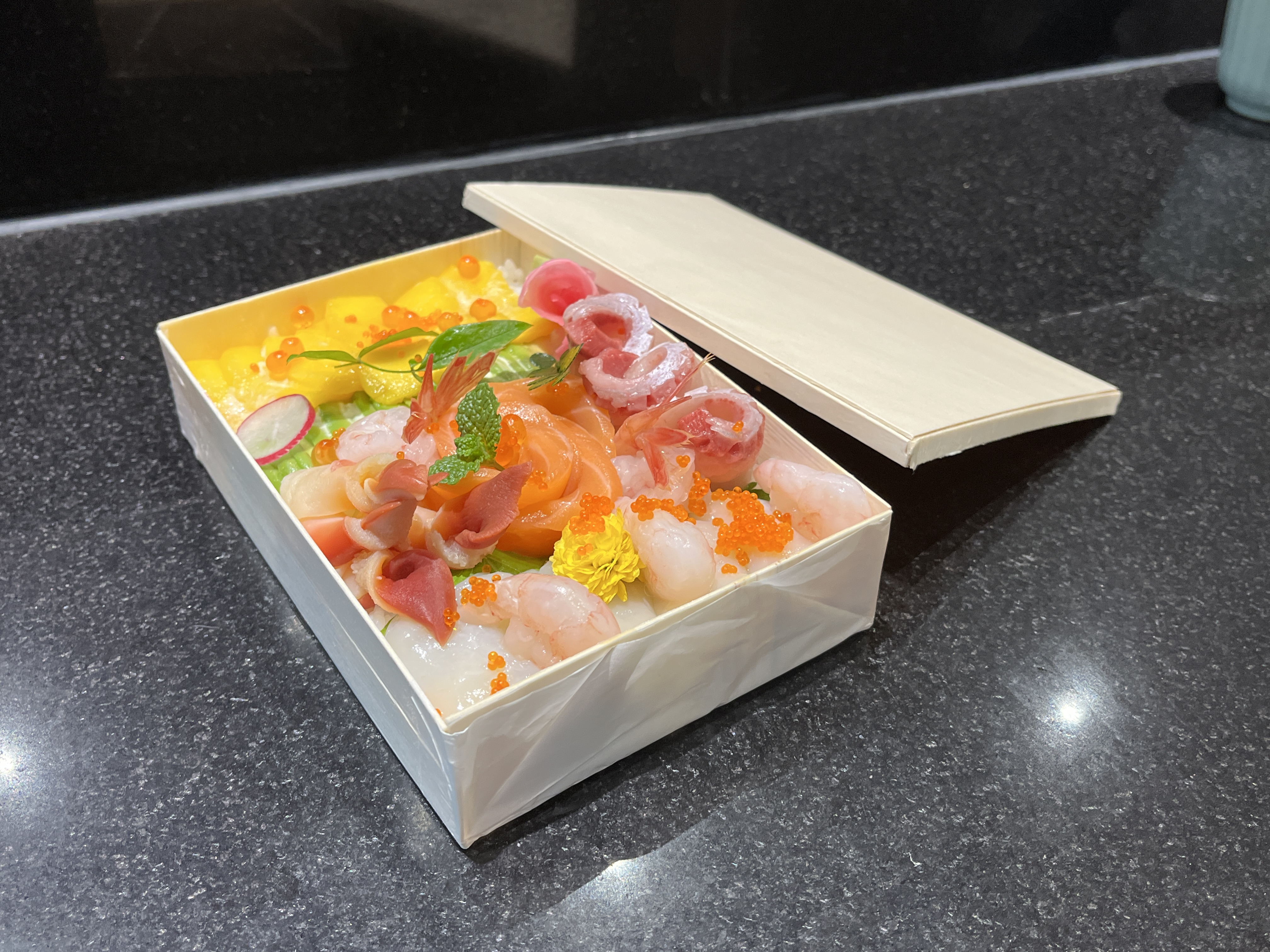
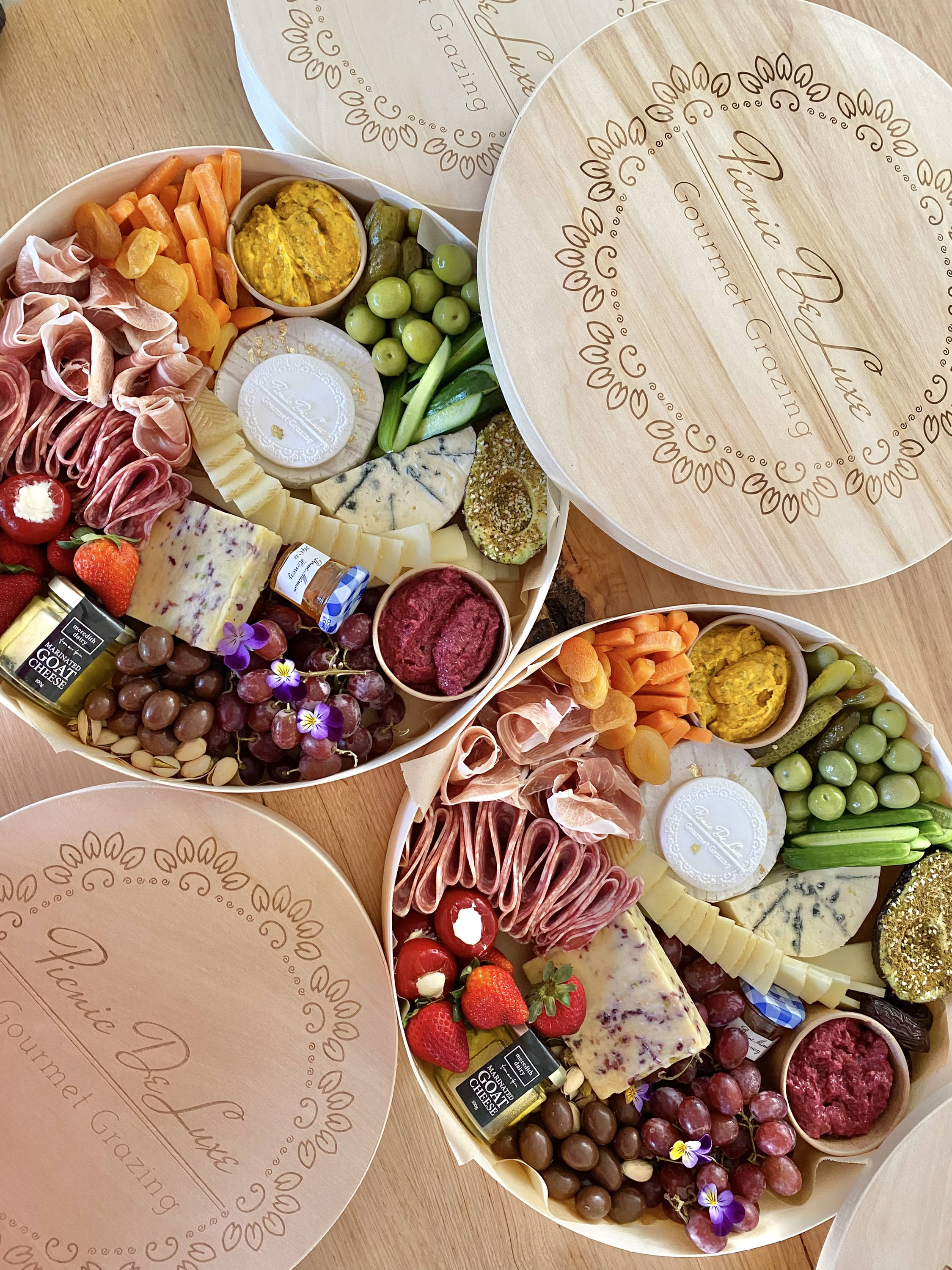
The food industry is a major contributor to plastic waste, with food packaging accounting for a significant portion of single-use plastics. Opting for eco-friendly food packaging can substantially reduce this environmental burden. Compostable and recyclable materials not only minimize waste but also extend the shelf life of perishables by providing excellent barriers against moisture and oxygen. This dual benefit makes green packaging an attractive option for both eco-friendly food packaging factories and suppliers.
● Extending Shelf Life with Sustainable Packaging
One of the critical challenges in food packaging is maintaining the freshness and safety of the product. Sustainable packaging materials like compostable films and recyclable laminates offer excellent barrier properties that help extend the shelf life of food products. These materials protect the contents from external factors such as air, moisture, and contamination, ensuring that the food remains fresh for longer. This not only reduces food waste but also meets consumer expectations for high-quality, eco-friendly packaging.
Eco-Friendly Packaging in the Fashion Industry
● Impact of Plastic Bags in Fashion
The fashion industry is another significant contributor to plastic waste, with an estimated 150 billion plastic packaging bags used annually. Most of these bags end up in landfills, contributing to environmental pollution. Consumer awareness is driving the demand for more sustainable alternatives. Eco-friendly packaging suppliers are increasingly offering compostable and recyclable options specifically designed for the fashion industry. These alternatives not only reduce waste but also align with the growing consumer demand for eco-friendly products.
● Consumer Preference for Compostable Packaging
Recent surveys indicate a strong consumer preference for compostable packaging in the fashion industry. In Italy, for instance, 86% of adults expressed concern about plastic waste from clothing packaging, and 90% preferred compostable alternatives. This consumer trend is compelling fashion brands to rethink their packaging strategies. By adopting compostable packaging, fashion companies can enhance their brand image, meet consumer expectations, and contribute to environmental sustainability.
Global Policies Promoting Green Packaging
● Government Incentives and Regulations
Governments around the world are implementing policies to encourage the adoption of sustainable packaging. Countries like Ireland, Italy, and Japan offer tax exemptions for businesses that use compostable packaging. In the UK, companies face higher taxation if their packaging contains less than 30% recycled materials. Such regulations are designed to incentivize eco-friendly practices and accelerate the shift towards sustainable packaging solutions.
● Extended Producer Responsibility (EPR) Schemes
Extended Producer Responsibility (EPR) schemes are another regulatory approach aimed at promoting sustainable packaging. EPR holds manufacturers and retailers accountable for the end-of-life management of their packaging. This includes the costs associated with recycling or disposal. By implementing EPR schemes, governments aim to reduce the environmental impact of packaging and encourage businesses to adopt greener alternatives. These measures align with global efforts to achieve a zero-waste future and mitigate the environmental damage caused by conventional packaging materials.
The Circular Economy and Sustainable Packaging
● Concept of Circular Economy
The concept of a circular economy is central to sustainable packaging. Unlike the traditional linear economy, which follows a take-make-dispose model, a circular economy focuses on keeping materials in use for as long as possible. This involves reusing, repairing, refurbishing, and recycling products and materials. Sustainable packaging plays a crucial role in this model by minimizing waste and conserving resources. It aims to create a closed-loop system where materials are continuously cycled back into the production process, reducing the need for virgin resources.
● Role of Sustainable Packaging in Resource Conservation
Sustainable packaging is essential for conserving natural resources. By using materials that can be composted or recycled, businesses can significantly reduce their reliance on virgin resources. This not only conserves raw materials like oil and wood but also reduces the energy and water required for production. For eco-friendly food packaging suppliers, adopting sustainable practices is a strategic move that aligns with global environmental goals and meets consumer demands for greener products. By incorporating sustainable packaging into their operations, companies can contribute to a more sustainable future while maintaining their competitive edge.
Compostable vs Recyclable Packaging
● Benefits and Limitations
Both compostable and recyclable packaging offer environmental benefits, but they come with their own sets of limitations. Compostable packaging decomposes into organic matter, enriching the soil and leaving no toxic residue. However, it requires specific conditions to break down effectively, such as the presence of microorganisms, heat, and moisture. Recyclable packaging, on the other hand, can be processed into new products, reducing the need for virgin materials. However, the recycling process is energy-intensive and often results in downcycling, where the material is converted into a lower-quality product. For businesses, the choice between compostable and recyclable packaging depends on various factors, including the type of product, the packaging requirements, and the available recycling infrastructure.
● Environmental and Economic Impacts
When evaluating the environmental and economic impacts of compostable versus recyclable packaging, it’s essential to consider the entire lifecycle of the material. Compostable packaging offers significant environmental benefits as it reduces waste and returns nutrients to the soil. Economically, it can lead to cost savings in waste management and disposal. Recyclable packaging, while beneficial in reducing the need for virgin materials, involves higher energy and resource consumption during the recycling process. Additionally, the financial feasibility of recycling depends on the market demand for recycled materials. For wholesale eco-friendly food packaging, a balanced approach that combines both compostable and recyclable options may offer the most sustainable and economically viable solution.
Future of Sustainable Packaging
● Emerging Technologies and Innovations
The future of sustainable packaging lies in the continuous development of new technologies and innovative materials. Advances in bioplastics, edible packaging, and smart packaging solutions are paving the way for more sustainable options. Bioplastics, derived from renewable resources like plants and algae, are being developed to offer the same functionality as conventional plastics without the environmental impact. Edible packaging, made from food-grade materials like seaweed and rice, provides a zero-waste solution. Smart packaging technologies, which incorporate sensors and indicators, help monitor the freshness and safety of the product, reducing food waste. These innovations are set to revolutionize the packaging industry and offer new opportunities for eco-friendly food packaging factories.
● Strategic Importance for Businesses
For businesses, adopting sustainable packaging is not just an environmental responsibility but a strategic necessity. As consumer demand for eco-friendly products continues to grow, companies that embrace green packaging will gain a competitive advantage. Sustainable packaging enhances brand image, meets regulatory requirements, and aligns with global sustainability goals. Moreover, it can lead to cost savings in the long run by reducing waste management and disposal costs. For eco-friendly food packaging manufacturers, investing in sustainable packaging solutions is a forward-thinking strategy that positions them as leaders in the industry and aligns with the broader push towards a more sustainable future.
Conclusion
The quest for the greenest packaging is a multifaceted journey that involves understanding the various materials, their benefits, and their limitations. Compostable and recyclable packaging materials each offer unique advantages, and their adoption depends on the specific needs and constraints of different industries. The food, fashion, and cannabis industries are all making strides towards more sustainable packaging solutions, driven by consumer demand and regulatory pressure. As global policies continue to promote green packaging and new technologies emerge, the future looks promising for sustainable packaging. Businesses that embrace these changes will not only contribute to a healthier planet but also gain a strategic edge in an increasingly eco-conscious market.
Company Profile: Takpakwood
Suqian DAGOUXIANG Trading Co., LTD. is a reputable company specialized in the distribution and manufacture of packaging solutions. We are a subsidiary of Suqian Green Wooden Products Co., Ltd., a well-known business that has been in the industry since 2002. Our parent company is a leader in the R&D, production, and sales of wooden food packaging in China. Building on the success of our parent company, Suqian DAGOUXIANG Trading Co., LTD. has expanded its trading business to include paper, plastic, bamboo, sugarcane pulp, and ceramic packaging. We are proud to offer a full range of packaging solutions to meet our customers' specific needs.
Post time: 2024-07-26 11:22:13



 Privacy settings