
Introduction to bagasse plates: A Sustainable Choice
In the battle against environmental degradation, the spotlight is increasingly being cast on single-use products and their ecological impact. Bagasse plates have emerged as a powerful ally in the quest for sustainability. Derived from the fibrous remnants of sugarcane after juice extraction, these plates offer a compelling alternative to conventional disposable dining ware. As we delve into the world of bagasse plates, we explore their origins, sustainable benefits, and transformative potential in redefining modern dining practices.
● The Origins of Bagasse Plates
Bagasse, once considered a mere by-product of the sugarcane industry, has found a new lease on life as a key resource in eco-friendly dining solutions. This fibrous residue, traditionally destined for disposal, is now being repurposed into durable, versatile, and environmentally responsible plates. This clever utilization of waste not only minimizes environmental impact but also supports a circular economy by turning what was once discarded into valuable dining products.
● Sustainability in Every Plate
The sustainability credentials of bagasse plates stem from their renewable and biodegradable nature. Unlike their plastic counterparts, which can take centuries to degrade, bagasse plates decompose within months, leaving no toxic residue behind. As the food industry grapples with its environmental responsibilities, these plates provide a practical means to reduce waste while enhancing the quality of dining experiences.
Environmental Benefits of Using Bagasse Plates
The environmental advantages of using bagasse plates are multifaceted, touching upon critical areas such as waste reduction, carbon emissions, and ecological balance.
● Reduction in Waste
Every year, millions of tons of plastic waste inundate our planet, wreaking havoc on wildlife and ecosystems. Bagasse plates offer an eco-friendly alternative, significantly curtailing the volume of waste generated by traditional disposable dining ware. By utilizing a waste product from another industry, bagasse plates align with sustainable practices that champion resource conservation and waste minimization.
● Lower Carbon Emissions
The production of bagasse plates generally involves fewer carbon emissions compared to plastic and paper plates. The manufacturing process taps into a renewable resource, mitigating reliance on fossil fuels and reducing the carbon footprint associated with traditional plate production. As global efforts to combat climate change intensify, bagasse plates represent a step in the right direction.
● Biodegradability and Compostability
One of the standout features of bagasse plates is their ability to break down naturally in composting conditions. This biodegradability ensures that they do not contribute to landfill waste, instead enriching the soil as they decompose. The compostability of bagasse plates enhances their appeal for environmentally conscious consumers and provides a cornerstone for sustainable waste management practices.
The Production Process of Bagasse Plates
Understanding the production process of bagasse plates sheds light on their sustainable nature and environmental benefits.
● From Sugarcane Residue to Plates
The journey of bagasse plates begins with the extraction of sugarcane juice, leaving behind a fibrous residue. This bagasse is then cleaned, pulped, and molded into plates using specialized equipment. The production process is designed to be energy-efficient and streamlined, ensuring that the plates retain their natural integrity while minimizing environmental impact.
● Emphasizing Renewable Resources
Bagasse plates are a testament to the power of renewable resources. By capitalizing on a by-product of the sugarcane industry, manufacturers reduce reliance on finite and environmentally harmful materials. This commitment to renewable resources not only underscores the plates’ sustainability but also highlights their role in fostering a more responsible approach to resource utilization.
● Absence of Harmful Chemicals
Unlike some disposable alternatives, bagasse plates are free from harmful chemicals, including toxins and plasticizers. This ensures that they are safe for both consumers and the environment, without compromising on quality or performance. As consumers increasingly prioritize health and sustainability, the chemical-free composition of bagasse plates makes them an attractive choice for eco-friendly dining.
Comparing Bagasse Plates to Traditional Alternatives
As the market for disposable tableware evolves, comparing bagasse plates to traditional alternatives underscores their unique advantages and growing appeal.
● Contrast with Plastic and Paper Plates
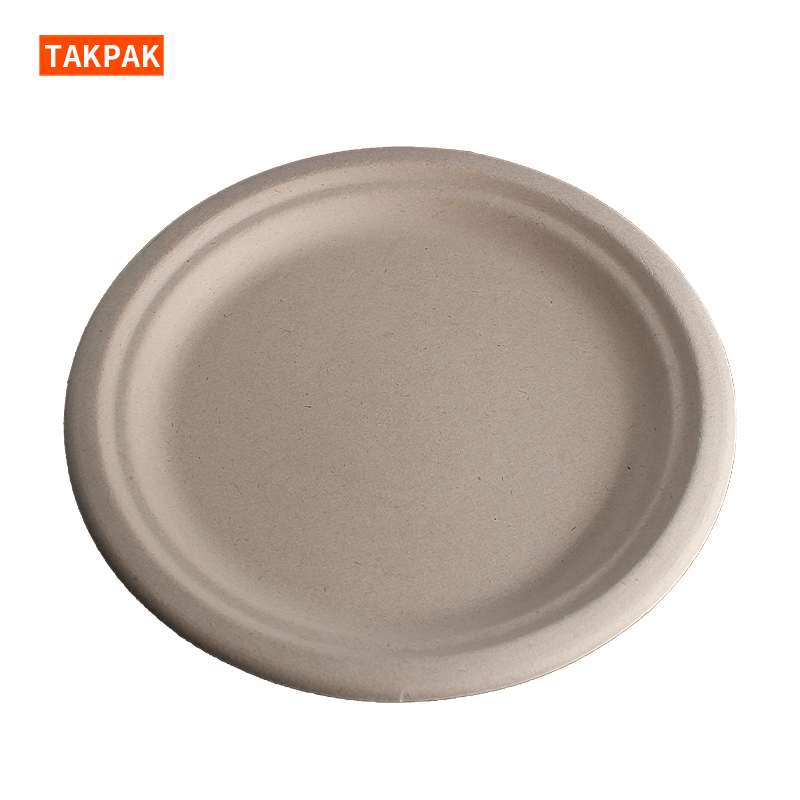
Bagasse plates distinguish themselves from plastic and paper plates through their environmental credentials. Plastic plates, notorious for their longevity in landfills, pose significant ecological risks. Meanwhile, traditional paper plates often require chemical coatings, rendering them less than ideal for composting. In contrast, bagasse plates offer a sustainable blend of durability and ease of disposal.
● Environmental Impact Differences
The ecological impact of bagasse plates is markedly lower than that of conventional disposable plates. Plastic plates contribute to pollution and resource depletion, while paper plates can necessitate deforestation. Bagasse plates, however, leverage an existing by-product, minimizing additional environmental strain and offering a practical solution for eco-conscious consumers.
● Durability and Versatility
In terms of performance, bagasse plates offer a robust alternative to traditional options. They are microwave-safe, waterproof, and oil-resistant, capable of accommodating a variety of foods without compromising structural integrity. This versatility makes them suitable for both hot and cold items, setting them apart as a dependable choice for catering diverse culinary needs.
Versatile Applications in Dining and Catering
The adaptability of bagasse plates extends beyond their environmental benefits, providing practical solutions for various dining and catering scenarios.
● Settings Where Bagasse Plates Excel
Whether it’s an intimate family picnic or a large-scale catering event, bagasse plates shine across diverse dining settings. Their sturdy construction ensures they can withstand the demands of outdoor gatherings, while their aesthetic appeal elevates formal dining experiences. As more consumers and businesses embrace sustainable practices, bagasse plates are finding favor in an array of contexts.
● Suitability for Hot and Cold Foods
One of the key strengths of bagasse plates is their ability to handle both hot and cold foods with ease. Unlike many disposable alternatives, they can endure microwave heating and refrigeration, making them a versatile addition to any dining toolkit. This adaptability enhances their practicality, allowing consumers to enjoy a seamless dining experience irrespective of the menu.
● Highlighting Use in Casual and Formal Dining Events
Bagasse plates have transcended their initial role as a casual dining solution, finding acceptance in formal events and upscale catering. Their elegant appearance and eco-friendly nature resonate with guests seeking sustainable dining options. By integrating bagasse plates into event settings, hosts and caterers can underscore their commitment to environmental responsibility while maintaining aesthetic standards.
Cost-Effectiveness of Bagasse Plates for Consumers
While sustainability is a significant driving factor, the cost-effectiveness of bagasse plates adds an additional layer of appeal for consumers.
● Pricing in Comparison to Traditional Options
Bagasse plates are competitively priced in comparison to traditional disposable plates, offering value without compromising on quality. As economies of scale continue to improve, the cost differential between bagasse and conventional options is expected to narrow further, encouraging wider adoption among budget-conscious consumers.
● Economic Sustainability
In addition to their ecological benefits, bagasse plates contribute to economic sustainability by extending the lifecycle of sugarcane by-products. Through a circular economy model, these plates create value from waste, providing economic opportunities across the supply chain—from production to end-use.
● Cost Versus Environmental Benefit
For many consumers, the decision to switch to bagasse plates hinges on the balance between cost and environmental impact. While the initial investment may be comparable to traditional options, the long-term benefits of reducing waste and curtailing environmental harm present compelling reasons to embrace these sustainable alternatives.
Consumer Trends Towards Eco-Friendly Dining
The rise of eco-friendly dining is shaping consumer trends and influencing purchasing decisions across the global market.
● Market Trends Supporting Sustainable Products
As environmental awareness increases, consumers are gravitating towards products that align with their values. Sustainable dining products, including bagasse plates, are experiencing a surge in popularity as buyers look to reduce their ecological footprint. This shift is driving innovation and growth, transforming the dining landscape with eco-conscious options.
● Consumer Preference for Green Alternatives
The demand for green alternatives is becoming more pronounced as consumers seek to make responsible choices. Bagasse plates, with their biodegradable properties and natural composition, appeal to individuals and businesses aiming to align their purchasing habits with environmental stewardship.
● Growing Demand for Bagasse Plates
The growing demand for bagasse plates is indicative of a broader movement towards sustainable consumption. As awareness of the environmental cost of traditional disposables increases, more individuals and organizations are choosing bagasse plates as a viable and effective solution.
Challenges and Solutions in Bagasse Plate Adoption
Despite their numerous advantages, bagasse plates face certain challenges in widespread adoption, which can be mitigated with strategic solutions.
● Identifying Potential Barriers to Widespread Use
Barriers to the adoption of bagasse plates include cost perceptions, supply chain logistics, and consumer education. Addressing these obstacles requires concerted efforts from manufacturers, suppliers, and consumers alike to promote the benefits and feasibility of bagasse plates.
● Solutions and Incentives for Adoption
Incentives such as subsidies, bulk pricing, and awareness campaigns can facilitate the transition to bagasse plates. Collaboration across the supply chain can enhance distribution networks, making it easier for consumers to access these sustainable products at competitive prices.
● Highlighting Initiatives Promoting Sustainable Products
Several initiatives are in place to promote the use of sustainable products, including bagasse plates. Industry partnerships, certifications, and educational programs are raising awareness and driving change, paving the way for more widespread adoption of environmentally responsible dining solutions.
Future of Bagasse Plates in the Food Industry
The future of bagasse plates in the food industry looks promising, driven by innovation and growing environmental consciousness.
● Speculating on Continued Innovations
Continued innovations in material science and production processes are likely to enhance the features and accessibility of bagasse plates. Advances in manufacturing techniques could result in stronger, more versatile plates that meet the evolving needs of the food industry.
● Discussing Potential Market Growth
As environmental considerations gain prominence, the market for bagasse plates is poised for expansion. This growth presents opportunities for bagasse plates manufacturers, suppliers, and consumers to collaborate in fostering a greener, more sustainable dining culture.
● Exploring Advancements in Production Technology
Emerging technologies in production are set to streamline the manufacturing of bagasse plates, reducing costs and improving efficiency. As these advancements take hold, they will support increased production capacity and broaden the reach of bagasse plates in global markets.
Conclusion: Choosing Bagasse Plates for a Greener Future
In conclusion, bagasse plates symbolize a pivotal shift towards sustainable dining practices. By reducing waste and offering a viable alternative to traditional disposable options, they empower consumers to make informed, eco-friendly choices. Embracing bagasse plates not only elevates dining experiences but also champions a greener, more responsible future.
About Takpakwood
Takpakwood is a vital player in the distribution and manufacture of packaging solutions, specializing in eco-friendly options. As a subsidiary of Suqian Green Wooden Products Co., Ltd., a leader in China's packaging industry, Takpakwood offers innovative and sustainable packaging ranging from paper to sugarcane pulp. Their commitment to customer satisfaction and environmental stewardship makes them a trusted partner in the quest for sustainable packaging solutions.
Post time: 2025-01-10 12:17:04



 Privacy settings