
Packaging sushi presents a unique set of challenges and opportunities for culinary professionals, food retailers, and home cooks alike. In this comprehensive guide, we will explore the best methods for packaging sushi to ensure it remains fresh, safe, and aesthetically pleasing. We will also highlight the importance of using high-quality materials and proper techniques. Let's dive into the intricacies of sushi packaging.
Introduction to Sushi Packaging
● Overview of Packaging Importance
Packaging plays a crucial role in maintaining the quality, freshness, and safety of sushi. Given its delicate nature and the use of raw or cooked seafood, proper packaging not only preserves the taste and texture but also prevents contamination and spoilage. Whether you're a restaurant owner, caterer, or a sushi enthusiast making sushi at home, understanding the essentials of packaging is vital.
● Types of Sushi That Need Packaging
Sushi comes in various forms, including nigiri, maki, sashimi, and temaki, each requiring specific packaging methods. Raw sushi, such as sashimi and nigiri, needs more stringent packaging to prevent spoilage, while cooked sushi can be relatively easier to manage. The key is to identify the type of sushi and tailor the packaging method accordingly.
Materials for Wrapping Sushi
● Plastic Food Wrap and Cling Film
Plastic food wrap and cling film are popular choices for wrapping sushi due to their flexibility and ability to create a tight seal. These materials prevent air exposure, which can lead to dryness and contamination. When wrapping sushi, ensure that each piece is individually wrapped to maintain its shape and freshness.
● Aluminum Foil Options
Aluminum foil serves as an excellent alternative for sushi packaging, especially for cooked varieties. It provides a sturdy barrier against moisture and air, keeping the sushi fresh for an extended period. However, it is essential to ensure that the foil is wrapped tightly to prevent any air pockets that might lead to spoilage.
Using Air-tight Containers for Sushi
● Benefits of Air-tight Containers
Air-tight containers are indispensable for sushi packaging. They provide a controlled environment that minimizes air exposure, slows down bacterial growth, and keeps the sushi moist. Air-tight containers are particularly beneficial for store-bought sushi or when you need to transport sushi.
● Recommended Container Types
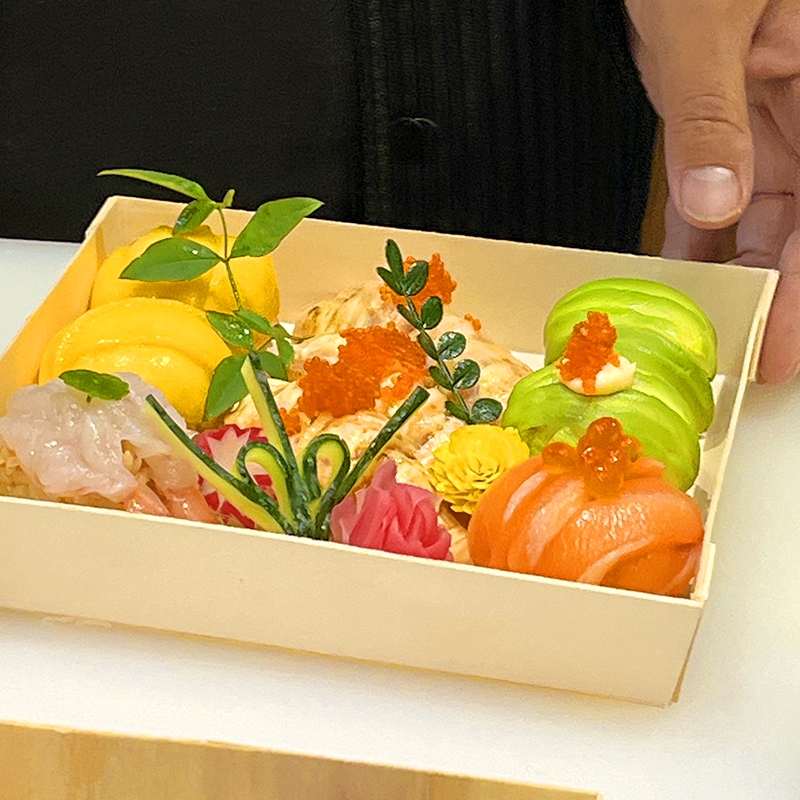
Several types of air-tight containers are suitable for sushi packaging. BPA-free plastic containers, glass containers with silicone seals, and even specialized sushi storage boxes are excellent choices. Ensure that the containers are of the appropriate size to avoid crushing the sushi.
Temperature Considerations
● Appropriate Refrigeration Temperatures
Maintaining the correct refrigeration temperature is critical for preserving sushi. Ideally, sushi should be stored at temperatures between 32°F and 38°F. This range slows down bacterial growth and keeps the sushi fresh. For raw sushi, consider using ice slabs or ice cube trays to keep it slightly frozen before refrigeration.
● Using Ice Slabs or Ice Cube Trays
For raw sushi, especially sashimi, it is beneficial to chill the pieces using ice slabs or ice cube trays before storing them in the refrigerator. This method helps in maintaining a low temperature and reduces the risk of spoilage. Ensure that the sushi is packaged in air-tight containers after chilling to prevent moisture loss.
Time Management in Sushi Packaging
● Ideal Time Frames for Packaging
Timing is crucial when it comes to packaging sushi. If you’ve just prepared a batch, it is best to package and refrigerate it within two hours. The longer sushi stays out, the higher the risk of bacterial contamination and spoilage. For store-bought sushi, ensure it is refrigerated as soon as possible.
● Consequences of Delayed Packaging
Delaying the packaging process can lead to several issues, including dryness, bacterial growth, and potential food-borne illnesses. Sushi that remains at room temperature for extended periods becomes susceptible to spoilage, especially raw varieties. Prompt packaging ensures the sushi retains its flavor, texture, and safety.
Preventing Air and Moisture Exposure
● Techniques to Minimize Exposure
Preventing air and moisture exposure is essential to keep sushi fresh. Using zip-lock bags or air-tight containers can significantly reduce the risk of contamination. Wrapping sushi in damp kitchen towels before placing them in plastic wrap can also help in retaining moisture and preventing dryness.
● Tools Like Zip-lock Bags and Damp Towels
Zip-lock bags are convenient for packaging sushi as they provide a secure and air-tight environment. Additionally, damp kitchen towels can be used to wrap sushi pieces before encasing them in plastic wrap. This method helps in maintaining the sushi’s moisture and prevents it from drying out.
Cleanliness in Sushi Preparation and Packaging
● Importance of Clean Utensils and Surfaces
Cleanliness is paramount in sushi preparation and packaging. Using clean, sanitized utensils and surfaces prevents cross-contamination and ensures the longevity of the sushi’s freshness. It is also vital to wash hands and wear gloves during preparation to maintain hygiene standards.
● Impact of Cleanliness on Sushi Preservation
A clean environment significantly impacts the preservation of sushi. Any contamination during preparation can accelerate spoilage and pose health risks. Ensuring that the kitchen countertop, cutting boards, and knives are thoroughly cleaned and sanitized is essential for producing high-quality, safe sushi.
Rules for Storing Homemade Sushi
● Using Fresh Ingredients
Fresh ingredients are the cornerstone of great sushi. Purchasing fresh seafood from reputable sources and promptly preparing it ensures that the sushi remains fresh for a more extended period. Additionally, using high-quality nori sheets and sushi rice is crucial.
● Proper Storage Techniques
Proper storage techniques involve wrapping sushi pieces in plastic film, placing them in air-tight containers, and ensuring they are stored at the correct refrigeration temperature. Labeling the containers with the date and time of preparation helps in keeping track of freshness.
Identifying Spoiled Sushi
● Signs of Sushi Spoilage
Identifying spoiled sushi is essential to prevent food-borne illnesses. Common signs include a pungent odor, slimy texture, and noticeable mold growth. If the sushi rice has a slimy texture or if there are drastic changes in appearance, it is best to discard it.
● Smell, Texture, and Appearance Checks
Conducting regular smell, texture, and appearance checks can help in determining the freshness of sushi. A fresh batch of sushi should have a clean, ocean-like scent and a firm texture. Any deviations from these characteristics may indicate spoilage.
Conclusion and Best Practices
● Recap of Key Packaging Tips
To recap, packaging sushi requires attention to detail and the use of high-quality materials. Key tips include using plastic wrap or aluminum foil, air-tight containers, maintaining proper refrigeration temperatures, and ensuring cleanliness during preparation and packaging.
● Final Thoughts on Consuming Sushi Safely
Consuming sushi safely involves not only proper packaging but also prompt refrigeration and regular checks for signs of spoilage. By following the guidelines outlined in this article, you can enjoy fresh, delicious, and safe sushi whether at home or in a professional setting.
Company Introduction: Takpakwood
Takpakwood, a subsidiary of Suqian Green Wooden Products Co., Ltd., is a leading manufacturer of environmentally friendly packaging solutions. Established in 2002, our company specializes in wooden food packaging, ensuring food-grade safety through purely physical processing methods. We offer a wide range of packaging solutions, including paper, plastic, bamboo, and ceramic options. Our strong design and customer service teams work closely with clients to provide customized packaging solutions that meet specific needs. At Suqian DAGOUXIANG Trading Co., LTD., we take pride in our commitment to quality and customer satisfaction.
● Keywords
- box for sushi
- wholesale box for sushi
- box for sushi manufacturer
- box for sushi factory
- box for sushi supplier
Post time: 2024-09-04 10:31:02





 Privacy settings