
Moving heavy machines shouldn’t feel like convincing an elephant into a cardboard box, yet busted pallets, wobbly loads, and nervous forklift drivers say otherwise.
This guide shows how strong wooden crates fix that chaos, backed by USDA Forest Service packaging research.
📦 Key Benefits of Wooden Crates for Heavy Machinery Transport Safety
Wooden crates protect heavy machinery from shock, moisture, and stacking pressure during long trips. Strong designs reduce damage, delays, and costly repair claims.
Well‑built crates also improve loading efficiency, support clear labeling, and help your team follow international shipping rules with less stress and guesswork.
1. Superior Impact and Vibration Protection
Thick wood panels and internal bracing absorb shocks from forklifts, cranes, and road bumps, keeping heavy machines stable and aligned.
- Prevents shifting and tipping
- Reduces alignment and calibration loss
- Lowers risk of cracks and denting
2. Better Safety for Workers and Equipment
Properly engineered crates create safe lift points and clear fork entries, reducing slips, crush hazards, and dropped loads during handling.
- Marked lifting zones
- Safe stacking ratings
- Improved warehouse traffic flow
3. Compliance with Global Shipping Standards
ISPM‑15 compliant wood helps your cargo pass customs quickly and avoids fumigation delays or re‑packing in overseas ports.
| Requirement | Benefit |
|---|---|
| Heat treatment | Stops pests and mold |
| Stamping | Speeds up inspections |
4. Cost‑Effective Protection Over the Full Journey
Durable crates can be reused, repaired, or modified, spreading cost over many trips and cutting waste compared with one‑time packaging.
- Lower damage claims
- Less replacement packaging
- Supports sustainability goals
🧱 Essential Design Features for Durable Heavy-Duty Wooden Machinery Crates
Smart crate design focuses on structural strength, load paths, and ease of handling. Each feature should support safe lifting, stacking, and long‑distance travel.
Engineers match crate size, bracing, and hardware to the machine’s weight, center of gravity, and route risks such as sea or road vibration.
1. Reinforced Bases and Skids
The base carries almost all the load, so designers use strong skids, bearers, and beams placed directly under machine feet or mounting points.
- Double‑layer decking under heavy loads
- Forklift pockets and pallet‑style runners
- Steel plates at high‑stress points
2. Sidewalls, Bracing, and Corner Strength
Side and end panels need cross‑bracing and solid corner posts to resist racking forces when crates are stacked or secured in trucks or containers.
| Element | Role |
|---|---|
| Diagonal braces | Stop side sway |
| Corner posts | Carry stacking load |
| Top frame | Protects from crushing |
3. Moisture and Corrosion Control
Designs often include vapor barriers, vents, and raised floors to reduce rust, condensation, and water damage during sea freight or outdoor storage.
- Plastic wrapping around machines
- Desiccant bags for humidity control
- Drain gaps in crate base
4. Data‑Driven Design Choices
Teams use load data and failure records to refine crate designs, ensuring enough strength without wasting material or shipping space.
🛠️ Material Selection and Construction Techniques for Long-Lasting Wooden Crates
Choosing the right wood, fasteners, and joinery methods keeps heavy‑duty crates reliable through multiple trips and harsh shipping conditions.
Good construction balances cost, strength, and weight so your machinery stays safe without overspending on materials or freight.
1. Selecting the Right Wood Species and Grades
Hardwoods and quality softwoods provide strong, stable panels and bases. Certified, kiln‑dried timber helps prevent warping and mold during long voyages.
- Pine and spruce for balanced cost
- Hardwood inserts at lift points
- ISPM‑15 treatment for export
2. Fastening and Joint Methods
Nails, screws, and metal brackets work together to lock panels and bracing, giving the crate strong resistance to pulling and twisting forces.
| Method | Best Use |
|---|---|
| Nails | Fast assembly |
| Screws | High‑stress zones |
| Steel angles | Corner reinforcement |
3. Surface Treatments and Added Protection
Sealants, edge protectors, and rust‑control kits extend crate life and protect machinery from surface damage, dust, and moisture exposure.
- Exterior wood sealers
- Corner and edge guards
- Anti‑corrosion wraps for metal parts
🚚 Best Practices for Packing, Securing, and Loading Machinery into Wooden Crates
Safe packing focuses on support, balance, and restraint. Every contact point and tie‑down should protect the machine and the crate.
Plan your steps before loading to cut handling time, reduce risk, and avoid last‑minute changes on the dock.
1. Pre‑Packing Checks and Preparation
Inspect machinery, drain fluids when needed, and lock any moving parts. Confirm crate dimensions, base strength, and lifting plan before you start.
- Verify weight and center of gravity
- Cover sharp edges
- Prepare tools and slings
2. Blocking, Bracing, and Tie‑Downs
Use wood blocks, wedges, and steel straps to keep machines from sliding or lifting inside the crate during impact or braking.
| Technique | Purpose |
|---|---|
| Floor blocking | Stops forward motion |
| Side bracing | Controls lateral shift |
| Over‑the‑top strapping | Prevents bounce |
3. Safe Handling, Loading, and Documentation
Use trained operators and the right lifting gear. Label crate sides clearly and attach packing lists and photos for smooth customs checks.
- Mark “Center of Gravity” and “Lift Here”
- Apply tilt and shock indicators if needed
- Record serial numbers and seal IDs
🏭 Why Takpakwood Wooden Crates Are Trusted for Heavy Machinery Shipping
Takpakwood combines strong engineering, quality timber, and careful craftsmanship to build crates that protect your most valuable machinery in transit.
From single units to full production lines, designs focus on real‑world handling and fast loading at ports, factories, and job sites.
1. Proven Engineering and Testing
Takpakwood crates follow strict design rules, load tests, and inspection steps, so each crate matches the machine’s weight, size, and route conditions.
- Custom CAD crate layouts
- Stacking and lift simulations
- Ongoing quality checks
2. Versatile Wooden Packaging Expertise
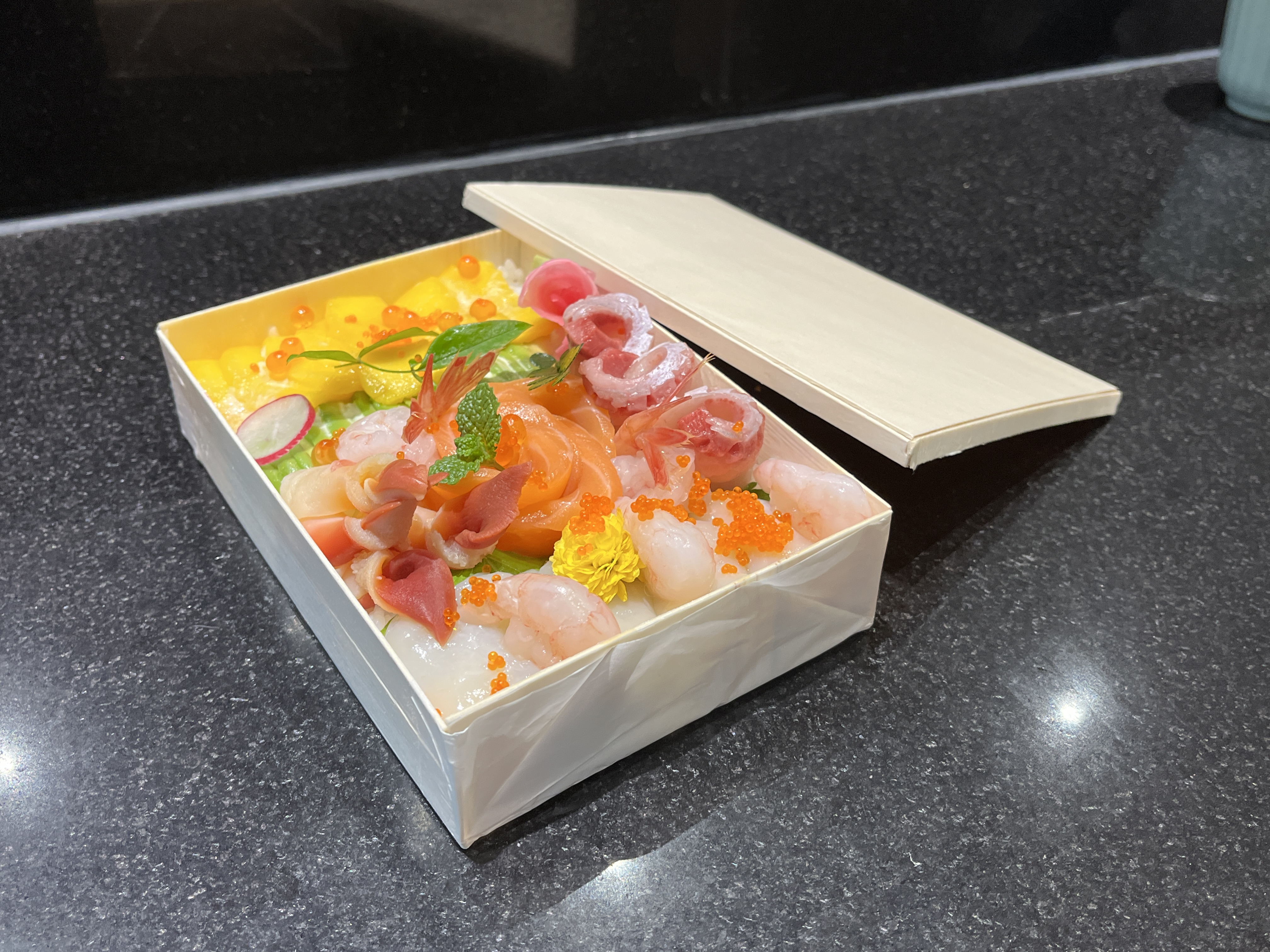
Beyond heavy machinery crates, Takpakwood also produces consumer and food‑grade packaging, proving precise craftsmanship at many scales.
- Wooden charcuterie box with nail buckle for secure food display
- Round Wooden Bento box 6"x2.4" with Wood Lid for neat meal packing
- Wooden Round Box with Wooden Lid 15×2.75" for premium retail goods
3. End‑to‑End Support and Global Shipping Know‑How
Takpakwood teams help with crate design, on‑site packing, and export rules, cutting risk and saving time from factory floor to final destination.
- ISPM‑15 compliance guidance
- Route‑specific design advice
- On‑site or off‑site packing options
Conclusion
Strong wooden crates are essential for safe heavy machinery transport. They control impact, moisture, and handling risk, while supporting smooth customs clearance and faster loading.
By choosing well‑designed crates and proven partners like Takpakwood, you protect your assets, reduce delays, and keep every shipment on schedule and within budget.
Frequently Asked Questions about woodenbox
1. What is a woodenbox for heavy machinery?
A woodenbox for heavy machinery is a reinforced wooden crate built to carry large, heavy equipment safely through lifting, stacking, and long‑distance shipping.
2. How thick should the wood be for machinery crates?
Thickness depends on weight and size, but bases often use 25–40 mm boards, with matching bracing and supports under main load points.
3. Are woodenboxes suitable for sea freight?
Yes. With ISPM‑15 treated wood, moisture control, and strong blocking, woodenboxes perform very well in containers and break‑bulk sea shipments.
4. Can wooden machinery crates be reused?
Many heavy‑duty crates are reusable if they are inspected, repaired where needed, and kept dry between trips to prevent rot or corrosion.
5. How do I choose the right supplier for woodenboxes?
Look for proven engineering skills, export experience, quality timber, and the ability to design crates around your specific machinery and routes.
Post time: 2026-05-13 17:13:03


 Privacy settings