
Introduction to Biodegradable Products in Food Industry
The food industry is undergoing a significant transformation as it grapples with the environmental impacts of conventional packaging materials. The shift towards biodegradable products is not merely an alternative but an essential move to mitigate environmental harm. biodegradable containers for food are emerging as a critical component in this shift, helping to reduce waste and lower carbon footprints. This article delves into the various biodegradable options available, their applications, and the benefits they offer to the food industry.
Compostable Paper and Cardboard
● Definition and Benefits
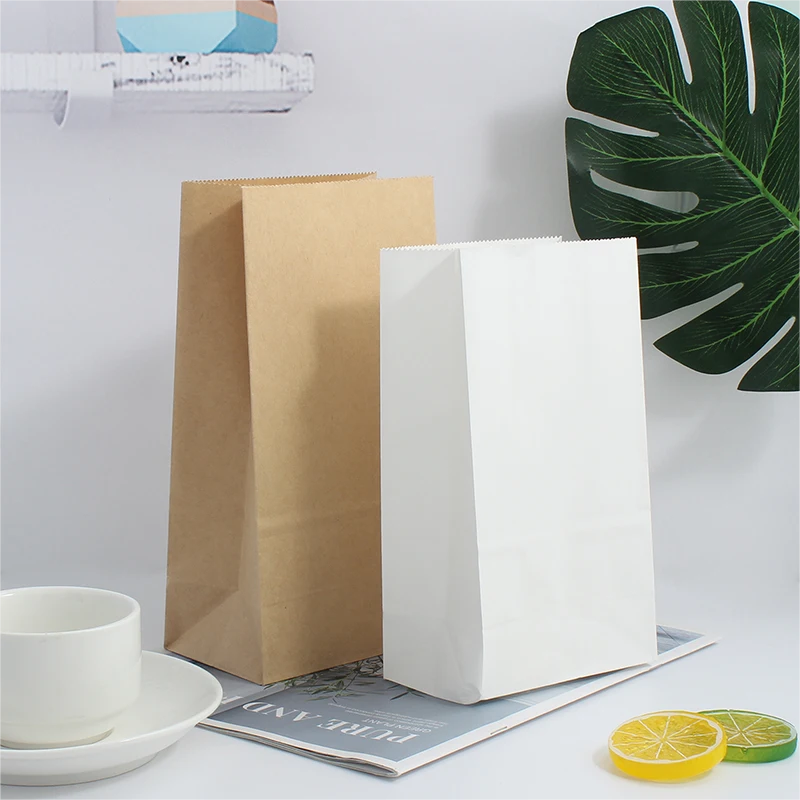
Compostable paper and cardboard are materials that can break down into nutrient-rich soil under composting conditions. These materials serve as eco-friendly alternatives to traditional packaging and contribute significantly to the circular economy. In the food industry, compostable containers for food offer a sustainable solution by reducing reliance on plastic.
● Common Applications in Food Packaging
Compostable materials are used in a wide range of packaging formats. For instance, food containers made from compostable paper are sturdy and practical, offering an eco-friendly option for takeout and delivery services. Similarly, compostable cardboard trays are employed for fruits, vegetables, and other perishable items. Wholesale biodegradable containers for food made from these materials are becoming increasingly popular among food manufacturers and suppliers.
Innovative Packaging Designs Using Compostable Materials
● Foldable Compostable Boxes
Foldable compostable boxes are an excellent example of innovative packaging design. These boxes not only reduce waste but also offer a convenient and eco-friendly solution for consumers on the go. They are widely used by fast-food chains and restaurants looking to minimize their environmental impact.
● Compostable Bowls, Cups, and Coffee Sleeves
Companies like Chipotle have transitioned to compostable bowls and cups, setting a precedent for other fast-food chains. In the coffee industry, compostable cups and sleeves are replacing traditional options, offering insulation without the environmental drawbacks. Biodegradable containers for food suppliers are increasingly stocking these innovative products, encouraging broader industry adoption.
Understanding Bioplastics in Food Packaging
● Distinction Between Biobased and Biodegradable Plastics
Bioplastics are polymers derived from biological sources, often plant-based, as opposed to conventional plastics that rely on fossil fuels. These materials can be biobased, biodegradable, or both. Biobased plastics are made from renewable resources, while biodegradable plastics break down into natural components under specific conditions. This distinction is crucial for manufacturers and consumers seeking sustainable packaging solutions.
● Environmental Advantages of Bioplastics
The shift towards bioplastics is driven by their numerous benefits. These materials are renewable, reducing dependency on finite fossil fuel resources. They also have the potential to lower greenhouse gas emissions during production. Furthermore, their biodegradable variants help mitigate plastic pollution in landfills and oceans, making them an attractive option for biodegradable containers for food manufacturers.
Types and Applications of Bioplastics
● Polylactic Acid (PLA) and Its Uses
Polylactic Acid (PLA) is derived from cornstarch and is a versatile bioplastic. It is ideal for clear containers, biodegradable beverage packaging, and even biodegradable straws. PLA has gained popularity in the single-use plastic replacement market, with many food companies adopting it for their packaging needs.
● Polyhydroxyalkanoates (PHA) and Starch-Based Plastics
Polyhydroxyalkanoates (PHA) are produced by microorganisms and are biodegradable, exhibiting similar properties to traditional plastics. This makes them suitable for a range of applications, from food packaging films to disposable cutlery. Starch-based plastics, often blended with other biopolymers, are used to create trays, clamshells, and bags. These materials offer good barrier properties and are ideal for short-shelf-life products.
Biodegradable Films: An Eco-Friendly Solution
● Characteristics of Biodegradable Films
Biodegradable films are thin sheets of material designed to protect and preserve food while being capable of breaking down into natural components. Cellophane, derived from plant cellulose, is a prime example. These films are transparent, versatile, and can be used for various packaging applications. The eco-friendly nature of biodegradable films makes them an attractive alternative to traditional plastic films.
● Comparison with Traditional Plastic Films
Traditional plastic films contribute significantly to plastic waste and environmental pollution. In contrast, biodegradable films offer a more sustainable end-of-life scenario. For example, replacing plastic overwrap for magazines or multipacks of beverages with biodegradable film reduces plastic waste and supports a circular economy. Wholesale biodegradable containers for food suppliers are increasingly incorporating these films into their product lines, promoting sustainability.
Common Applications of Biodegradable Films
● Shrink Wrap for Fresh Produce
Biodegradable films are used as shrink wrap for fresh produce, providing a breathable yet protective covering for fruits and vegetables. This type of film extends the shelf life of fresh produce while ensuring minimal environmental impact. Biodegradable containers for food factories are adopting these films to meet the growing demand for sustainable packaging.
● Snack Packaging and Individually Wrapped Products
Single-serve food items have embraced biodegradable films, catering to the on-the-go lifestyle while addressing ecological concerns associated with single-use packaging. These films are used for snack packaging and individually wrapped products, providing a sustainable alternative to conventional plastic packaging.
Edible Coatings for Extended Shelf Life
● Definition and Benefits
of Edible CoatingsEdible coatings are thin layers of edible material applied to the surface of food items to extend shelf life, improve freshness, and reduce waste. These coatings are typically made from natural ingredients such as wax, starch, proteins, or fruit extracts. Unlike traditional packaging, edible coatings eliminate the need for separate disposal and contribute to a more circular approach to packaging.
● Regulatory Standards and Consumer Transparency
Regulatory bodies ensure that edible coatings meet necessary safety standards for consumption. Ingredients used in these coatings are carefully selected to comply with food safety regulations, making them a viable and safe option for direct contact with food. The concept of edible coatings aligns with the broader movement toward cleaner labels and transparency in food production, meeting consumer demand for sustainable and transparent packaging.
Applications and Future of Edible Coatings
● Wax Coatings for Fruits and Vegetables
Edible wax coatings protect fruit and vegetable produce from external factors and create a thin, natural barrier that can be consumed along with the skin, eliminating the need for plastic packaging. These coatings offer an innovative solution for extending the shelf life of fresh produce while reducing environmental impact.
● Innovations in Edible Coating Formulations
The future of edible coatings holds exciting possibilities for further innovation. Researchers are exploring advanced formulations to enhance the functionality of these coatings, such as incorporating antimicrobial properties to prolong shelf life even further. As technology and understanding of food science progress, edible coatings may become a staple in the packaging landscape.
Embracing Sustainability in Food Packaging
● The Shift Towards a Circular Economy
The positive impact of embracing biodegradable packaging materials extends beyond mitigating plastic pollution; it encompasses a reduction in carbon footprints, increased consumer trust, and a fundamental shift in the industry’s ethos. As brands and consumers alike recognize the urgency of adopting sustainable practices, the adoption of biodegradable materials becomes a strategic imperative.
● Positive Impacts of Biodegradable Packaging Materials
Biodegradable materials mark a shift towards a more sustainable and responsible future and unveil a diverse toolkit for industry leaders to adopt. These materials offer eco-friendly alternatives and pave the way for a circular economy where packaging materials align with the principles of environmental harmony. Biodegradable containers for food suppliers play a crucial role in this transition, providing sustainable packaging solutions to meet the growing demand.
Company Profile: Takpakwood
Suqian DAGOUXIANG Trading Co., LTD. is a reputable company specialized in the distribution and manufacture of packaging solutions. We are a subsidiary of Suqian Green Wooden Products Co., Ltd., a well-known business that has been in the industry since 2002. Our parent company is a leader in the R&D, production, and sales of wooden food packaging in China. Building on the success of our parent company, Suqian DAGOUXIANG Trading Co., LTD. has expanded its trading business to include paper, plastic, bamboo, sugarcane pulp, and ceramic packaging. We are able to provide customers with a full range of packaging solutions to meet their specific needs. Our strong design team and customer service team work closely with customers to ensure their packaging needs are met. One of our main strengths is our ability to provide customized packaging solutions. We provide size and logo customization to ensure that customers' branding needs are met. Our wooden food packaging is processed by purely physical methods without any chemical treatment, absolutely food-grade safety. Contact us today and let us help you find the perfect packaging solution for your business.
Post time: 2024-07-28 11:29:11


 Privacy settings