
Introduction to food sustainable packaging: Concepts and Importance
In an era where environmental consciousness is becoming increasingly critical, food sustainable packaging has emerged as a pivotal solution in reducing waste and promoting eco-friendly practices. The traditional packaging industry, dominated by plastics, has long been a contributor to environmental degradation. However, the development of sustainable packaging materials and methods offers an eco-friendly alternative that minimizes environmental impact from production to disposal. This transformation is not only crucial for environmental preservation but also aligns with the rising consumer demand for eco-conscious products.
Materials Used in Sustainable Food Packaging
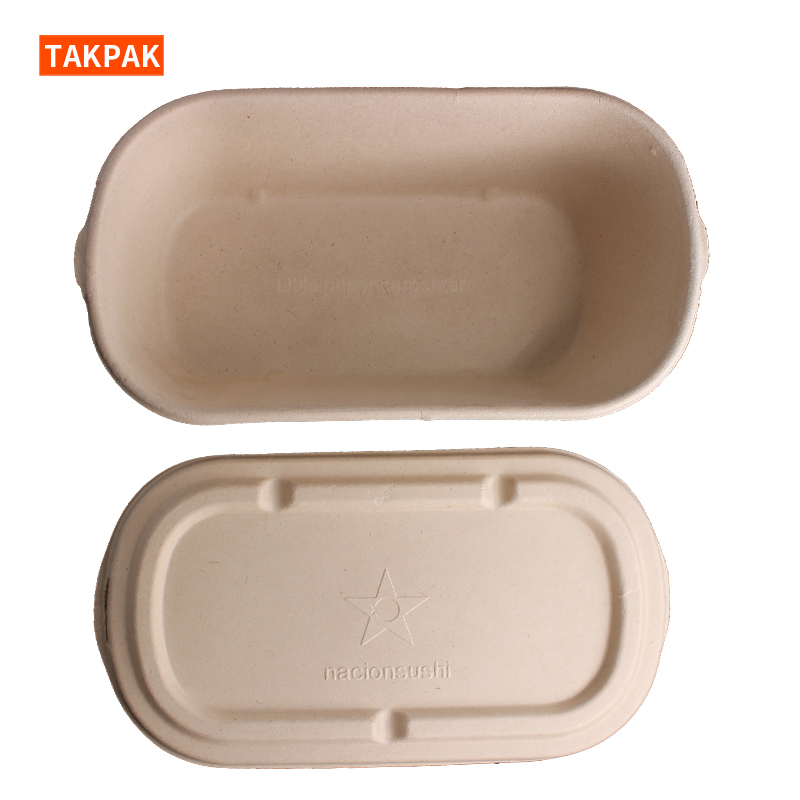
The cornerstone of food sustainable packaging lies in the materials used. Unlike conventional plastics, sustainable packaging is primarily derived from renewable resources such as bioplastics, paper, bamboo, and sugarcane. These materials are biodegradable, compostable, and recyclable, significantly reducing their environmental footprint. Bioplastics, for example, are made from natural sources like corn starch or sugarcane, offering a compostable alternative. Similarly, paper and bamboo are renewable resources that break down more efficiently than plastic, illustrating the shift towards sustainability in packaging practices.
● Comparison with Traditional Plastic Materials
Traditional plastic materials contribute to long-lasting environmental harm due to their non-biodegradable nature. In contrast, sustainable materials offer a lifecycle that involves minimal waste generation. The use of recycled materials in packaging helps breathe new life into old products, reducing the demand for new resources. This shift not only alleviates pressure on natural resources but also underscores the transition towards a circular economy in the packaging industry.
Manufacturing Processes of Sustainable Packaging
The manufacturing processes of sustainable packaging are designed to be less energy-intensive and eco-friendly compared to those of traditional packaging. Innovative production methods have been developed to ensure that the energy consumption and emissions during manufacturing are minimized. For instance, technologies like smart packaging extend the shelf life of products, thus reducing food waste. Edible packaging, another innovation, offers an exciting frontier in sustainable packaging, contributing to waste reduction by enabling consumption alongside the food it encases.
Environmental Benefits of Sustainable Packaging
The environmental benefits of adopting food sustainable packaging are manifold. Primarily, switching to sustainable options significantly reduces the waste burden on landfills and oceans. Traditional plastics, which can take hundreds of years to decompose, are often found in marine environments, contributing to pollution and harming aquatic life. Sustainable packaging, on the other hand, breaks down much faster under the right conditions, leading to a cleaner environment and healthier ecosystems.
● Lower Carbon Footprint and Resource Conservation
Moreover, sustainable packaging notably lowers the carbon footprint associated with production. The reduced reliance on fossil fuels during the manufacturing of sustainable materials translates to lower greenhouse gas emissions. Incorporating recycled content into packaging further diminishes the environmental impact, promoting resource conservation and minimizing waste.
Role of Sustainable Packaging in Climate Change Mitigation
The role of sustainable packaging in mitigating climate change is becoming increasingly recognized. By significantly reducing greenhouse gas emissions, sustainable packaging contributes to global efforts aimed at combating climate change. Tools from environmental agencies underscore the importance of using recycled content in packaging to lower emissions. This approach not only aligns with environmental goals but also meets growing consumer demand for sustainable products.
● Government and Industry Initiatives Supporting Sustainable Packaging
Governments and industries worldwide are acknowledging the necessity for sustainable packaging practices. For instance, the European Union has set ambitious targets to enhance recycling rates and reduce packaging waste. Leading brands like Coca-Cola and Unilever are also taking significant steps towards incorporating sustainable materials into their packaging, setting benchmarks for the industry to follow.
Business Advantages of Implementing Sustainable Packaging
Implementing sustainable packaging offers numerous advantages for businesses, extending beyond environmental benefits. As consumers become more eco-conscious, there is a growing demand for products that reflect responsible practices. Businesses that adopt sustainable packaging can tap into this demand, enhancing their brand image and gaining a competitive edge in the market.
● Enhancing Brand Image and Competitive Edge
Moreover, the transition to sustainable packaging can differentiate a brand in the marketplace, appealing to consumers who prioritize sustainability in their purchasing decisions. This shift aligns businesses with a global movement towards a healthier ecosystem, fostering customer loyalty and trust.
Strategies for Transitioning to Sustainable Packaging
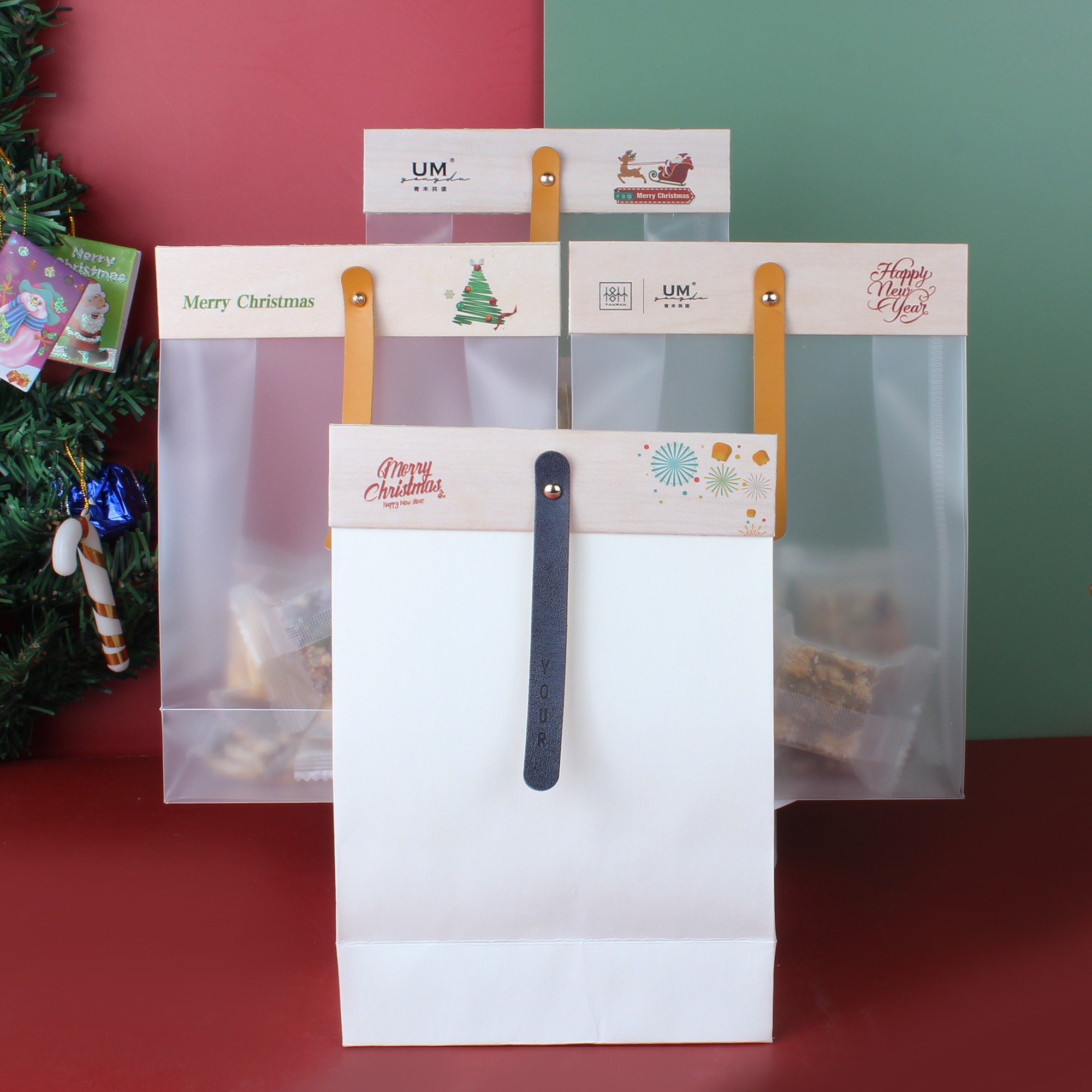
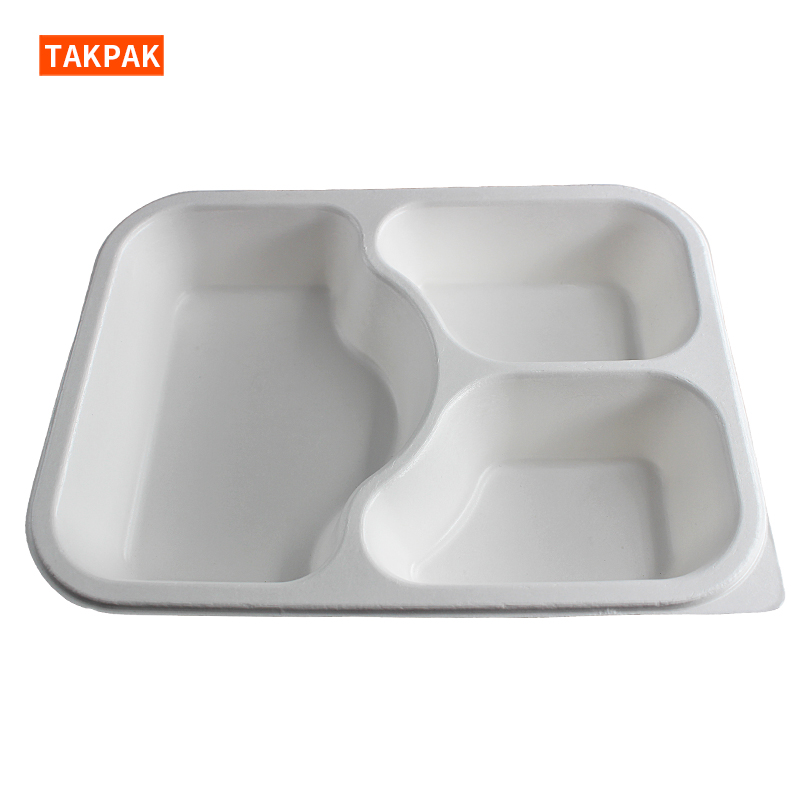
For businesses eager to adopt sustainable packaging, a strategic approach is essential. The transition begins with replacing single-use plastics with compostable or recyclable alternatives such as plant-based containers, paper straws, and biodegradable packaging. Utilizing local suppliers for these materials can also reduce transportation emissions while supporting community businesses.
● Importance of Local Sourcing and Reducing Transportation Emissions
Undertaking efforts to source packaging materials locally not only reduces the carbon footprint associated with transportation but also strengthens a business's ties to its community. This approach enhances the overall sustainability of the packaging lifecycle, reinforcing a commitment to eco-friendly practices.
Consumer Engagement and Education on Sustainable Packaging
Engaging and educating consumers about sustainable packaging is a critical step in promoting eco-friendly practices. Businesses can inform customers about their sustainability initiatives, encouraging them to participate in waste reduction efforts. This engagement not only elevates brand awareness but also empowers consumers to make informed choices.
● Benefits of Customer Awareness in Sustainable Practices
By raising awareness about the benefits of sustainable packaging, businesses can drive consumer behavior towards supporting eco-friendly products. This shift in consumer mindset plays an integral role in diminishing the environmental impact of packaging, fostering a culture of sustainability.
Challenges and Solutions in Sustainable Packaging Adoption
While the benefits of sustainable packaging are clear, businesses may encounter challenges during the adoption process. Common barriers include cost constraints and the complexity of sourcing sustainable materials. However, these challenges can be mitigated through innovative solutions, such as collaborating with food sustainable packaging manufacturers and suppliers to develop cost-effective strategies.
● Innovative Solutions and Examples of Successful Transitions
Several companies have successfully transitioned to sustainable packaging, setting examples for others in the industry. By embracing creativity and innovation, businesses can overcome hurdles and implement sustainable practices that align with their organizational goals.
Future Trends and Innovations in Sustainable Packaging
The future of food sustainable packaging is guided by continuous innovations and emerging trends. Technologies like smart packaging and edible materials are revolutionizing the industry, offering new opportunities for waste reduction. These advancements are paving the way for a future where sustainability is a fundamental component of packaging design.
● Predictions for the Future Landscape of Food Packaging Sustainability
Looking ahead, the landscape of food packaging is expected to evolve significantly, with sustainability at its core. As awareness and demand for eco-friendly packaging continue to grow, businesses and consumers alike will play a crucial role in shaping a sustainable future.
Company Profile: Takpakwood
Takpakwood is a renowned name in the realm of food sustainable packaging, distinguished for its commitment to eco-friendly solutions. As a subsidiary of Suqian Green Wooden Products Co., Ltd., Takpakwood excels in providing innovative packaging options such as paper, bamboo, sugarcane pulp, and ceramic packaging. With a strong focus on customization, Takpakwood ensures that branding needs are met with food-grade safety through chemical-free processing. Known for its robust design and customer service teams, Takpakwood is dedicated to delivering high-quality, sustainable packaging solutions to meet diverse customer needs.

Post time: 2024-11-25 12:28:08



 Privacy settings