
Introduction to Sustainable Packaging
The global packaging industry is undergoing a significant transformation driven by an increasing awareness of environmental sustainability. The consumption of single-use plastics and non-biodegradable materials has led to mounting waste and pollution, raising concerns about their detrimental impact on the planet. As consumers, businesses, and governments push for more sustainable practices, the demand for earth-friendly packaging materials has surged. This article aims to explore various sustainable packaging materials, highlighting their benefits, limitations, and applications.
Biodegradable Plastics
● Types of
Biodegradable Plastics
Biodegradable plastics are designed to break down more quickly than traditional plastics through the action of microorganisms. They come in various types, including polylactic acid (PLA), polyhydroxyalkanoates (PHA), and starch-based plastics. PLA is derived from fermented plant starch and is commonly used in food packaging. PHA, produced by bacterial fermentation of sugars or lipids, is used in a variety of applications, including medical devices and packaging.
● Benefits and Limitations
The primary benefit of biodegradable plastics is their reduced environmental impact compared to conventional plastics. They decompose naturally, reducing landfill waste and pollution. However, the effectiveness of their biodegradability depends on specific environmental conditions such as temperature, humidity, and microbial activity. Inappropriate disposal can still lead to environmental harm, thus proper waste management systems are crucial.
Recycled Paper and Cardboard
● Recycled Content and Its Benefits
Recycled paper and cardboard are staples in the sustainable packaging industry. These materials are derived from post-consumer and post-industrial waste, offering a second life to paper products. The recycling process conserves resources, reduces greenhouse gas emissions, and minimizes landfill waste.
● Usage in the Packaging Industry
Recycled paper and cardboard are versatile materials used in a wide array of packaging applications, from corrugated boxes to paper bags and protective cushioning. They are favored for their recyclability, biodegradability, and cost-effectiveness. Additionally, advancements in recycling technology have improved the quality and durability of recycled paper products, making them a viable option for many packaging needs.
Plant-Based Plastics (Bioplastics)
● What Are Bioplastics?
Bioplastics are derived from renewable plant sources such as corn, sugarcane, and potato starch. Unlike traditional plastics made from fossil fuels, bioplastics offer a more sustainable alternative by reducing reliance on non-renewable resources. Common types of bioplastics include PLA and polybutylene succinate (PBS).
● Examples and Benefits
Bioplastics are used in various applications, including food packaging, disposable cutlery, and agricultural films. They offer several benefits, such as reduced carbon footprint and biodegradability. However, not all bioplastics are compostable, and their production can sometimes compete with food crops for agricultural land, posing ethical and environmental concerns.
Mushroom Packaging
● Composition and Manufacturing Process
Mushroom packaging, made from mycelium—the root structure of fungi—represents an innovative and fully biodegradable alternative to traditional packaging materials. The manufacturing process involves growing mycelium in agricultural waste, which binds the waste into a solid structure. This process is energy-efficient and does not require synthetic additives.
● Advantages Over Traditional Materials
Mushroom packaging offers numerous environmental benefits, including biodegradability, low energy consumption during production, and the use of agricultural waste. It is an excellent replacement for Styrofoam and other non-biodegradable foams used in protective packaging. Additionally, mushroom packaging can be composted at home, returning valuable nutrients to the soil.
Cornstarch Packaging
● How Cornstarch Is Used in Packaging
Cornstarch packaging is made from polylactic acid (PLA) derived from fermented corn sugar. This material is used to create a variety of packaging products, including containers, trays, and films. It is favored for its ability to mimic the properties of conventional plastics while being more environmentally friendly.
● Environmental Advantages and Applications
Cornstarch packaging is biodegradable and compostable, breaking down into non-toxic components. It reduces reliance on petroleum-based plastics and lowers greenhouse gas emissions during production. However, its production can be resource-intensive, and there are concerns about the environmental impact of large-scale corn cultivation.
Edible Packaging Materials
● Types and Examples of Edible Packaging
Edible packaging materials are an emerging innovation in the sustainable packaging landscape. Made from food-grade substances, they can be consumed along with the product they contain. Examples include seaweed-based packaging, edible films made from starch, and casein (a milk protein).
● Use Cases and Environmental Benefits
Edible packaging is particularly useful for single-serve food items and can significantly reduce packaging waste. As it is designed to be consumed, it eliminates the need for disposal and the associated environmental impact. The challenge lies in ensuring the material's safety, stability, and shelf life, which is critical for broad market adoption.
Recycled Metal Packaging
● Uses of Recycled Aluminum and Tin
Recycled metal packaging, particularly aluminum and tin, is widely used in the beverage and food industries. Aluminum cans and tin containers can be recycled repeatedly without losing their quality, making them highly sustainable options.
● Longevity and Recyclability
The durability and recyclability of metal packaging offer significant environmental benefits. Recycling aluminum saves up to 95% of the energy required to produce new aluminum from raw materials. As a result, metal packaging supports a circular economy, where materials are continuously reused, reducing the demand for virgin resources.
Reusable Packaging Solutions
● Types of Reusable Packaging
Reusable packaging solutions include containers, bottles, and bags designed for multiple uses. These materials are often made from durable substances like glass, stainless steel, and high-quality plastics, intended to replace single-use items.
● Long-Term Environmental Impact
Reusable packaging can substantially reduce waste and resource consumption over time. By choosing products that can be reused, businesses and consumers can decrease their environmental footprints. The initial investment in reusable packaging is offset by long-term savings and sustainability benefits, presenting a viable solution for both economic and environmental concerns.
Future Innovations in Sustainable Packaging
● Emerging Materials and Technologies
The search for sustainable packaging solutions continues to drive innovation in materials science. Emerging materials like cellulose-based films, biodegradable composites, and even packaging made from bacterial cultures are gaining attention. These materials promise enhanced performance, environmental benefits, and new functionalities.
● Potential Challenges and Opportunities
While the development of new packaging materials presents exciting opportunities, it also faces challenges. Issues such as scalability, cost, and regulatory compliance must be addressed to ensure widespread adoption. Collaboration between researchers, manufacturers, and policymakers is crucial to overcome these barriers and advance the sustainable packaging landscape.
Conclusion
Sustainable packaging plays a vital role in reducing the environmental impact of packaging waste. By exploring and adopting earth-friendly materials like biodegradable plastics, recycled paper, plant-based plastics, mushroom packaging, cornstarch packaging, edible materials, recycled metals, and reusable solutions, the packaging industry can move towards a more sustainable future. Businesses and consumers alike should prioritize these sustainable options to contribute to global environmental preservation.
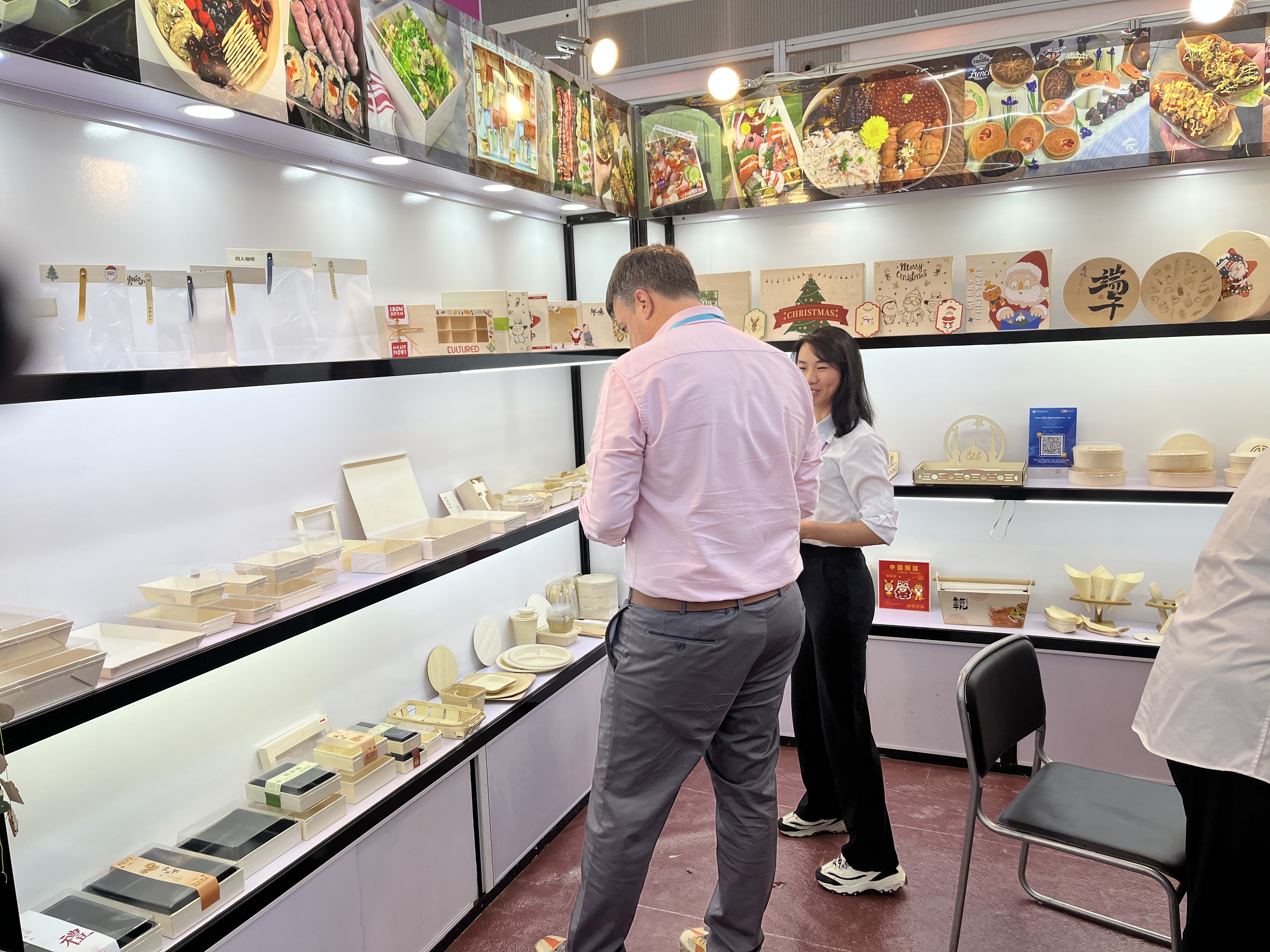
Suqian DAGOUXIANG Trading Co., LTD., a subsidiary of Suqian Green Wooden Products Co., Ltd., specializes in the distribution and manufacture of a wide range of packaging solutions. With a strong foundation in wooden food packaging, the company has expanded its offerings to include paper, plastic, bamboo, sugarcane pulp, and ceramic packaging. Takpakwood, the company's brand, provides customized, eco-friendly packaging solutions, ensuring food-grade safety and meeting diverse customer needs. Contact Suqian DAGOUXIANG Trading Co., LTD. today for high-quality, sustainable packaging solutions.
Post time: 2024-07-27 11:27:09
 Privacy settings