
Introduction to Disposable Cutlery
Disposable cutlery, including the ubiquitous disposable spoon and fork, has become an integral part of modern life. These utensils are frequently used in various settings such as picnics, takeout meals, and large gatherings due to their convenience. But what exactly constitutes disposable cutlery, and how did it become so widespread? To understand this, we need to delve into its definition and common uses as well as its historical context and evolution.
● Definition and Common Uses
Disposable cutlery refers to utensils intended for single use before being discarded. These items are typically made from materials like plastic, wood, or more sustainable alternatives such as bamboo and sugarcane pulp. They are favored for their ease of use and the minimal cleanup required afterward, making them ideal for events where washing dishes is impractical.
● Historical Context and Evolution
The concept of disposable cutlery is relatively recent, gaining prominence in the mid-20th century along with the rise of fast food and convenience culture. Initially, plastic became the material of choice due to its low cost and versatility. Over the years, environmental concerns have prompted the development of more sustainable alternatives, reflecting a growing awareness of their impact on our planet.
Materials Used in Disposable Cutlery
The safety and environmental impact of disposable cutlery largely depend on the materials used in their production. This section explores the various materials commonly employed, including plastic, wood, and biodegradable alternatives, and assesses their environmental impact.
● Plastic, Wood, and Biodegradable Alternatives
Plastic remains the most common material for disposable spoons and forks due to its affordability and ease of production. However, its environmental impact is significant, leading to increased interest in alternatives like wood and biodegradable materials such as bamboo and sugarcane pulp. These materials are often sourced from renewable resources and are designed to decompose more rapidly than plastic.
Chemical Safety Concerns
One of the primary concerns with disposable cutlery, especially those made of plastic, is the presence of harmful chemicals like Bisphenol A (BPA). This section examines the health risks associated with these chemicals and their potential impact on consumers.
● Presence of Harmful Chemicals like BPA
BPA is a chemical commonly found in plastics, including some types used for making disposable cutlery. It has been linked to various health issues, including hormonal disruptions and increased cancer risk. As awareness of these risks has grown, many manufacturers have moved towards BPA-free materials, although not all disposable cutlery is guaranteed to be free from such chemicals.
● Health Risks Associated with These Chemicals
Studies have shown that exposure to BPA and other harmful chemicals can lead to numerous health problems. These risks are particularly concerning for pregnant women and young children, who may be more vulnerable to the effects. Consumers need to be aware of these potential dangers and opt for safer alternatives whenever possible.
Microplastics and Human Health
An emerging area of concern with disposable cutlery is the breakdown of plastics into microplastics. This section explores the formation of microplastics, their ingestion, and their potential health effects.
● Breakdown of Plastics into Microplastics
Microplastics are tiny plastic particles that result from the degradation of larger plastic items, including disposable spoons and forks. These particles can enter the environment through various pathways, including improper disposal and inadequate waste management systems.
● Ingestion and Potential Health Effects
Once in the environment, microplastics can find their way into food and water sources, leading to unintentional ingestion by humans. The long-term health effects of consuming microplastics are still being studied, but there is growing concern about their potential to cause harm, including digestive issues and the accumulation of toxic substances in the body.
Environmental Impact of Disposable Cutlery
The environmental footprint of disposable cutlery extends beyond its material composition. This section discusses the broader ecological implications, including its contribution to landfill waste and the challenges of recycling and biodegradability.
● Contribution to Landfill Waste
Disposable cutlery contributes significantly to landfill waste due to its single-use nature. Unlike reusable utensils, disposable spoons and forks are often discarded after one use, leading to enormous waste accumulation. Landfills are already overburdened with plastic waste, and disposable cutlery adds to this mounting problem.
● Issues with Recycling and Biodegradability
Recycling disposable cutlery can be challenging, as not all types of plastic are recyclable. Furthermore, contamination with food residues often leads to these items being rejected by recycling facilities. While biodegradable alternatives offer some hope, they require specific conditions to decompose effectively, which may not be met in regular landfill settings.
Regulations and Safety Standards
To address these concerns, various governmental guidelines and regulations have been established to ensure the safety and environmental friendliness of disposable cutlery. This section examines these regulations and how they differ globally.
● Governmental Guidelines and Regulations
In many countries, regulations have been implemented to limit the use of harmful chemicals in disposable cutlery and promote the use of safer materials. For instance, the European Union has banned certain single-use plastics, including cutlery, as part of its broader strategy to reduce plastic waste. In the United States, the FDA regulates materials used in food contact items to ensure they are safe for consumers.
● Differences in Standards Globally
Despite these efforts, there are significant differences in safety standards and regulations across the globe. Some countries may have stricter guidelines, while others lag in implementing necessary measures. This inconsistency highlights the need for a more unified approach to regulating disposable cutlery to ensure global safety and sustainability.
Consumer Awareness and Practices
Consumer behavior plays a crucial role in addressing the safety and environmental impact of disposable cutlery. This section discusses the current level of public knowledge about the risks and the adoption of safer alternatives.
● Public Knowledge About the Risks
While awareness about the environmental impact of plastic cutlery has grown, many consumers remain uninformed about the potential health risks posed by harmful chemicals and microplastics. Educational campaigns and clear labeling can help bridge this knowledge gap and empower consumers to make informed choices.
● Adoption of Safer Alternatives
As awareness increases, more consumers are seeking out safer and more sustainable options for disposable cutlery. This includes opting for utensils made from biodegradable materials or reusable alternatives. Encouraging this shift in consumer behavior is essential for reducing the negative impact of disposable cutlery on both human health and the environment.
Sustainability and Eco-friendly Alternatives
The development and adoption of sustainable materials for disposable cutlery are critical for addressing the associated environmental and health concerns. This section provides an overview of such materials, detailing their benefits and drawbacks.
● Overview of Sustainable Materials
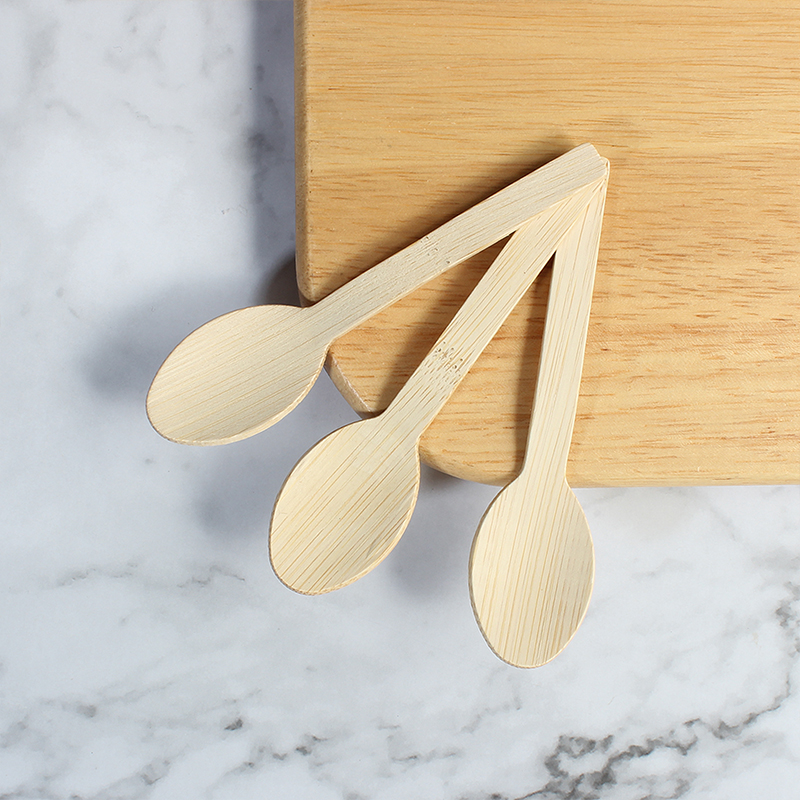
Sustainable materials for disposable cutlery include bamboo, sugarcane pulp, and other plant-based plastics. These materials are often sourced from renewable resources and are designed to break down more quickly than traditional plastics, reducing their environmental footprint.
● Benefits and Drawbacks of Alternatives
While sustainable materials offer significant environmental benefits, they are not without challenges. For instance, bamboo cutlery may be more expensive to produce, and the production of plant-based plastics can still have ecological impacts. Nevertheless, these alternatives represent a step in the right direction towards more sustainable consumption.
Future Trends in Cutlery Design
Innovation in materials and design is driving the future of disposable cutlery. This section explores these trends and offers predictions for the industry's future direction.
● Innovations in Materials and Design
Recent advances in materials science have led to the development of new, eco-friendly materials for disposable cutlery. For example, some manufacturers are experimenting with using agricultural waste to create biodegradable utensils. Additionally, designs that minimize material use without compromising functionality are becoming more prevalent.
● Predictions for the Future of Disposable Cutlery
As consumers and regulators continue to push for more sustainable solutions, the market for disposable cutlery is expected to evolve significantly. The future likely holds a greater emphasis on reusable utensils, stricter regulations on plastic use, and the continued development of innovative, eco-friendly materials.
Conclusion and Recommendations
In conclusion, while disposable cutlery offers undeniable convenience, it comes with significant safety and environmental concerns. Consumers and manufacturers must work together to mitigate these risks and adopt more sustainable practices.
● Summary of Key Points
Disposable cutlery, especially those made from plastic, pose various health risks due to harmful chemicals like BPA and the formation of microplastics. They also contribute significantly to environmental pollution and landfill waste. However, regulations and consumer awareness are driving a shift towards safer, more sustainable alternatives.
● Tips for Consumers to Make Safer Choices
Consumers can play a vital role in this transition by making informed choices. Opt for cutlery made from certified BPA-free materials or biodegradable options like bamboo. Wherever possible, choose reusable utensils over disposable ones to minimize waste. Lastly, support brands and manufacturers committed to sustainable practices.
Company Profile: Takpakwood
Suqian DAGOUXIANG Trading Co., LTD., under the brand name Takpakwood, specializes in distributing and manufacturing high-quality packaging solutions, including sustainable disposable cutlery. As a subsidiary of Suqian Green Wooden Products Co., Ltd., Takpakwood combines years of industry expertise with a strong commitment to eco-friendly practices. With a focus on customization and food-grade safety, Takpakwood offers a wide range of packaging solutions to meet diverse customer needs. Contact us today to discover how Takpakwood can help you achieve your sustainability goals.

Post time: 2024-07-12 15:17:16



 Privacy settings