
You want beautiful woodworking jewelry boxes from overseas, but instead you juggle sketchy suppliers, odd emails, and boxes that look more “craft fail” than “luxury gift.” Your sourcing journey feels like a long, weird blind date.
This guide shows you how to vet factories, compare samples, and lock in fair prices using clear steps and trusted data from U.S. International Trade Administration, so your next shipment actually delights customers—and your accountant.
💼 Key Factors When Choosing Overseas Woodworking Jewelry Box Manufacturers
Choosing the right overseas woodworking jewelry box factory affects brand image, profit, and customer trust. Focus on capacity, craftsmanship, communication, and compliance to avoid hidden risks.
Check real samples, inspect certifications, and compare quotes carefully. A strong supplier should offer honest lead times, stable quality, and clear after‑sales support.
1. Production Capacity and Lead Time
Match factory capacity with your forecast orders. Ask about maximum monthly output, peak‑season schedules, and how they handle rush orders or design changes.
- Average monthly output (units)
- Standard lead time for repeat orders
- Minimum order quantity (MOQ)
- Flexibility for small trial runs
2. Wood Sourcing and Sustainability
Responsible wood sourcing protects your brand. Confirm legal harvest, traceability, and options for FSC or similar certified materials for eco‑focused markets.
| Wood Type | Key Feature | Best Use |
|---|---|---|
| Pine/Paulownia | Lightweight, cost‑effective | Entry‑level boxes |
| Beech/Rubberwood | Stable, fine grain | Mid‑range boxes |
| Walnut/Oak | Premium look, durable | Luxury lines |
3. Communication, Sampling, and Documentation
Clear communication avoids costly mistakes. Ensure the factory gives precise drawings, bilingual contracts, and tracked sample processes before mass production.
- Detailed quotations with item codes
- 3D drawings or mockups for custom designs
- Written confirmations of finishes and hardware
4. Costing, Hidden Fees, and Terms
Look beyond unit price. Calculate tooling costs, packaging, freight, and payment terms to protect cash flow and long‑term margins.
- Check for mold or sample fees
- Negotiate payment schedules (e.g., 30/70)
- Clarify who covers rework or replacement
🌍 Comparing Production Regions for Woodworking Jewelry Box Quality and Craftsmanship
Different regions offer different strengths in woodworking, finishing, and price. Comparing them helps you balance quality needs with target budgets and timelines.
Use clear metrics like defect rate, on‑time delivery, and finish consistency to build a reliable global supply network for jewelry boxes.
1. East Asia: Mature Supply Chains
East Asia offers stable quality, advanced machines, and rich export experience. Ideal for brands needing refined finishing and steady, mid‑to‑high volumes.
| Strength | Impact |
|---|---|
| Strong QC systems | Lower defect ratios |
| Skilled coating teams | Better color and gloss control |
| Stable raw material access | Fewer delays |
2. Southeast Asia: Cost‑Effective Growth Hubs
Southeast Asia can give competitive pricing with improving skills. It suits simpler designs and cost‑sensitive collections with clear QC guidance.
- Attractive labor costs
- Growing woodworking know‑how
- Need stronger specification sheets
3. Eastern Europe: Craft and Niche Designs
Eastern Europe focuses on craftsmanship and smaller runs. Good choice for boutique brands wanting unique, carved, or solid hardwood jewelry boxes.
- Hand‑crafted details
- Flexible for special shapes
- Higher freight for distant markets
4. South America: Regional Supply Advantage
For American markets, South America can shorten transit time and draw on rich wood resources, especially for rustic or natural‑style designs.
- Shorter lead time to North America
- Access to local hardwoods
- Check export and legal wood documents
📏 Material, Finish, and Design Requirements for Premium Jewelry Box Projects
Premium jewelry boxes depend on the right wood, stable finishes, and user‑friendly layouts. Document each detail clearly before you confirm production.
Combine factory standards with your brand rules to keep collections consistent across regions and seasons.
1. Wood, Lining, and Hardware Choices
Pair stable hardwoods with soft linings and durable hinges. This protects jewelry while delivering a strong unboxing experience.
| Element | Options | Notes |
|---|---|---|
| Wood | Walnut, oak, beech | Match color to brand style |
| Lining | Velvet, microfiber | Non‑abrasive, lint‑free |
| Hardware | Brass, alloy | Rust‑tested, smooth action |
2. Coatings and Color Consistency
Define gloss level, stain color, and odor limits. Water‑based coatings are popular for safer and more eco‑friendly jewelry box projects.
- Specify gloss (matte, satin, high‑gloss)
- Use color standards or samples
- Set VOC and odor requirements
3. Functional Design and User Experience
Plan compartments, ring rows, and mirror placement with the end customer in mind. Test prototypes before you freeze the design.
- Easy‑to‑open lids and drawers
- Logical separation for rings, necklaces, watches
- Secure closures for travel models
🧪 Quality Control, Packaging, and Testing Standards for Exported Jewelry Boxes
Strong QC and safe packaging reduce returns and damage. Define clear inspection rules and carton standards with your factory.
Use third‑party labs when needed to prove safety and durability to your buyers.
1. In‑Process and Final Inspections
Check parts before assembly and after finishing. Catch problems early to avoid waste and missed shipping dates.
| Stage | Inspection Focus |
|---|---|
| Incoming | Wood moisture, defects, hardware quality |
| In‑process | Dimensions, assembly, sanding |
| Final | Finish, function, packaging |
2. Export Packaging and Branding
Design packaging to protect and also support sales. Consider multi‑use boxes that can double as retail displays or gift‑ready packs.
- Foam or card inserts to fix the box
- Strong outer cartons with clear labels
- Barcodes and brand printing as needed
3. Safety, Chemical, and Durability Tests
For strict markets, confirm coatings and glues pass relevant standards. Run opening‑cycle tests on hinges and locks to ensure long life.
- Coating and glue safety testing
- Corrosion tests for metal parts
- Drop and vibration tests for cartons
🏷️ Why Takpakwood Is the Ideal Partner for Overseas Jewelry Box Sourcing
Takpakwood offers integrated wood product experience, reliable exports, and flexible custom services, making it a strong partner for global jewelry box buyers.
From material sourcing to final packing, the team helps your brand reduce risk and speed up new product launches.
1. Proven Woodworking and Food‑Grade Expertise
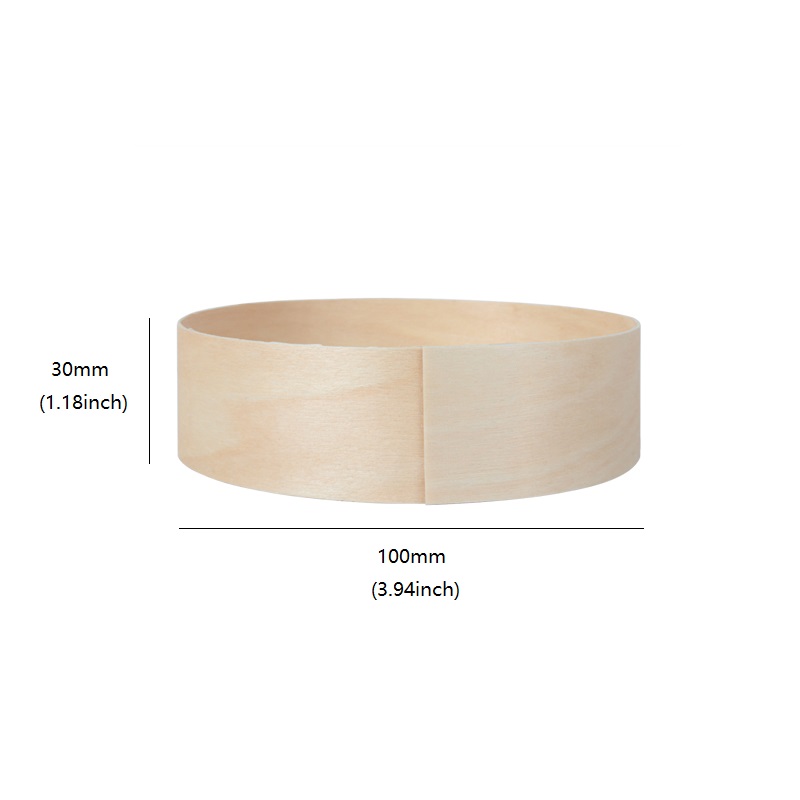
Takpakwood’s experience with items like the Wooden Sushi box and Folding Wooden sushi Box with PET lid shows precise woodworking, safe coatings, and export‑ready hygiene control.
2. Flexible Custom Projects and Brand Support
From small trials to large runs, Takpakwood supports custom sizes, colors, inserts, and branding. Clear communication helps turn sketches into stable, repeatable products.
3. Reliable Supply and Cross‑Category Wood Products
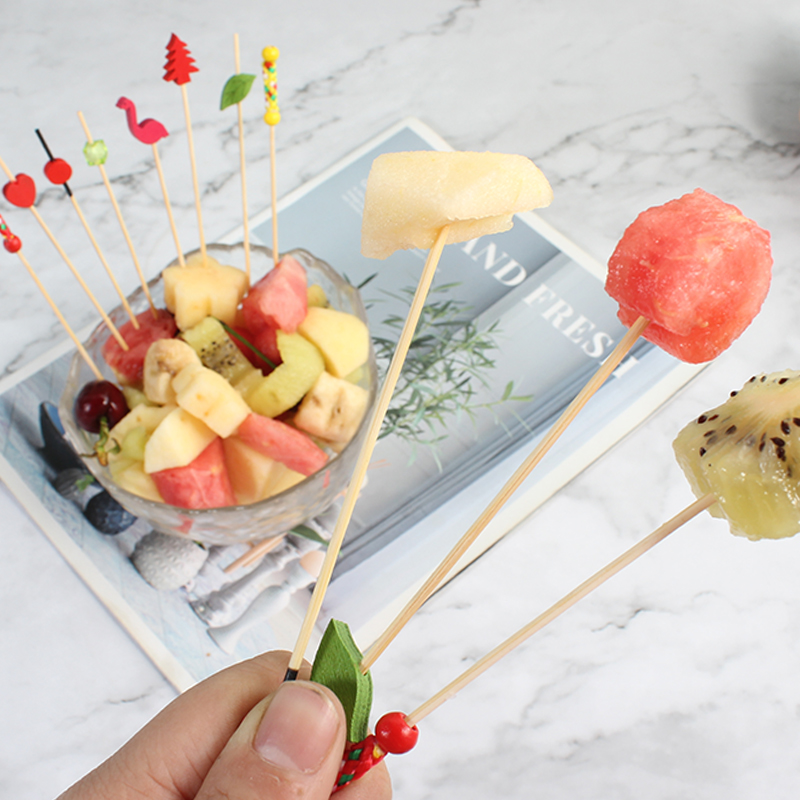
With a broad wooden product line, including Bamboo fruit sticks-small red beads with black heads, Takpakwood understands export packing, timing, and compliance across many markets.
Conclusion
Sourcing woodworking jewelry boxes overseas demands clear standards, smart region choices, and disciplined quality control. The right partner helps you balance cost, look, and durability.
By defining materials, finishes, and testing rules early, and partnering with experienced exporters like Takpakwood, you build stable supply and long‑term customer trust.
Frequently Asked Questions about woodworking jewelry box
1. What wood is best for a premium jewelry box?
Walnut, oak, and beech are popular for premium boxes. They offer stable structure, attractive grain, and a high‑end feel when matched with quality finishes.
2. How can I control color differences between batches?
Use fixed color standards, keep the same wood species, and ask your supplier to record finish recipes. Approve pre‑production samples before each large order.
3. What tests are important for exported jewelry boxes?
Key tests include coating safety, odor checks, metal corrosion, hinge life cycles, and drop tests on packed cartons to reduce shipping damage.
4. How long does it take to develop a new jewelry box design?
From drawing to approved sample usually takes 3–5 weeks, depending on complexity. Mass production commonly needs 30–45 days after sample approval.
Post time: 2026-03-15 23:59:03
 Privacy settings