
Introduction to Bamboo Baskets
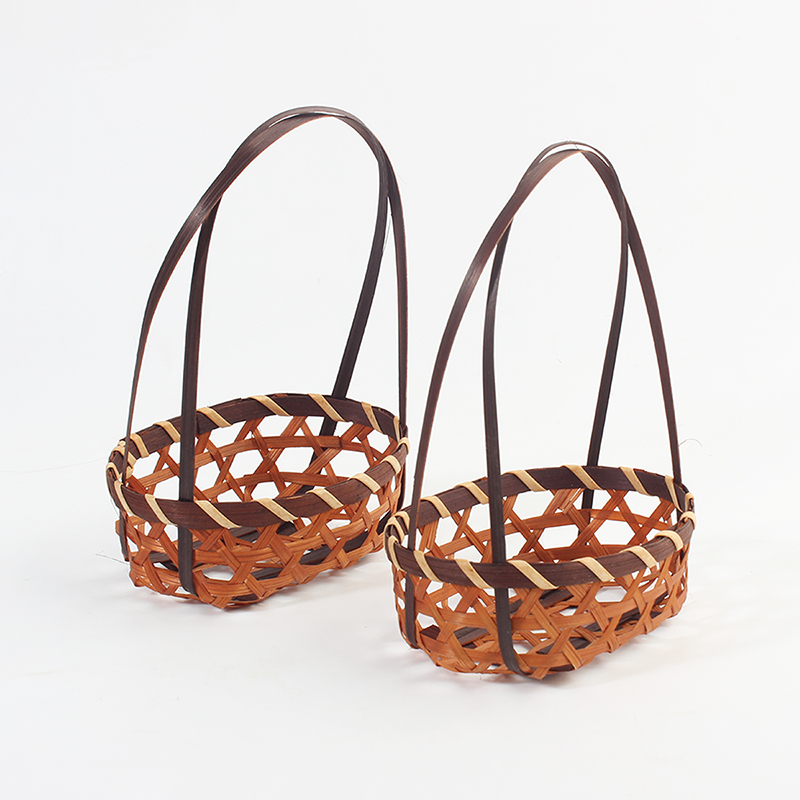
Bamboo baskets have been used for centuries, serving various purposes, from household storage to agricultural tools. Their versatility and natural aesthetic make them a popular choice for both traditional and modern settings. Bamboo baskets for storage, especially those produced by wholesale bamboo basket for storage manufacturers and factories, are increasingly favored for their sustainability and durability. But are these baskets truly biodegradable?
Biodegradability of Bamboo
● Natural Decomposition Process of Bamboo
Bamboo is a natural material that, under the right conditions, can decompose and return to the environment without causing harm. As a plant-based resource, it breaks down through microbial activity, turning into compost that enriches the soil.
● Environmental Conditions Affecting Biodegradability
The biodegradability of bamboo baskets depends on various factors such as temperature, humidity, and the presence of microorganisms. In moist and warm conditions, bamboo decomposes more quickly compared to arid and cold environments.
Comparing Bamboo with Other Materials
● Biodegradability of Plastic vs. Bamboo
Plastic baskets, often used as an alternative, are notorious for their environmental impact. Unlike bamboo, plastic takes hundreds of years to decompose and often ends up polluting oceans and landscapes. Bamboo, on the other hand, decomposes within a much shorter timeframe and leaves no harmful residues.
● Pros and Cons of Synthetic Materials vs. Bamboo
While synthetic materials like plastic may offer greater durability and lower costs, they lack the eco-friendly benefits of bamboo. Bamboo’s renewable nature and minimal environmental footprint make it a superior choice for sustainability-focused consumers and businesses, including bamboo basket for storage suppliers.
Environmental Impact of Bamboo Baskets
● Contribution to Reducing Waste
By opting for bamboo baskets over synthetic options, consumers can significantly reduce their waste output. Bamboo’s ability to break down naturally means that old or damaged baskets do not contribute to landfill overflow.
● Carbon Footprint and Sustainability
Bamboo cultivation is also beneficial in terms of carbon sequestration. The plant absorbs more carbon dioxide compared to other trees, and its rapid growth cycle means it can be harvested sustainably without causing deforestation.
Durability and Longevity of Bamboo Baskets
● Average Lifespan of Bamboo Baskets
A well-crafted bamboo basket can last several years, making it a durable choice for storage solutions. Its strength and resilience, when properly maintained, allow it to withstand daily use and environmental wear and tear.
● Factors Affecting Durability
Factors such as the quality of bamboo, manufacturing techniques, and exposure to elements can affect the lifespan of a bamboo basket. Proper care, such as keeping the basket dry and avoiding excessive weight, can further extend its usability.
Eco-friendly Alternatives
● Bamboo Baskets vs. Other Eco-friendly Options
While there are other eco-friendly storage options like jute or wicker, bamboo baskets stand out due to their strength and aesthetic appeal. Their natural look and feel make them highly desirable for both practical and decorative purposes.
● Advantages of Using Bamboo Over Other Materials
Bamboo is not only renewable and biodegradable but also exceptionally sturdy. This makes it an excellent material for various storage needs, whether for small household items or larger logistics requirements handled by a bamboo basket for storage factory.
Cultural Significance of Bamboo Baskets
● Traditional Uses in Different Cultures
Bamboo baskets have deep roots in various cultures, particularly in Asia. They have been used for centuries in everyday life, from carrying goods to culinary uses. Their craftsmanship is often passed down through generations, adding cultural value to their practical benefits.
● Modern Adaptations and Uses
Today, bamboo baskets are not just confined to traditional uses. Designers and manufacturers have creatively adapted them for contemporary lifestyles, making them suitable for modern homes and businesses.
Challenges in Bamboo Basket Production
● Addressing Sustainable Harvesting
Sustainable harvesting practices are crucial to ensure that bamboo resources remain abundant. Over-harvesting can lead to depletion, negatively impacting both the environment and the communities that rely on bamboo for their livelihoods.
● Economic Impacts and Industry Challenges
The bamboo basket industry also faces economic challenges, such as competition from cheaper synthetic materials and the need for skilled artisans. However, the growing demand for eco-friendly products provides opportunities for growth and innovation.
Future of Bamboo Baskets
● Innovations in Bamboo Basket Design
The future looks promising for bamboo baskets, with ongoing innovations in design and manufacturing. These advancements aim to enhance the functionality and aesthetic appeal of bamboo baskets, making them even more attractive to consumers.
● Potential for Wider Adoption in Various Industries
With increasing awareness of environmental issues, the potential for wider adoption of bamboo baskets in various industries is significant. From retail to logistics, bamboo baskets offer a sustainable alternative that can meet the needs of diverse sectors.
Conclusion
In summary, bamboo baskets are not only biodegradable but also offer numerous environmental and practical benefits. Their use reduces waste, supports sustainable practices, and provides a durable and aesthetically pleasing storage solution. This makes bamboo baskets an excellent choice for consumers and businesses alike, particularly those focused on sustainability.
Company Profile: Takpakwood
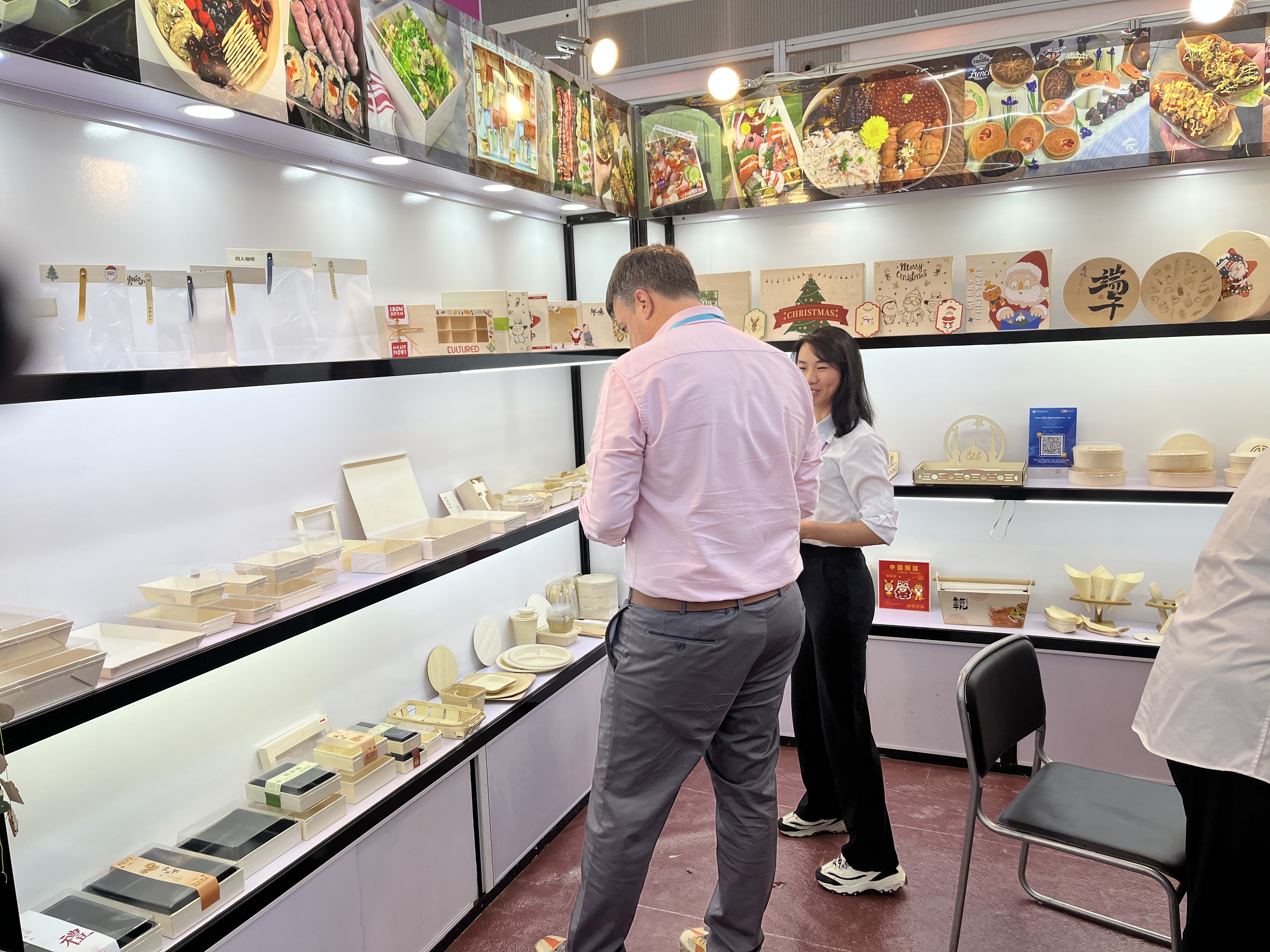
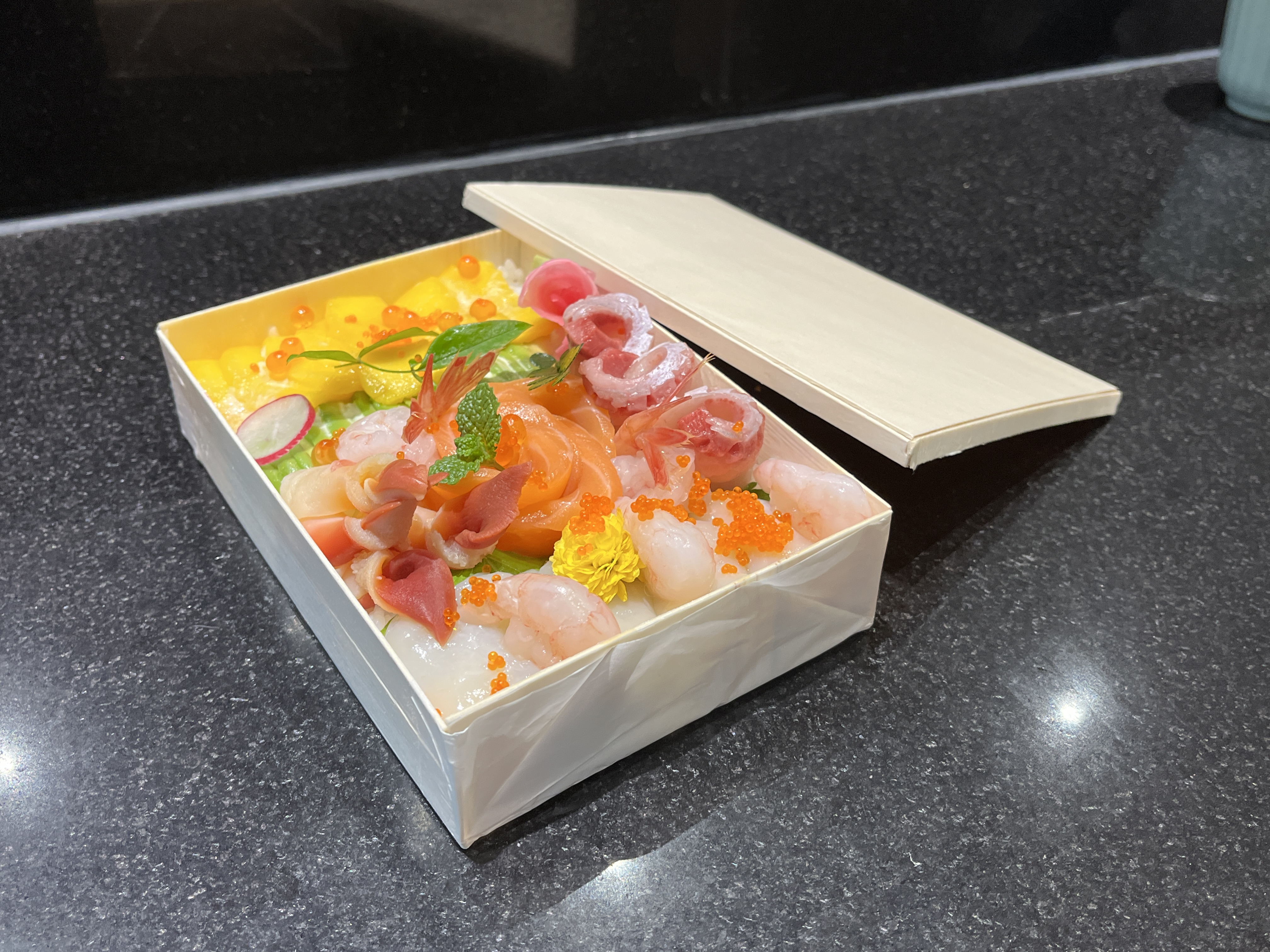
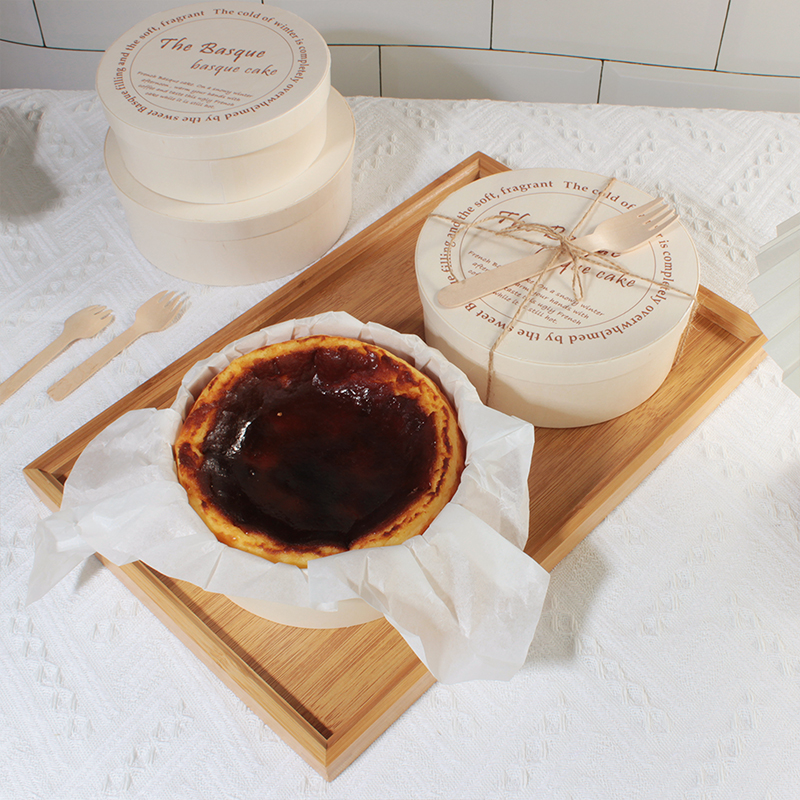
Suqian DAGOUXIANG Trading Co., LTD., a subsidiary of Suqian Green Wooden Products Co., Ltd., specializes in providing comprehensive packaging solutions. Established in 2002, the parent company is a leader in wooden food packaging R&D, production, and sales in China. Building on this expertise, DAGOUXIANG offers a wide range of packaging options including paper, plastic, bamboo, sugarcane pulp, and ceramic products. With a strong design and customer service team, Takpakwood ensures that all packaging needs are met, offering customized solutions that prioritize food-grade safety and environmental sustainability.
Post time: 2024-07-02 15:11:12

 Privacy settings