
Tired of guessing which wooden box trend will actually sell instead of just collecting dust in your warehouse? Let’s peek into the 2026 market so your next order doesn’t turn into very neat, very expensive firewood.
To dodge dead stock, follow demand data, not gut feelings. Use this 2026 box-for-wood outlook with buyer trends and pricing patterns, backed by industry stats from FAO’s forestry market reports, to plan smarter purchases.
📦 Global demand drivers for wooden box applications in 2026
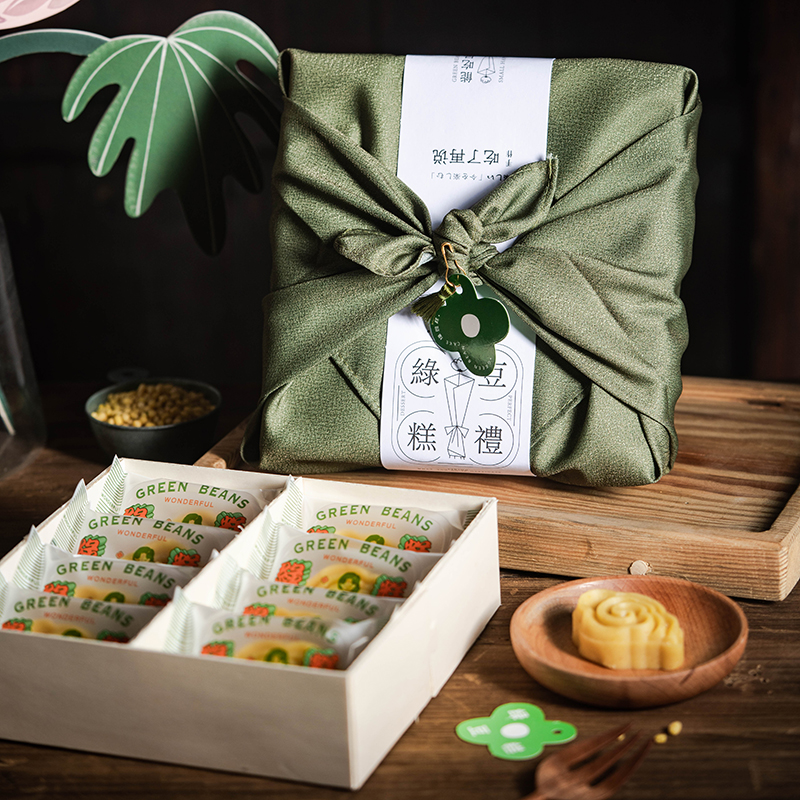
By 2026, demand for box for wood packaging will rise as brands seek premium presentation, better protection, and greener materials for food, gifting, and retail.
Wooden solutions also win buyers who want natural textures, sturdy structure, and strong shelf appeal across e‑commerce and offline channels.
1. Foodservice and catering growth
Restaurants, hotels, and catering firms will adopt wooden boxes for hygienic, attractive food displays and delivery packaging.
- Premium meal kits and tasting boxes
- Buffet and event presentation trays
- Reusable serving solutions to cut waste
2. E‑commerce and unboxing experience
Online brands use wooden boxes to improve unboxing, increase social media shares, and protect products during transport.
| Segment | Key Use |
|---|---|
| Gifts | Seasonal and corporate sets |
| Beauty | Subscription and PR boxes |
| Specialty food | Cheese, charcuterie, and sweets |
3. Retail premiumization and branding
Retailers view wood as an easy way to raise perceived value and support brand stories about quality and craft.
- Logo printing and laser engraving
- Custom sizes and inserts
- Gift‑ready packaging on shelves
4. Food‑safe and ready‑to‑serve solutions
Ready‑to‑serve formats will grow, especially for grazing tables and take‑out. Products like the Disposable Charcuterie Tray with Transparent Lid-15.75*15.75*1.2" show how wood and clear lids work together.
🌱 Sustainability trends shaping eco‑friendly wooden box preferences
Eco‑friendly wooden boxes will gain share as regulators and consumers move away from foam and mixed‑plastic packaging in food and retail.
Brands will ask suppliers to prove legal sourcing, recyclability, and low‑carbon processes across the full life cycle.
1. Shift from plastic to renewable materials
Buyers prefer wood from fast‑growing species and simple structures that avoid complex plastic layers.
- Lightweight balsa and poplar options
- Separate, recyclable PET or paper lids
- Clear material labeling for users
2. Certifications and traceability
Certification will act as a key filter in 2026 tenders and long‑term contracts.
| Proof type | Buyer focus |
|---|---|
| Forest certificates | Legal and responsible harvest |
| Food‑contact tests | Safe contact with hot and cold foods |
| Factory audits | Social and environmental standards |
3. Lightweight design to cut emissions
Reducing weight lowers transport emissions and shipping costs. Designs that use thin but strong wood sheets will be favored.
4. Reusable and recyclable formats
Buyers will mix disposable, recyclable trays with reusable items like the Folding Wooden Lunch Box 8"x4.8"x1.5" with Wood Lid, which suits repeat use and portioned meals.
🏭 Manufacturing innovations impacting quality, customization, and lead times
By 2026, factories will rely more on automation, digital design, and flexible tooling to keep quality high and lead times short.
These changes support small custom runs and large volume orders at stable prices.
1. Automation and precision cutting
Computer‑controlled cutting and forming increase accuracy and reduce waste, which keeps unit costs competitive.
- Stable dimensions for lids and bases
- Smoother edges for food safety
- Better fit for clear PET lids and sleeves
2. Faster sampling and design tweaks
Digital mockups and rapid tooling allow quick updates to shape, logo, or inserts, so brands test ideas faster.
3. Integrated lid and tray systems
Integrated designs, like the Balsa Wood Tray with PET Lid 15.75×15.75×1.2", will dominate grazing and bakery programs where clear display and secure stacking matter.
📊 Regional market shifts and price dynamics for wooden boxes
Regional shifts in labor cost, freight, and wood supply will shape 2026 pricing for box for wood packaging.
Smart buyers will lock in multi‑year deals and diversify sources to manage risk.
1. Asia‑Pacific as production hub
Asia‑Pacific will stay the main export base thanks to scale, skilled labor, and access to fast‑growing wood species.
- Competitive pricing on large orders
- Broad catalog of sizes and shapes
- Flexible customization options
2. Europe and North America favor local plus import mix
These regions often blend local suppliers with Asia‑based partners to balance speed, sustainability rules, and cost.
3. Price drivers buyers should watch
Key price factors include wood log costs, freight rates, currency shifts, and policy changes on single‑use packaging.
| Driver | Impact |
|---|---|
| Freight | Affects landed price of imports |
| Regulation | May add tests or documentation |
| Energy cost | Influences kiln‑drying and factory overhead |
⭐ Why Takpakwood stands out in the 2026 wooden box market
Takpakwood focuses on food‑safe designs, stable supply, and flexible customization, making it a strong partner for global wooden box buyers in 2026.
Its catalog covers light balsa trays, folding lunch boxes, and clear‑lid solutions for catering and retail.
1. Deep focus on food packaging
Takpakwood designs around real kitchen and catering needs, from oven‑ready bases to secure lids for transport and display.
- Food‑contact compliant materials
- Stackable solutions for events
- Options for hot and cold menus
2. Flexible MOQs and custom branding
Buyers can start with smaller test runs, then scale up. Printing and engraving options help align boxes with brand identity.
3. Export experience and documentation support
Takpakwood teams understand export paperwork, lab tests, and packing standards, which cuts delays and supports smooth customs clearance.
Conclusion
By 2026, box for wood solutions will benefit from sustainability rules, premium branding needs, and strong foodservice growth. Buyers will seek reliable suppliers who can balance cost, quality, and eco claims.
Companies that lock in partnerships with experienced manufacturers like Takpakwood will better manage price risk, compliance, and design innovation across global markets.
Frequently Asked Questions about box for wood
1. Are wooden food boxes safe for direct contact?
Yes, when producers use food‑grade wood and finishes, and test according to local regulations. Always request food‑contact reports from your supplier.
2. Can wooden boxes go in the oven or microwave?
Some thin‑wall wooden trays handle baking temperatures, but not all. Check the product’s tested temperature range and follow supplier instructions.
3. How can I know if the wood is sustainably sourced?
Ask for forest certification, legality documents, and traceability records. Reputable factories can share audits and material origin details.
4. What customization options are common for box for wood?
Common options include size changes, compartment inserts, printed or engraved logos, custom sleeves, and different lid types such as PET or wood.
5. How should wooden boxes be stored before use?
Keep them in a dry, clean area away from strong odors and moisture. Store in original cartons and avoid direct sunlight or heat.
Post time: 2026-02-19 18:09:02



 Privacy settings