
Tired of guessing if wooden box packaging is trending or just your uncle’s garage project? You’re not alone—many brands still pack like it’s 1999 and hope customers don’t notice the splinters.
Relax. You can use real market data to guide your packaging choices. Start with the detailed outlook in this report: Wooden Box Packaging Market Outlook 2026 and upgrade from guesswork to strategy.
📦 Growing Demand for Sustainable Wooden Box Packaging Across Key Industries
The wooden box packaging market is set to grow steadily through 2026, driven by demand for sustainable, safe, and premium product presentation in global supply chains.
Brands now use wooden boxes to add value, reduce damage in transit, and meet customer expectations for natural, reusable, and recyclable packaging solutions.
1. Food and Beverage Applications
Premium foods, gift sets, and beverages use wooden crates and trays for safe transport and strong shelf appeal.
- Ideal for dry foods, tea, and coffee
- Supports branding with laser logos
- Pairs well with products like the Islamic Tray for upscale gifting
2. Healthcare and Personal Care
Wooden boxes protect fragile cosmetics and wellness products while supporting eco-focused branding.
- Secure storage for glass bottles and jars
- Low-odor, safe-grade coatings
- Reusable by end customers
3. Industrial and Heavy-Duty Uses
Exporters choose sturdy wooden shipping boxes for machinery, metal parts, and tools, lowering breakage costs.
| Feature | Benefit |
|---|---|
| High load capacity | Protects bulky cargo |
| Stackable design | Saves warehouse space |
| Custom fit | Prevents movement in transit |
4. Foodservice and On-the-Go Packaging
Restaurants and catering businesses adopt wooden trays and accessories to replace single-use plastics.
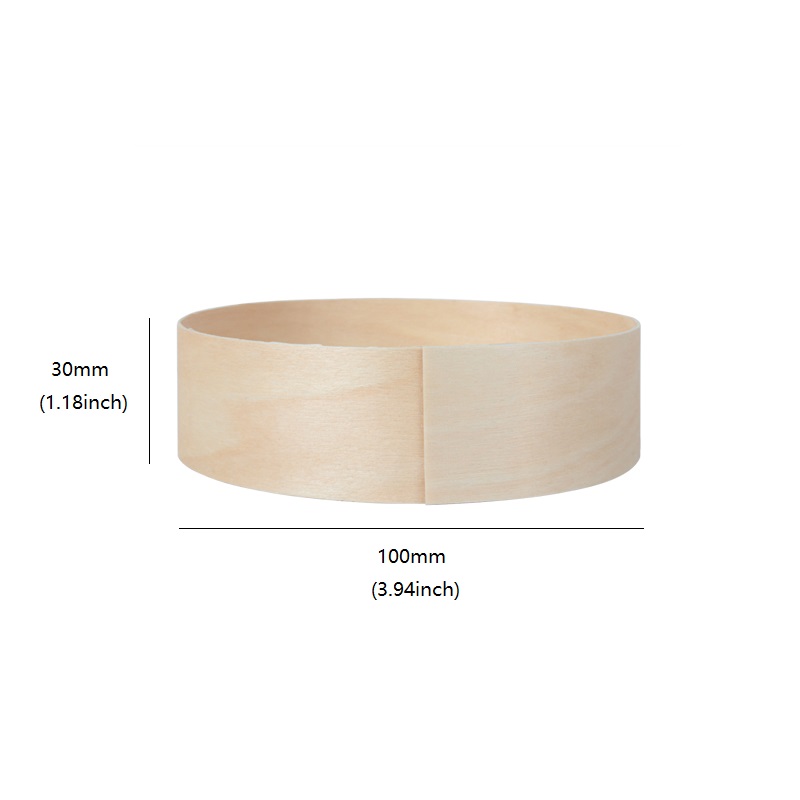
- Wooden tray 4.6"x4.6"x1.2" with PET lid for hygienic display
- Disposable Chopsticks as a natural cutlery option
- Supports eco-friendly brand image
🌱 Environmental Regulations Driving Shift from Plastics to Wooden Packaging Solutions
New rules on plastic waste, recycling targets, and carbon footprints push companies to switch to wooden packaging and renewable materials by 2026.
Retailers, food brands, and logistics firms now review packaging portfolios and replace hard-to-recycle plastic boxes with certified wooden options.
1. Global Policy Impact on Packaging Choices
Countries in Europe, North America, and parts of Asia enforce stricter rules on plastic packaging, which accelerates adoption of wooden boxes and pallets.
- Ban on certain single-use plastics
- Taxes on non-recyclable materials
- Incentives for renewable packaging
2. Bar Chart: Wooden vs. Plastic Packaging Trend
The following chart illustrates an example trend of wooden box demand rising against plastic crates between 2022 and 2026.
3. Corporate Sustainability Targets
Major brands set clear packaging goals that favor wood because it is renewable, recyclable, and stores carbon during its life cycle.
| Target Type | Common Goal by 2026 |
|---|---|
| Recycled content | 50–70% of packaging |
| Fossil plastic cut | 30–50% reduction |
| Renewable share | More wood and paper |
4. Certification and Traceability
FSC and PEFC certificates help buyers prove legal and responsible wood sourcing, which is now required by many retailers and import laws.
- Traceable forest origin
- Reduced legal and reputational risk
- Higher acceptance in export markets
🏭 Innovations in Design, Durability, and Customization of Wooden Shipping Boxes
Producers improve wooden boxes with better joinery, coatings, and modular designs to cut costs and protect goods in complex global logistics.
Advanced customization also supports brand marketing and fast packing operations for e-commerce and export shipping.
1. Lightweight but Strong Structures
Engineers use smarter panel thickness and corner design to reduce weight while keeping strength, lowering shipping and handling costs.
- Optimized wood species mix
- Reinforced edges and corners
- Improved nail and screw patterns
2. Moisture and Pest Protection
Heat treatment, fumigation-free processes, and water-resistant coatings make boxes safer for export and longer storage.
| Solution | Main Benefit |
|---|---|
| Heat-treated wood | ISPM 15 export compliance |
| Sealants and films | Lower moisture damage |
| Lining options | Extra hygiene and cleanliness |
3. Branding and Retail-Ready Designs
Custom printing, laser engraving, and retail-ready shapes turn shipping boxes into display pieces, adding marketing value.
- Logos and QR codes on panels
- Gift-ready lids and inserts
- Easy-open, reusable closures
📊 Regional Market Outlook and Growth Opportunities Through 2026 Forecast Period
Regional wooden box demand will grow at different speeds, driven by local rules, export activity, and consumer interest in eco-friendly packaging.
Producers that adapt box designs and certification to each region can win long-term contracts and stronger market share.
1. Europe: Fast Adoption Driven by Regulation
Europe shows strong growth as brands react to strict waste laws and high consumer interest in sustainable packaging.
- High demand from food and cosmetics
- Preference for certified wood
- Focus on reusable designs
2. Asia-Pacific: Export-Led Expansion
Asia-Pacific plants supply wooden shipping boxes for electronics, machinery, and food exports, supporting rapid volume growth.
| Country/Region | Key Driver |
|---|---|
| China | Manufacturing exports |
| Japan | High-quality standards |
| Southeast Asia | Rising food exports |
3. North America: E-Commerce and Industrial Demand
North America sees stable growth from e-commerce, industrial equipment, and premium gift packaging using wooden boxes.
- Adoption in subscription boxes
- Use in craft beverages and wine
- Support from green purchasing policies
🏅 How Takpakwood Strengthens Supply Chains with Reliable Wooden Box Packaging
Takpakwood focuses on consistent quality, smart design, and on-time delivery, helping brands cut damage rates and improve packaging sustainability.
By offering flexible sizes and custom features, Takpakwood supports both small batches and large export shipments.
1. End-to-End Packaging Support
Takpakwood works with clients to design, test, and supply wooden boxes that match product weight, route risks, and branding goals.
- Design consultation and sampling
- Load and stacking recommendations
- Export documentation support
2. Quality Control and Compliance
Strict inspections and compliance with global standards ensure wooden boxes perform well in tough shipping conditions.
| Control Step | Purpose |
|---|---|
| Material checks | Stable wood quality |
| Dimension checks | Fit with pallets and containers |
| Treatment records | ISPM 15 and import approvals |
3. Flexible Production and Fast Lead Times
Takpakwood’s scalable production lines help brands respond quickly to seasonal peaks and new market launches.
- Support for urgent orders
- Custom branding options
- Stable supply for long-term contracts
Conclusion
The wooden box packaging market will keep growing through 2026 as brands move away from plastics, improve sustainability, and search for stronger transport protection.
Innovative designs, regional growth, and partners like Takpakwood will play a key role in building safer, greener, and more efficient supply chains worldwide.
Frequently Asked Questions about wooden box
1. Why choose wooden box packaging over plastic or cardboard?
Wooden boxes offer higher strength, better stacking, and longer reuse. They support eco goals, protect heavy goods, and give products a premium, natural look.
2. Are wooden shipping boxes suitable for international exports?
Yes. When made with heat-treated wood that meets ISPM 15 rules, wooden boxes are widely accepted for global shipping and customs clearance.
3. Can wooden boxes be customized for branding and size?
Manufacturers can adjust dimensions, thickness, inserts, and closures. They can also add laser logos, color prints, and labels to match your brand.
4. Are wooden packaging solutions environmentally friendly?
When sourced from responsibly managed forests, wooden packaging is renewable, reusable, and recyclable, and it can reduce reliance on fossil-based plastics.
5. What industries benefit most from wooden box packaging?
Key users include food and beverage, cosmetics, industrial equipment, e-commerce, and gift packaging, where strength, safety, and premium image are important.
Post time: 2026-02-03 17:25:03


 Privacy settings