
Understanding compostable packaging Standards
In a world rapidly becoming more eco-conscious, compostable packaging offers an ideal solution to the mounting waste problem. Two pivotal standards for compostability are ASTM D6400 and D6868, which dictate that products must biodegrade in a commercial composting facility within 180 days. These standards ensure the product must not leave any toxic residue, reinforcing its environmental safety. Suppliers aiming for credibility must adhere to these standards, demonstrating the viability of their products for wholesale distribution.
Biodegradability vs. Compostability
While both terms are often used interchangeably, they signify different processes. Biodegradability refers to the breakdown of materials by microorganisms without specifying the time or environment. Compostability is more stringent, requiring complete decomposition in a specific timeframe under ideal composting conditions. Factories must ensure their products meet compostable standards to market effectively and to pass rigorous certification tests.
Materials Used in Compostable Packaging
Compostable packaging is crafted from plant-based materials such as polylactic acid (PLA) derived from cornstarch or polyhydroxyalkanoates (PHA) sourced from vegetable oils. These materials decompose under controlled conditions, turning into useful compost rather than contributing to landfill waste. Wholesale providers often prefer these materials due to their sustainable profile, catering to environmentally responsible consumers.
Comparative Analysis of Compostable Materials
- PLA: Ideal for items requiring transparency and rigidity, often used in cups and food containers. It is biodegradable but requires industrial composting conditions.
- PHA: Offers flexibility and is typically used in films and bags. Its ability to degrade in various environments makes it a preferred choice for suppliers focusing on efficiency and versatility.
The Importance of Certification in Compostable Products
Certification is a critical aspect determining a product's authenticity and environmental impact. The Biodegradable Products Institute (BPI) and TÜV OK Compost are leading certifiers, ensuring products meet the necessary ASTM standards. Suppliers and factories prioritizing these certifications ensure consumer trust and compliance with legal regulations, essential for sustainable business growth.
Impact of Certification on Marketability
Certifications not only guarantee environmental safety but also influence market demand. Products without certification struggle to gain supplier credibility and consumer acceptance. Thus, investing in certification is crucial for any wholesale or retail business entering the compostable packaging market.
Common Types of Compostable Packaging
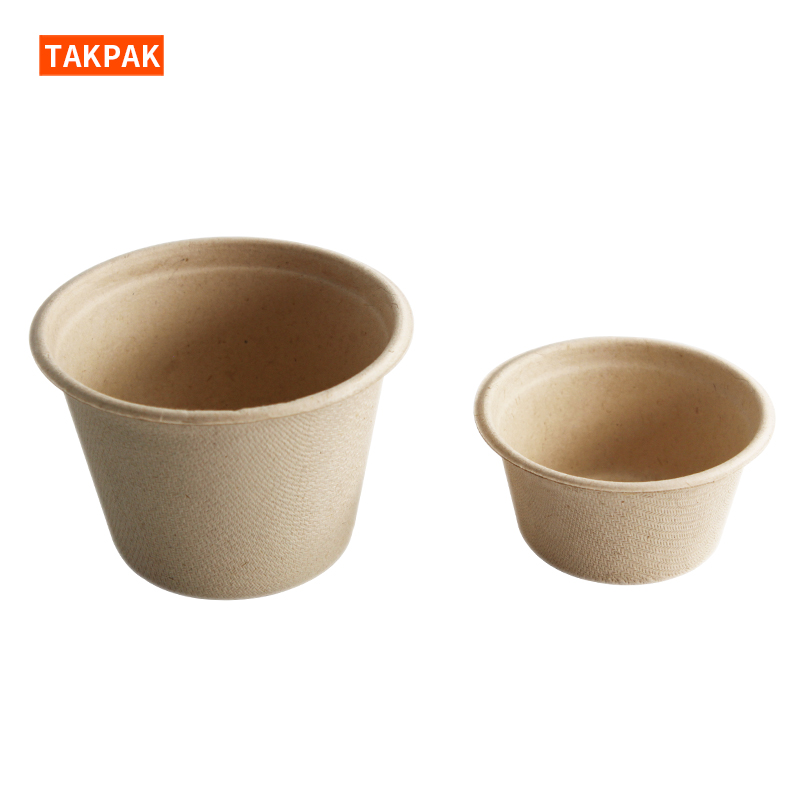
Restaurants and food businesses predominantly use compostable packaging for take-out services. This includes an array of products such as cups, plates, containers, and cutlery. By leveraging these, businesses can significantly reduce their environmental footprint, catering to the growing consumer demand for sustainable solutions.
Wide Range of Applications
- Cups and Plates: Designed for sturdiness and leakage prevention, often lined with PLA for waterproofing.
- Containers: Used for food storage and delivery, these ensure food safety while promoting environmental responsibility.
The Role of Commercial Composting Facilities
Commercial composting facilities are essential to the life cycle of compostable products. They provide the optimal conditions necessary for the breakdown of compostable materials into nutrient-rich soil. However, these facilities are not ubiquitous, which poses a challenge for packaging suppliers committed to sustainability.
Geographic Disparities in Facility Availability
The presence of commercial composting facilities varies dramatically geographically, influencing the practicality of compostable packaging use across regions. Suppliers and manufacturers are encouraged to collaborate with local governments to expand facility availability, enhancing the domestic composting infrastructure.
Benefits of Using Compostable Packaging
Compostable packaging plays a pivotal role in reducing landfill contributions and lowering carbon footprints. Businesses that integrate these solutions can appeal to eco-conscious consumers, enhancing brand reputation and market share. Furthermore, compostable options often reduce waste management costs, providing further economic benefits.
Environmental and Economic Impacts
Estimates suggest that transitioning to compostable packaging could potentially divert over 70% of packaging waste from landfills, substantially benefiting environmental conservation efforts. By minimizing waste disposal costs, businesses can also improve their bottom line, making a compelling case for suppliers focused on long-term sustainability.
Challenges in Adopting Compostable Packaging
Despite its benefits, compostable packaging adoption faces challenges such as higher production costs and limited consumer awareness. Furthermore, the lack of infrastructure for composting facilities in certain regions hinders broader implementation, especially for wholesale suppliers aiming to offer comprehensive solutions.
Overcoming Adoption Barriers
Innovative approaches such as government incentives, public awareness campaigns, and collaborative supplier networks can bolster the adoption of compostable packaging. By addressing these barriers, stakeholders can facilitate a smoother transition towards sustainable packaging solutions.
Cost and Logistics of Compostable Packaging Solutions
Balancing cost-effectiveness with sustainability is a crucial aspect for suppliers and manufacturers. The production of compostable packaging, while initially more expensive than traditional options, often results in long-term savings through waste reduction and improved brand image. Efficient logistics further streamline the supply chain from factory to consumer.
Strategies for Cost Management
- Bulk purchasing and efficient logistics planning can mitigate upfront costs, making compostable packaging more competitive and accessible to wholesale markets.
Future Trends in Compostable Packaging
The future of compostable packaging is poised for significant growth as global awareness increases. Emerging technologies are expected to enhance material properties, reduce costs, and improve composting infrastructure accessibility. Suppliers and factories invested in research and development will likely benefit from these advancements.
Impact of Innovation on Market Dynamics
Innovations in materials science and increased collaboration among environmental organizations and industry leaders are anticipated to drive market trends, fostering a more sustainable future for packaging worldwide.
Takpakwood Provide Solutions
Takpakwood is committed to offering innovative, sustainable packaging solutions that align with global compostability standards. By partnering with certified suppliers, we ensure our products meet stringent environmental criteria, providing peace of mind to consumers and businesses alike. Our comprehensive approach, from production to logistics, guarantees high-quality, cost-effective solutions tailored to meet the needs of various industries. Explore our range of compostable packaging options to join us in our vision for a cleaner, greener planet.

Post time: 2025-06-26 17:18:02





 Privacy settings