
Introduction to Paper Bag Manufacturing
● Historical Evolution of Paper Bags
Paper bags have a rich history that dates back to the 1800s, with the invention of the first paper bag-making machine by Francis Wolle. Over the years, paper bags have evolved from simple envelope-like designs to the more efficient square-bottomed bags introduced by Margaret Knight. This evolution has been driven by the need for more practical, durable, and cost-effective packaging solutions. Today, paper bags are preferred over traditional jute or burlap sacks for their portability and economic efficiency. Technology has significantly advanced the manufacturing process, allowing for mass production of paper bags with minimal waste and cost, thus making them a staple in the packaging industry.
● Comparison with Other Packaging Materials
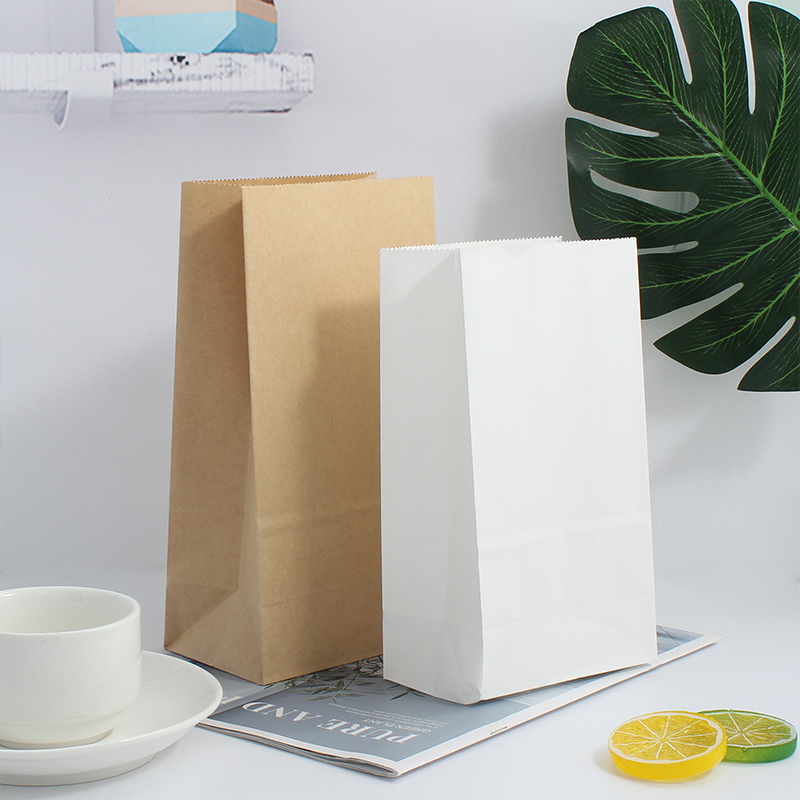
When comparing paper bags to other packaging materials, several factors come into play, including cost, environmental impact, and functionality. Unlike plastic bags, paper bags are biodegradable and can be recycled, making them an eco-friendly option. This has increased the demand for wholesale custom paper bags as businesses seek sustainable packaging solutions. Paper bags also offer customization options that are not as easily achievable with other materials, allowing companies to create unique branding opportunities. As a custom paper bags manufacturer, the ability to offer tailored designs and sizes is crucial in meeting diverse consumer needs.
Raw Material Preparation for Paper Bags
● Types of Wood Used in Paper Production
The paper manufacturing process begins with the selection of raw materials. Typically, wood is the primary source, and different types of wood may be used depending on the desired qualities of the paper. Softwoods, such as pine, are preferred for their long fibers, which contribute to the strength of the paper. Hardwoods, on the other hand, provide shorter fibers, which enhance the paper's smoothness and printability. As a custom paper bags factory, the selection of the right type of wood is vital to ensuring the production of high-quality paper bags that meet customer specifications.
● Debarking and Chipping Processes
Once the appropriate wood type is selected, the next step involves debarking and chipping. The debarking process removes the bark from the wood, which can otherwise introduce impurities into the pulp. This is usually done by tumbling the wood in large drums with wash water. The debarked wood is then processed through a chipper to produce uniform chips. These chips are then cleaned and stored, ready for the next stage of production. At a custom paper bags supplier, ensuring the high quality of wood chips is essential in maintaining the integrity and strength of the final product.
Fiber Separation Process Explained
● Role of the Digester in Pulp Processing
The fiber separation process involves cooking the wood chips in a digester, a large pressure cooker that breaks down the lignin binding the fibers. The kraft pulping method, a widely used process in paper manufacturing, employs chemicals like sodium hydroxide and sodium sulfide to facilitate this separation. The digester operates under high pressure and temperature, ensuring the fibers are adequately separated while the lignin is dissolved. This step is critical in producing a strong and durable paper, a hallmark of any reliable custom paper bags factory.
● Chemical Treatments Used for Fiber Separation
Chemical treatments are vital in the fiber separation process to ensure the paper retains its strength and durability. The chemicals used help dissolve lignin and other extractives from the wood, which can weaken and discolor the paper if not removed. Once the pulp is discharged from the digester, it undergoes extensive washing and screening to eliminate residual chemicals and impurities. For a custom paper bags manufacturer, maintaining precise control over this process ensures the production of high-quality bags that meet industry standards.
Bleaching Techniques in Papermaking
● Steps Involved in the Bleaching Process
Bleaching is a crucial step in papermaking, especially for producing white or light-colored papers. The process involves several stages, including chlorination, oxidation, and extraction, each designed to remove any remaining lignin from the fibers. These steps are carefully monitored to ensure the paper achieves the desired brightness and whiteness. For a custom paper bags supplier, offering a variety of paper colors and finishes is a key component in meeting the diverse needs of clients.
● Chemicals and Their Environmental Impact
The selection of bleaching chemicals is influenced by factors such as cost, the type of pulp, and environmental considerations. While traditional bleaching methods rely heavily on chlorine-based chemicals, modern processes are increasingly utilizing oxygen, ozone, and hydrogen peroxide, which are less harmful to the environment. As a responsible custom paper bags factory, employing eco-friendly bleaching techniques aligns with the growing consumer demand for sustainable packaging solutions.
Detailed Papermaking Procedures
● Mixing Pulp with Additives for Strength
Once the pulp is bleached, it is mixed with various additives to enhance its strength and properties. Fillers such as calcium carbonate and clay are added to increase the paper's opacity and density. Additionally, dyes and optical brighteners may be used to achieve specific color and brightness levels. This mixture is then refined and fed into the paper machine, where it is formed into sheets. As a custom paper bags manufacturer, precision in this stage is critical to producing bags that are not only strong but also visually appealing.
● Machines and Technologies Used in Papermaking
Modern papermaking leverages advanced machinery and technologies to ensure efficiency and consistency. The paper machine is a complex system that removes water from the pulp and presses it into sheets. It involves various steps, including forming, pressing, drying, and finishing, each contributing to the final quality of the paper. For a custom paper bags supplier, investing in state-of-the-art equipment is essential in maintaining a competitive edge and meeting the high standards expected by customers.
Designing and Printing on Paper Bags
● Techniques for Cutting and Shaping Paper
After the paper sheets are formed, they are cut and shaped according to the specifications of the paper bag design. This involves precision cutting to ensure the bags meet client requirements, such as size and shape. The cutting process is followed by creasing, which facilitates easy folding and assembly. For a custom paper bags factory, the ability to offer a wide range of shapes and sizes is a significant advantage in catering to diverse market needs.
● Printing Methods and Design Application
Printing is a crucial aspect of paper bag manufacturing, allowing for customization and branding opportunities. Techniques like offset printing and digital printing are commonly used to apply designs and logos to the bags. These methods rely on fast-drying inks to ensure high-quality prints that do not smudge or fade. As a custom paper bags manufacturer, offering a variety of printing options enables businesses to create unique and engaging packaging that enhances their brand visibility.
Eyelet Punching and Creasing
● Importance of Handle Creation in Bags
Eyelet punching is a process used to create holes for handles in paper bags. This step is particularly important for bags intended to carry heavier items, as it provides additional strength and durability. The handles, whether made of rope or other materials, are attached securely through the eyelets. For wholesale custom paper bags, this feature is often a critical selling point, as it enhances the bag's functionality and appeal.
● Techniques for Creasing Paper for Folding
Creasing is an essential process in paper bag manufacturing, allowing for precise folding and assembly. The creasing lines act as guides, ensuring that the paper folds neatly and consistently. This step is crucial in maintaining the structural integrity of the bags, particularly for custom designs that may require unique folding patterns. As a custom paper bags supplier, providing expertly creased paper bags ensures client satisfaction and product reliability.
Ensuring Durability through Hard Pressing
● Double Layering for Strength Enhancement
To enhance the durability of paper bags, some manufacturers employ a double-layering technique. This involves pasting two sheets of paper together, creating a thicker and more robust material. The double-layering process is particularly beneficial for bags designed to carry heavy loads or provide additional protection. For a custom paper bags factory, offering durable bags is essential in meeting the practical needs of customers while maintaining aesthetic appeal.
● Adhesive Application and Pressing Techniques
The application of adhesive between paper layers is a critical step in ensuring a strong bond. This process involves spreading adhesive evenly across the surface and pressing the layers together using specialized machinery. The result is a seamless and durable product that can withstand significant stress. As a custom paper bags manufacturer, employing high-quality adhesives and pressing techniques is vital in producing reliable and long-lasting paper bags.
Final Assembly: Folding and Sticking
● Machines Involved in Assembly
The final assembly of paper bags involves combining all the separately processed components, such as the front, back, and side flaps. This is typically accomplished using a tubing machine, which draws in the components and bonds them together with adhesive. The machine's speed and precision are crucial in maintaining efficiency and consistency in production. For a custom paper bags supplier, the ability to produce high volumes of bags quickly and accurately is a competitive advantage.
● Different Folding and Sticking Techniques
Various folding and sticking techniques are employed to ensure the paper bags are assembled correctly and securely. Depending on the design, additional layers may be added for the bottom, providing extra strength where needed. Careful attention to detail during this stage ensures that the bags meet the quality expectations of customers. As a custom paper bags factory, offering a variety of assembly options allows for flexibility in design and functionality, catering to a wide range of customer preferences.
Sustainability in Paper Bag Manufacturing
● Importance of Using Recyclable Materials
In today's environmentally conscious market, the use of recyclable materials in paper bag manufacturing is more important than ever. Paper bags are inherently more sustainable than plastic alternatives, as they are biodegradable and can be recycled. By using materials sourced from responsibly managed forests and incorporating recycled content, manufacturers can reduce their environmental footprint. As a custom paper bags supplier, prioritizing sustainability is not only a business imperative but also a societal responsibility.
● Eco-Friendly Practices in Production and Design
Implementing eco-friendly practices throughout the production and design process is crucial in minimizing environmental impact. This includes optimizing energy efficiency, reducing waste, and using water-based inks and adhesives. By embracing sustainable practices, manufacturers can contribute to a healthier planet while meeting the growing demand for environmentally friendly products. For a custom paper bags manufacturer, aligning with green principles enhances brand reputation and attracts eco-conscious customers.
Company Profile: Takpakwood
Takpakwood, operating under Suqian DAGOUXIANG Trading Co., LTD., is a leader in packaging solutions, specializing in customizable and eco-friendly products. As a subsidiary of Suqian Green Wooden Products Co., Ltd., Takpakwood leverages years of industry experience to offer a wide range of packaging materials, including paper, plastic, bamboo, and more. Committed to innovation and customer satisfaction, Takpakwood provides bespoke solutions that meet unique business needs. With a dedicated design and customer service team, Takpakwood ensures that every packaging solution is tailored to perfection, promoting sustainable practices and enhancing brand identity.
Post time: 2024-10-09 13:33:58

 Privacy settings