
Choosing the Right Container For Sushi
When it comes to transporting sushi without squishing it, selecting the correct container is crucial. The container must not only fit the sushi but also protect it from external forces. It should be sturdy and not easily compressed under moderate pressure. The material of the container can greatly affect these characteristics.
Material Considerations
Containers made from hard plastic or bamboo are generally preferred due to their durability and lightweight nature. These materials are capable of withstanding weight without collapsing, thus ensuring the sushi remains intact. Additionally, eco-friendly materials are becoming more popular among manufacturers, factoring sustainability into production processes.
Container Size Specifications
The container should be slightly larger than the sushi to allow for some movement but not so spacious that the sushi slides around. A clearance of 1-2 cm around the sushi is ideal to prevent squishing while avoiding excessive shifting. Suppliers ensure a variety of sizes to accommodate different quantities and types.
Layering Techniques to Protect Sushi
Layering is an effective method to safeguard sushi during transportation. It involves creating a protective cushion using various layers inside the container.
Base Layer Selection
A base layer that absorbs shock, such as bamboo leaves or soft cloth, can minimize impact. Such materials are typically recommended by factories specializing in sushi packaging, as they act as shock absorbers and maintain sushi aesthetics.
Top and Side Protection
Adding a protective layer on top, such as a thin film of plastic or wax paper, can prevent direct contact with the lid. Foam or soft partition dividers along the sides can further secure the sushi, reducing lateral movement.
Optimal Placement for Different Sushi Types
Understanding the distinct properties of various sushi types can guide their placement within a container, reducing the risk of squishing.
Placement of Roll Sushi
- Position roll sushi vertically for added stability.
- Line different rolls side by side to prevent them from toppling over.
Positioning Nigiri and Sashimi
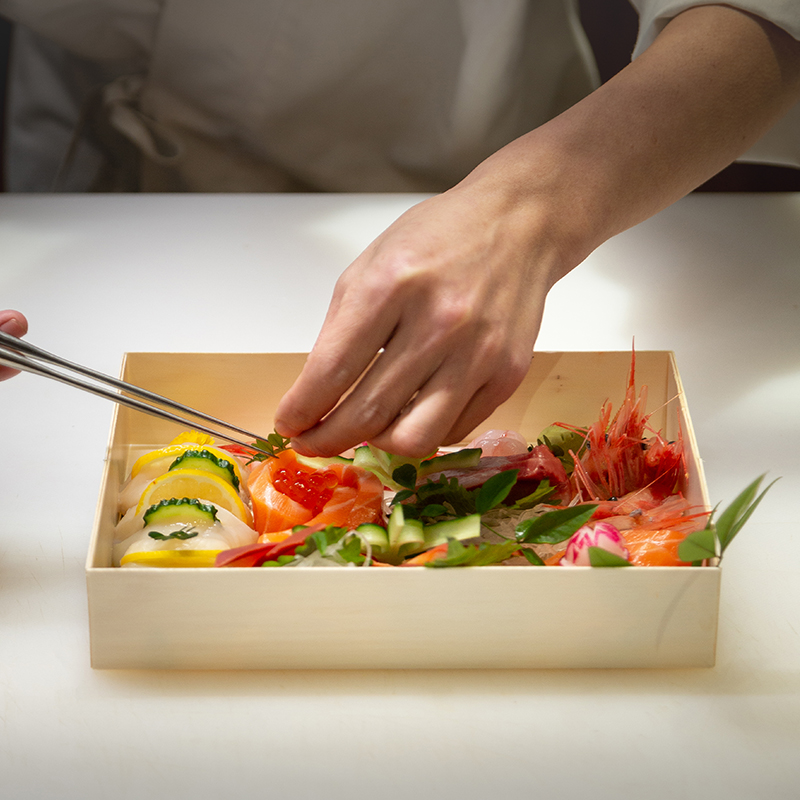
Nigiri is best placed horizontally and in a single layer to avoid pressure from stacking. Sashimi should be laid flat and separated by thin sheets of plastic or bamboo leaves to avoid sticking.
Securing Sushi with Nori and Other Wraps
Ensuring that sushi stays intact involves securing it with nori or other suitable wraps, which factories specialize in producing for optimal flexibility and strength.
Utilizing Nori Wraps
Nori acts as a barrier, keeping rice and ingredients together. By wrapping sushi tightly, the chances of squishing reduce significantly. Suppliers focus on producing nori that is both palatable and strong enough to hold sushi together during transit.
Alternative Wraps
Soy paper and rice wraps are also viable alternatives, particularly for variations that require a softer texture. Manufacturers focusing on these materials ensure they are both functional and visually appealing.
Maintaining Moisture Levels in the Container
Moisture can affect sushi's integrity, potentially leading to squishing if not managed properly.
Humidity Control
Using moisture-absorbent packets provided by suppliers can help maintain the right humidity levels inside the container. This prevents the sushi from becoming too wet, which could lead to squishing.
Airtight Seals
Containers with airtight seals are preferred to manage moisture levels effectively, reducing the chance of both drying out and excess moisture. Factories have developed sealing mechanisms to enhance this feature.
Utilizing Dividers and Compartments
Dividers and compartments can significantly reduce the risk of sushi being squished by preventing movement within the container.
Compartmental Design
Dividers provided by manufacturers help organize sushi neatly, allocating each piece its own space. This prevents the pieces from colliding and getting squished.
Customizable Compartments
Adjustable dividers can accommodate various sushi sizes and types, offering flexibility in arrangement. Factories often produce customizable containers for specific client needs.
Understanding Stackability and Weight Distribution
Proper stacking and weight distribution are vital to preventing squishing, especially during transport.
Even Distribution
Distribute the weight evenly across the container to avoid uneven pressure points that might lead to squishing. Containers designed by specialized suppliers typically feature weight distribution guides.
Avoid Overstacking
Limit stacking to two layers if necessary, using a firm separator between layers. Manufacturers often provide guidelines on optimal stacking to maintain sushi integrity.
Temperature Control for Freshness
Temperature not only affects freshness but also the structural integrity of sushi. Proper management is essential.
Cooler Packs
Incorporating cooler packs specifically developed for sushi transport can maintain lower temperatures that preserve freshness without altering the texture.
Temperature-Resilient Containers
Suppliers often offer containers made from temperature-resilient materials that can maintain consistent internal conditions, thereby aiding in the prevention of squishing.
Decorative Arrangements Without Compromising Form
Artistic presentation should not compromise the sushi's structural integrity. Decorative arrangements should be both aesthetically pleasing and functional.
Themed Presentation
Use edible garnishes like shiso leaves or bamboo sheets that also provide protection to the sushi, demonstrating creativity without risking structural damage.
Color Coding
Implementing color-coded sections within the container can enhance visual appeal while maintaining organization. Supplier options frequently include customizable color sections for this purpose.
Final Checks Before Closing the Container
Before sealing the container, conduct a thorough check to ensure all preventive measures are in place.
Secure Fit Verification
Ensure the lid fits securely without applying extra pressure to the contents. Manufacturers often supply containers with security locks that can confirm a safe fit.
Pre-Transport Testing
Gently shake the container to test movement. If excessive shifting occurs, readjust as necessary. This testing is crucial to prevent any squishing during actual transport.
Takpakwood Provide Solutions
Takpakwood offers comprehensive solutions for ensuring the safe transport of sushi. With innovative container designs focusing on durability and functionality, we cater to both manufacturers and suppliers seeking optimal packaging. Our eco-friendly materials and customizable compartments are engineered to protect your sushi while maintaining its presentation. Trust Takpakwood for packaging that aligns with industry standards and consumer expectations. 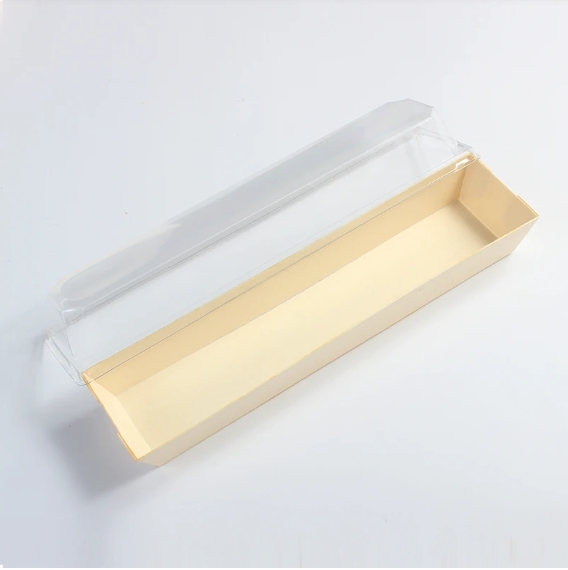
Post time: 2025-06-12 16:22:02


 Privacy settings