
Introduction to wood packaging for Food
As global awareness of environmental sustainability grows, industries are relentlessly exploring alternatives to conventional practices that have long dominated the market. One key area under transformation is food packaging. Traditionally, plastic has been the material of choice for packaging food products due to its durability and cost-effectiveness. However, the environmental toll of plastic—characterized by its long decomposition time and potential harm to marine and terrestrial ecosystems—has prompted a shift towards more sustainable options. Enter wood packaging as a promising alternative. Made from wood, a renewable resource, this packaging solution not only aligns with sustainability goals but also offers a myriad of benefits that enhance food preservation and freshness. For businesses, wholesalers, and wood packaging manufacturers, the adoption of wood packaging is an investment in both the planet and product quality.
Sustainability of Wood as a Packaging Material
● Renewable and Biodegradable Properties
Wood packaging stands out due to its renewable nature. Unlike finite resources such as petroleum, used in plastic production, wood can be sustainably harvested and replanted. This cyclical process significantly mitigates the depletion of natural resources. Furthermore, wood packaging is biodegradable; it decomposes naturally, reducing waste accumulation in landfills. For wholesale wood packaging suppliers, this sustainability aspect not only aligns with consumer expectations but also aligns with global policies aimed at minimizing environmental impact.
● Lower Energy Requirements
The production of wood packaging requires significantly less energy compared to its plastic counterparts. This contributes to a reduced carbon footprint, which is a critical consideration for companies striving towards eco-friendly practices. Wood packaging factories, therefore, find themselves at an advantageous position, as they can harness efficient production methods to cater to the increasing demand for sustainable food packaging solutions.
Safety Benefits of Wood in Food Packaging
● Non-Toxic Characteristics
One of the paramount concerns in food packaging is safety. Plastic, despite its widespread use, poses risks due to potential chemical leaching into food products. Wood, in contrast, is inherently non-toxic. It contains no harmful additives, ensuring that it acts as a safe barrier for food. Wood packaging suppliers are keen to highlight this benefit to consumers who prioritize food safety as part of their purchasing criteria.
● Natural Antimicrobial Qualities
Wood naturally possesses antimicrobial properties. This attribute not only contributes to maintaining food freshness but also plays a vital role in inhibiting bacterial growth. For fresh produce, meat, poultry, and other perishable items, using wood packaging can extend shelf life by maintaining hygiene standards. This makes wood packaging an attractive choice for food businesses and wood packaging manufacturers focusing on food safety and quality.
Versatility of Wood-Based Packaging
● Suitable for Diverse Food Products
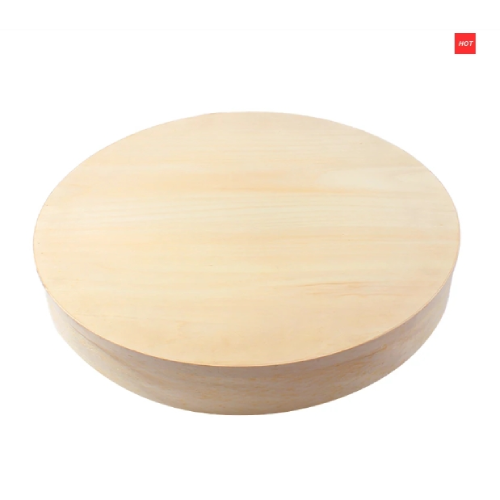
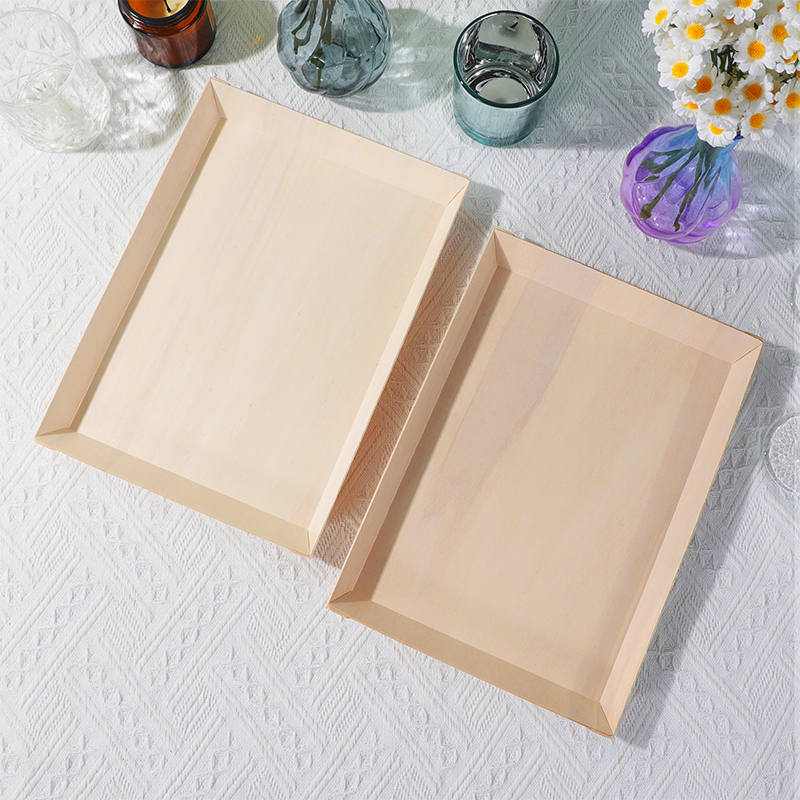
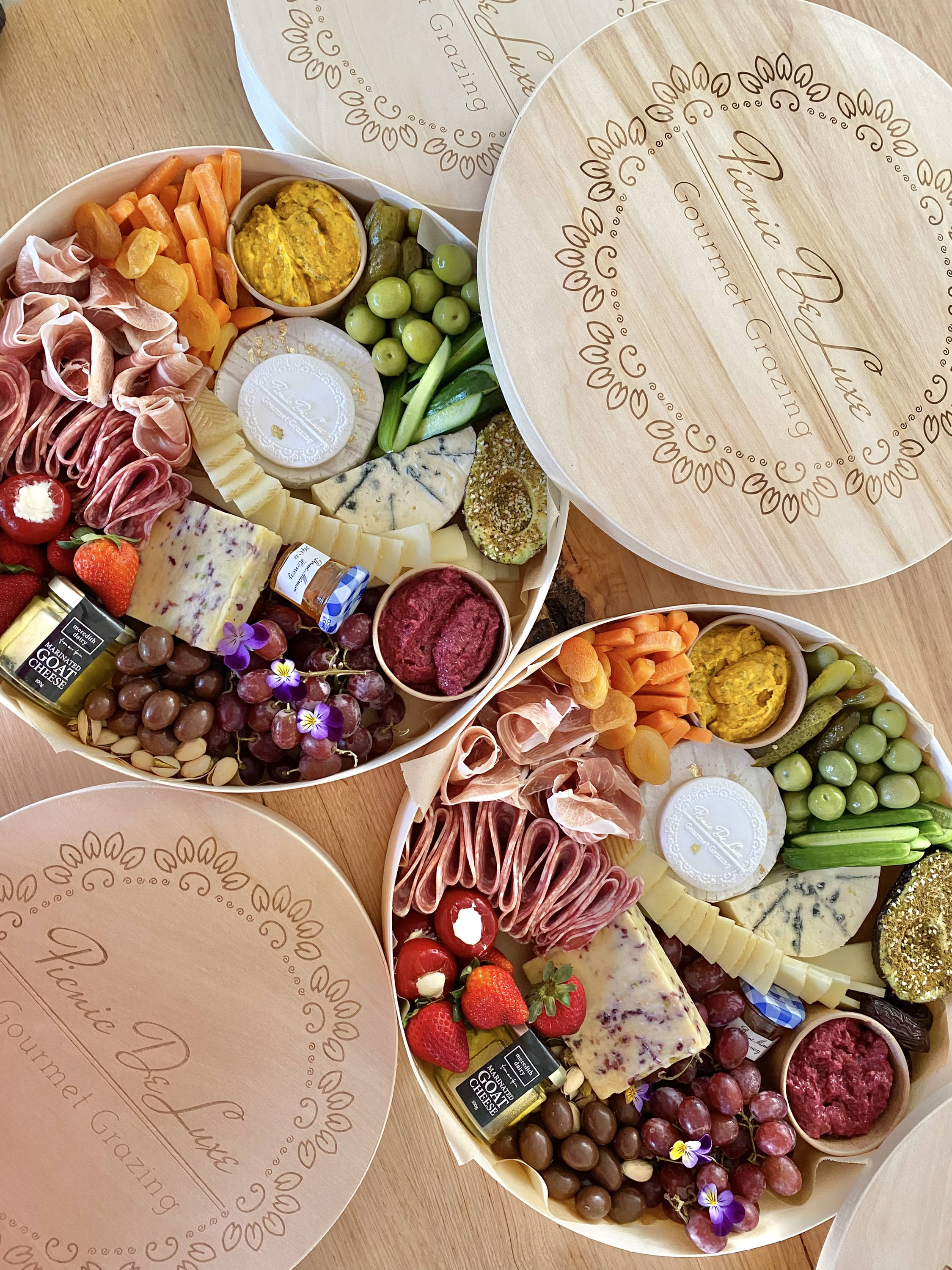
Wood packaging's versatility is one of its standout features. It can be crafted into various shapes and sizes, making it suitable for a wide range of food products. Whether it's fresh produce, baked goods, or even gourmet delicacies, wood packaging can be tailored to meet specific needs. Wood packaging manufacturers can customize their products to cater to both small artisanal shops and large-scale distributors, ensuring all requirements are met.
● Customizable for Branding
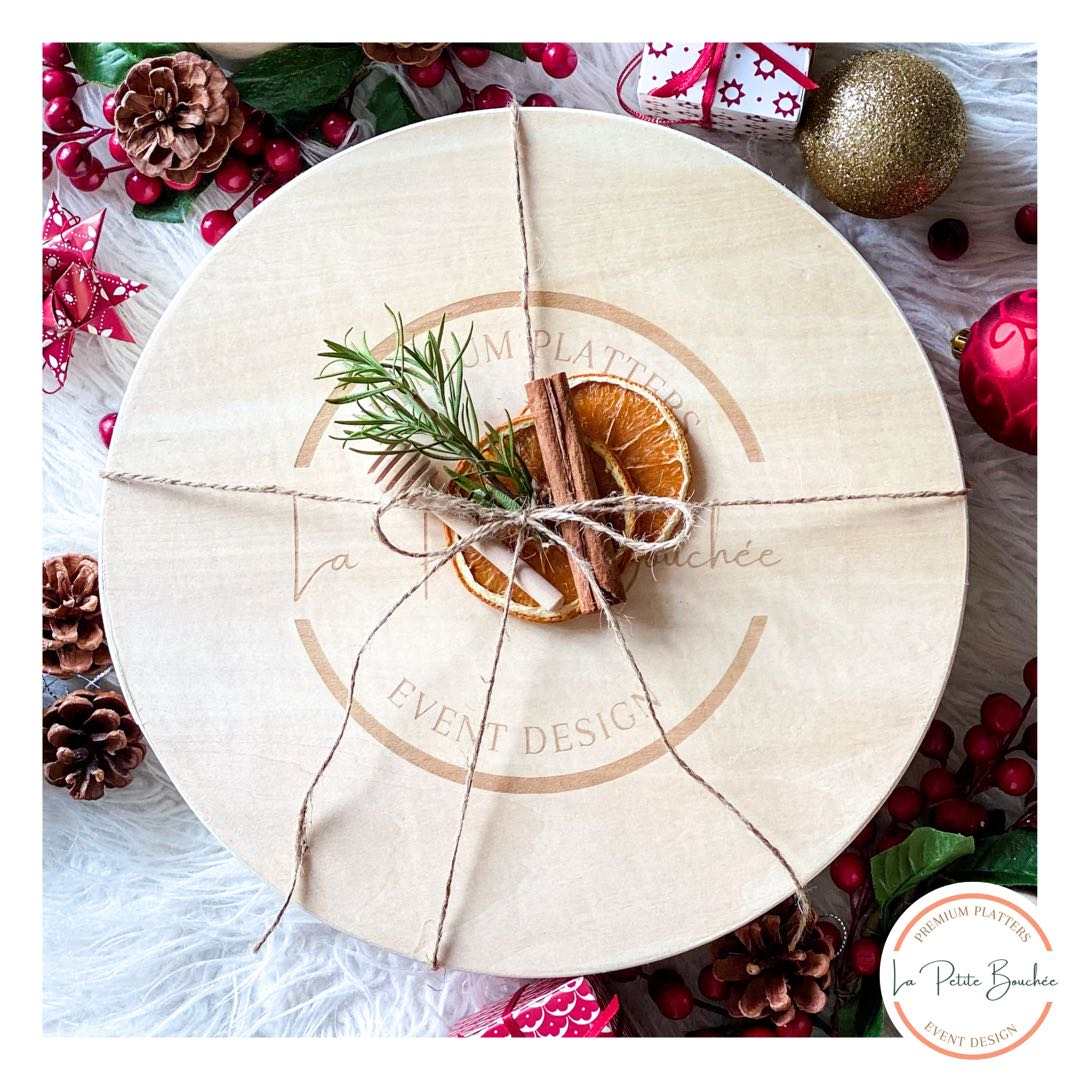
In today's market, packaging is not just about protection; it's also a powerful marketing tool. Wood packaging can easily be customized with branding and logos, allowing companies to enhance their product's visual appeal and brand identity. For wholesale wood packaging suppliers, offering bespoke solutions can differentiate them in the competitive packaging industry, providing customers with unique and marketable presentation options.
Aesthetic Advantages of Wood Packaging
● Rustic and Natural Appearance
The aesthetic appeal of wood packaging cannot be overstated. Its natural, rustic look adds a touch of elegance and authenticity that synthetic materials can't replicate. This visual appeal is particularly important for brands that emphasize quality and tradition, such as artisanal food producers. Wood packaging manufacturers leverage these aesthetic properties to appeal to consumers looking for premium and environmentally responsible products.
● Enhanced Product Presentation
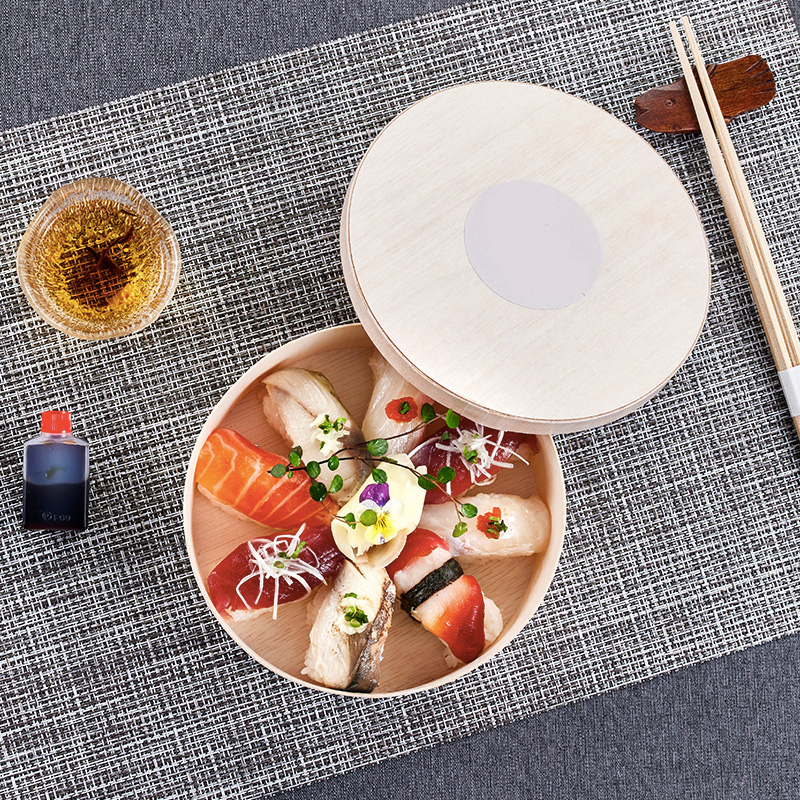
Packaging plays a crucial role in the consumer experience, often serving as the first point of contact. Wood packaging elevates product presentation, making it more inviting and appealing on store shelves. This enhanced presentation can boost consumer perceptions and, consequently, sales. Businesses, therefore, have a vested interest in partnering with wood packaging suppliers to capitalize on these visual advantages.
Cost-Effectiveness of Wood Packaging
● Comparison with Other Eco-Friendly Materials
While wood packaging might be slightly pricier than plastic, it is more cost-effective than other eco-friendly alternatives such as glass or metal. The balance of cost versus environmental impact makes it an appealing option for businesses seeking sustainability without compromising on budget. Wood packaging factories are able to produce in large quantities, further driving down costs and making wood an economically viable choice for mass production.
● Economies of Scale in Production
As demand for sustainable packaging solutions rises, economies of scale come into play. Wood packaging manufacturers are able to streamline production processes, reducing costs and enhancing efficiency. This scalability benefits both suppliers and buyers, fostering an economic model where sustainable practices are not only feasible but profitable.
Enhancing Freshness with Wood Properties
● Breathability and Moisture Control
One of the subtle yet significant benefits of wood packaging is its breathability. Wood allows air circulation, which can be crucial for perishable items that require a balance of moisture control to maintain freshness. This natural property helps prevent spoilage and extends the shelf life of food products, making it an ideal packaging solution for fresh produce and baked goods.
● Impact on Shelf Life
By using wood packaging, businesses can reduce spoilage rates and improve food safety—a critical advantage in the food industry. The natural insulation properties of wood, combined with its antimicrobial attributes, help maintain an optimal environment for food preservation. For wood packaging factories and suppliers, this advantage translates into a compelling selling point when approaching markets that prioritize food quality and longevity.
Environmental Impact of Wood Packaging
● Reduction in Carbon Footprint
The shift to wood packaging aids in significantly lowering the carbon footprint associated with food packaging. From reduced energy consumption during production to its biodegradable nature, wood packaging aligns with environmental goals at every stage of its lifecycle. Wholesale wood packaging suppliers are playing a pivotal role in this transition, advocating for the environmental benefits that come with embracing wood as a primary material.
● Contribution to Circular Economy
Wood packaging supports the principles of a circular economy by promoting recycling and reducing waste. By investing in wood packaging solutions, businesses contribute to this sustainable model, helping minimize ecological impact while supporting renewable resource utilization. This alignment with circular economy principles is a key selling point for wood packaging manufacturers working to shape the future of packaging solutions.
Market Trends in Wood Packaging Adoption
● Increasing Popularity Among Businesses
The rising popularity of wood packaging among businesses is a testament to its numerous advantages. Companies are increasingly recognizing the value of wood as a durable, sustainable, and aesthetically pleasing material. This trend is reflected in the growing demand experienced by wood packaging manufacturers and suppliers, who are expanding their offerings to accommodate a broader range of industries.
● Influence on Consumer Purchasing Decisions
Consumers are driving the demand for more sustainable packaging solutions. As awareness of environmental issues grows, so does the preference for products packaged in eco-friendly materials. Businesses that adopt wood packaging often see an uptick in consumer interest, as it aligns with modern values of sustainability and responsibility. Wholesale wood packaging suppliers are capitalizing on this trend, positioning wood as the material of choice for conscientious consumers.
Conclusion: Future of Wood in Food Packaging
● Summary of Benefits
In conclusion, wood packaging emerges as a multifaceted solution for the modern food industry. Its sustainability, safety, versatility, aesthetic appeal, and cost-effectiveness make it a compelling choice for businesses seeking to enhance their food products' freshness and presentation. As the market continues to evolve, wood packaging manufacturers and suppliers must remain at the forefront, innovating and adapting to meet the demands of an increasingly eco-conscious consumer base.
● Prospects for Wider Adoption
The future of wood packaging looks promising, with growing recognition of its benefits across different sectors. As technology advances and production methods improve, wood packaging is poised to become more accessible and cost-effective, further encouraging its adoption on a larger scale. For businesses invested in sustainable practices, embracing wood packaging represents a commitment to quality, innovation, and environmental stewardship.
Company Profile: Takpakwood
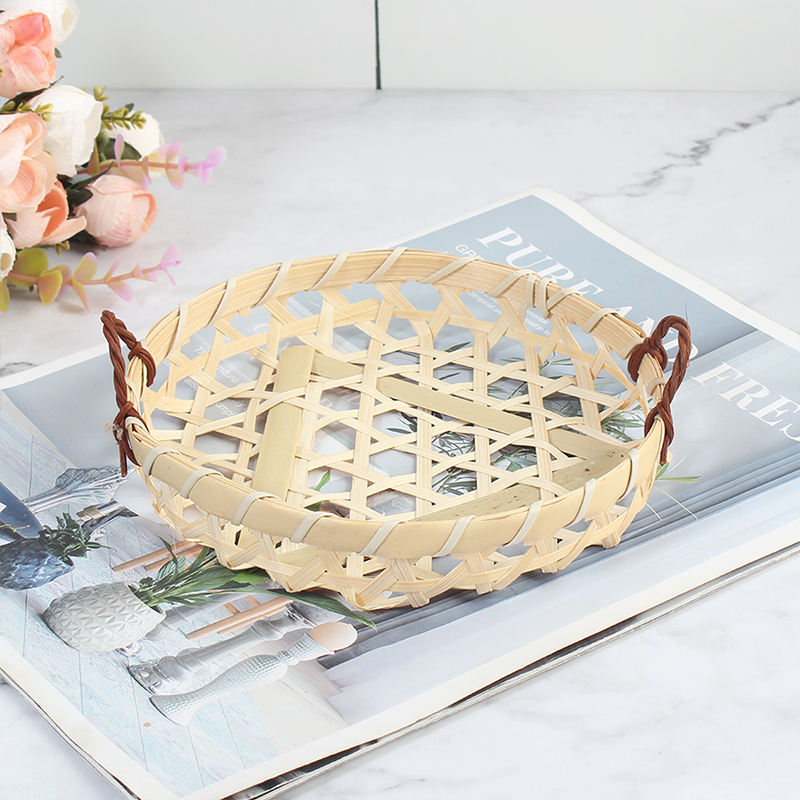
As part of the wood packaging solution landscape, Takpakwood stands out as a reputable name. Suqian DAGOUXIANG Trading Co., LTD., a subsidiary of Suqian Green Wooden Products Co., Ltd., specializes in the distribution and manufacture of packaging solutions. Established in 2002, our parent company excels in wooden food packaging development. At Takpakwood, we offer an extensive range of packaging options, including paper, plastic, bamboo, and ceramic, emphasizing customization and quality. Our strong design and customer service teams ensure tailored solutions, proudly providing eco-friendly, food-grade wood packaging to meet diverse client needs.
Post time: 2024-12-20 11:51:08
 Privacy settings