
When it comes to eco-friendly dinnerware, sugarcane plates stand out for their sustainability and convenience. But This article aims to explore the safety, benefits, and potential risks of microwaving sugarcane plates, with insights from various manufacturers, suppliers, and real-life users.
Introduction to Sugarcane Plates
● Definition and Uses
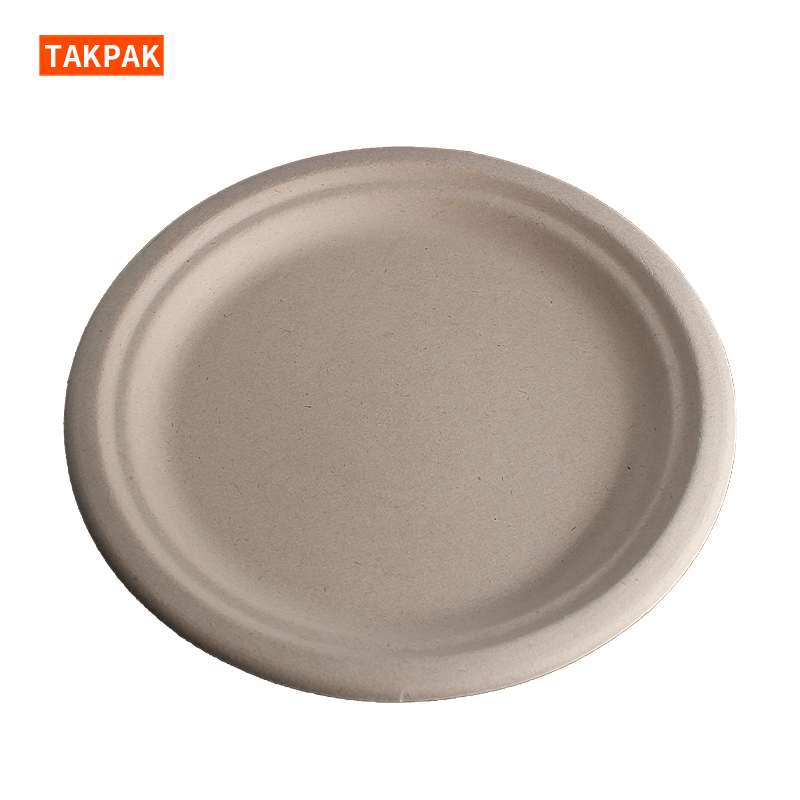
Sugarcane plates are made from the fibrous residue left after sugarcane stalks are crushed to extract their juice. Known as bagasse, this byproduct is repurposed into disposable plates that are environmentally friendly and biodegradable. Sugarcane plates are widely used in restaurants, catering services, and households that prioritize sustainable living.
● Popularity in Sustainable Living
The rising awareness about environmental issues has led to an increased demand for eco-friendly alternatives. Sugarcane plates fit this requirement perfectly. They decompose naturally, reducing landfills and offering a viable option for zero-waste lifestyles. Wholesale sugarcane plates are increasingly becoming popular among businesses as they strive to reduce their carbon footprint.
Material Composition of Sugarcane Plates
● Sugarcane Bagasse Overview
Bagasse is the byproduct left after sugarcane stalks are crushed to extract their juice. Traditionally considered waste, bagasse has found new life as a material for manufacturing various products, including sugarcane plates. The process involves mixing bagasse with water, forming a pulp that is molded into different shapes and dried.
● Eco-friendliness and Biodegradability
Sugarcane plates are not only biodegradable but also compostable. Unlike plastic or Styrofoam, which can take hundreds of years to degrade, sugarcane plates decompose within 60 to 90 days in a commercial composting facility. This makes them a preferred choice for environmentally conscious consumers and businesses alike.
Microwave Safety Basics
● General Microwave-safe Materials
Not all materials are safe for microwaving. The most common microwave-safe materials include glass, ceramic, and certain types of plastic. When it comes to sugarcane plates, the question of microwave safety involves understanding how these plates react to heat and whether they can withstand high temperatures without degrading or releasing harmful substances.
● Importance of Microwave Safety
Microwave safety is crucial to avoid accidents and health risks. Using non-microwave-safe materials can lead to the release of toxic chemicals, fires, or product breakdown. Therefore, it’s essential to ensure that any dinnerware you use in the microwave is explicitly labeled as microwave-safe.
Testing Sugarcane Plates in Microwaves
● Conducting Safety Tests
Several studies and tests have been conducted to determine the microwave safety of sugarcane plates. Laboratory tests typically involve subjecting the plates to various temperatures and durations to observe any changes in their physical structure or chemical composition. These tests are crucial for validating the manufacturers' claims about the microwave safety of their products.
● Real-life User Experiences
In addition to laboratory tests, real-life user experiences provide valuable insights. Many users have successfully microwaved sugarcane plates without any issues, while others have reported minor concerns, such as slight warping or softening. Collecting and analyzing these experiences can help in forming a well-rounded understanding of the microwave safety of sugarcane plates.
Manufacturer Guidelines for Microwaving
● Reading Product Labels
One of the first steps in determining if you can microwave sugarcane plates is to check the product label. Most manufacturers, suppliers, and sugarcane plates factories provide detailed instructions and safety warnings on their packaging. It’s essential to follow these guidelines to ensure safe usage.
● Following Manufacturer Instructions
Manufacturers often conduct rigorous testing to ensure their products meet safety standards. Therefore, following their instructions on microwaving sugarcane plates is crucial. If the label specifies a maximum temperature or duration, adhering to these limits can help avoid any potential risks.
● Temperature Limits
Most sugarcane plates can withstand temperatures up to 200 degrees Fahrenheit. However, prolonged exposure to high temperatures may compromise their structural integrity. It’s essential to keep within the specified temperature limits to avoid any issues.
Cleaning and Maintenance of Sugarcane Plates
● Cleaning Practices
Sugarcane plates are generally designed for single-use, but some robust models offer multiple-use options. Cleaning these plates involves rinsing them with mild soap and water. However, it’s advisable to avoid harsh scrubbing, which can weaken the plate’s structure.
● Longevity and Reuse Tips
While sugarcane plates are compostable and designed for limited use, following proper cleaning practices can extend their lifespan.
Conclusion: Best Practices
● Summary of Findings
Microwaving sugarcane plates is generally safe, provided that certain guidelines and temperature limits are adhered to. Laboratory tests and real-life user experiences suggest that these plates can withstand microwave heat to a reasonable extent. However, following strict manufacturer guidelines is crucial to ensuring safety.
● Final Recommendations for Consumers
Consumers should always read product labels and follow manufacturer instructions. Checking for microwave-safe certifications and conducting a visual inspection for any signs of damage before and after microwaving can help in making informed decisions.
Company Profile: Takpakwood
Suqian DAGOUXIANG Trading Co., LTD., a subsidiary of Suqian Green Wooden Products Co., Ltd. since 2002, specializes in the distribution and manufacture of diverse packaging solutions. Building on its parent company’s success, the firm offers an extensive range of eco-friendly packaging materials, including paper, plastic, bamboo, sugarcane pulp, and ceramic. Takpakwood, a brand under this company, excels in providing customized packaging solutions, ensuring food-grade safety through purely physical processing methods. As a leading supplier of sustainable packaging, Takpakwood is committed to meeting customer needs with high-quality, tailored solutions.
Post time: 2024-07-06 15:16:08

 Privacy settings