
Bamboo dinnerware has gained immense popularity as an eco-friendly alternative to traditional plastic or ceramic options. Its natural look and sustainable production make it an attractive option for those wanting to minimize their environmental footprint. A key question for potential users is: This article delves into the factors affecting its lifespan, maintenance tips, and the comparative advantages it offers over conventional materials. Additionally, we offer insights into wholesale bamboo dinnerware disposable options, including manufacturers and suppliers.
Introduction to Bamboo Dinnerware Longevity
● Definition and Advantages of Bamboo Dinnerware
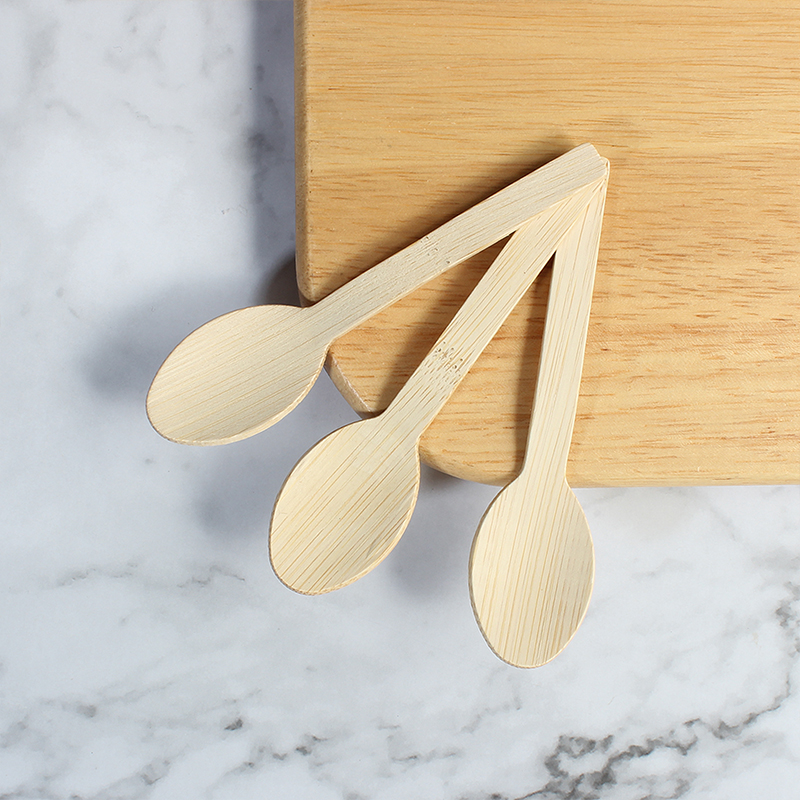
Bamboo dinnerware encompasses a range of dining essentials made from bamboo, including plates, bowls, and utensils. Known for its lightweight and biodegradable nature, bamboo dinnerware presents several advantages. It's typically more environmentally friendly, offering a renewable solution free from harmful chemicals often found in plastics. Importantly, bamboo dinnerware disposable materials are a hot topic among eco-conscious consumers and businesses. They provide a sustainable alternative to single-use plastics, making them ideal for those looking to lessen their environmental impact.
● Factors Affecting the Lifespan of Bamboo Dinnerware
The lifespan of bamboo dinnerware hinges on several factors, including the quality of the materials, the manufacturing process, and the care it receives. While bamboo is naturally durable, exposure to moisture and improper handling can shorten its life span. Nevertheless, with proper care, bamboo dinnerware can last significantly, making it an excellent investment for both personal use and restaurants seeking sustainable solutions.
Manufacturing and Material Quality
● Differences in Manufacturing Techniques
One primary determinant of durability in bamboo dinnerware is the method used in its production. High-quality bamboo dinnerware undergoes a rigorous manufacturing process that enhances its resilience. Wholesale bamboo dinnerware disposable manufacturers often employ advanced techniques to ensure a robust final product capable of withstanding routine use.
● Impact of Material Quality on Durability
The type of bamboo used, alongside how it's treated, influences the material's durability. Manufacturers sometimes use chemical treatments to enhance longevity, although this can detract from its eco-friendly core. It's advisable for consumers to seek suppliers or factories that guarantee high-quality, untreated bamboo products. This is crucial for ensuring both durability and environmental friendliness.
Usage Frequency and Wear
● How Regular Use Impacts Lifespan
Like any dinnerware, the frequency of use directly affects the longevity of bamboo dinnerware. Frequent use without proper maintenance can lead to accelerated wear. Bamboo items subjected to rigorous daily use in high-turnover environments, such as restaurants, may see a reduced lifespan compared to those used less frequently or in more controlled settings.
● Signs of Wear in Bamboo Dinnerware
Bamboo dinnerware usually exhibits signs of wear like any natural material. Common signs include discoloration, warping, or splitting, particularly when exposed to excessive moisture. Recognizing these early signs can help users take proactive steps, such as adjusting cleaning practices, to prolong the life of their dinnerware.
Environmental Conditions
● Effects of Humidity and Temperature
Environmental conditions, especially humidity and temperature, play a significant role in determining how long bamboo dinnerware lasts. Bamboo is sensitive to moisture, and prolonged exposure can lead to swelling and cracking. High temperatures, particularly in drying processes, may also compromise its integrity. To ensure longevity, bamboo dinnerware should be stored in a dry, stable temperature environment.
● Proper Storage Conditions to Extend Life
Proper storage significantly extends the life of bamboo dinnerware. It's advisable to keep these items in a cool, dry place away from direct sunlight. Using moisture absorbers in storage areas can also help manage humidity levels, preventing potential damage.
Cleaning and Maintenance Practices
● Recommended Cleaning Techniques for Longevity
Proper cleaning is vital to maintaining bamboo dinnerware. Hand washing with warm, soapy water is recommended, followed by drying with a soft towel. This method prevents water from penetrating the fibers, which can cause swelling or splitting over time. While some bamboo dinnerware disposable items may claim to be dishwasher-safe, prolonged exposure to high temperatures and water isn't advisable.
● Harmful Practices to Avoid
To preserve bamboo dinnerware's life span, avoid soaking items in water for extended periods. Similarly, using abrasive cleaners or scrubbing pads can damage the natural surface, leading to premature wear. Avoid microwaving or using them in conventional ovens, as extreme temperatures can compromise the material's structure.
Comparative Durability
● Bamboo Dinnerware vs. Plastic and Ceramic
When compared to plastic or ceramic, bamboo dinnerware disposables show a clear advantage in several areas. While ceramics offer durability, they're prone to chipping or breaking. Plastics, although resilient, pose environmental hazards due to their long decomposition period. Bamboo strikes a balance, offering sturdy, eco-friendly options that are less likely to shatter.
● Advantages of Bamboo in Terms of Durability
Bamboo's flexibility offers unique durability, allowing it to withstand falls that would crack ceramic. Its renewable nature means a smaller carbon footprint, which is a growing concern in global production and consumption patterns. When sourced from reputable manufacturers, bamboo dinnerware can provide the longevity needed to justify its investment.
Common Causes of Damage
● Impact of Moisture and Heat
Moisture is the most common cause of damage in bamboo dinnerware, as it can lead to swelling and warping. Heat exposure, particularly from dishwashers or hot food items, can also strain the material. Recognizing these factors early helps in implementing protective measures to extend its USEFUL life.
● Mechanical Wear and Tear
Daily use inevitably results in mechanical wear and tear. Bamboo dinnerware is less prone to suffering from severe damage but can accumulate surface scratches over time. Taking care to use non-metallic utensils can minimize wear, maintaining the dinnerware's aesthetic appeal and longevity.
Eco-Friendly Disposal and Recycling
● End-of-Life Options for Bamboo Dinnerware
Although durable, bamboo dinnerware eventually reaches the end of its life. One of its greatest advantages is its biodegradability, allowing it to decompose naturally without harming the environment. This positions bamboo dinnerware disposable options as an ethical choice over plastic, which persists for decades.
● Recycling and Composting Possibilities
While not all bamboo products are suitable for recycling, many can be repurposed or composted. Composting not only aids in waste reduction but also enriches soil with organic materials. Engaging with suppliers who emphasize product lifecycle sustainability ensures that bamboo dinnerware serves as a truly eco-friendly choice throughout its lifespan.
Consumer Tips for Maximizing Lifespan
● Best Practices for Everyday Use
Adopting best practices can significantly enhance the lifespan of bamboo dinnerware. This includes gentle handwashing and the use of soft cloths for drying. Regular oiling with food-grade oils can also maintain its sheen and prevent drying out.
● Maintenance Routines to Extend Durability
Implementing regular maintenance routines, such as monthly oiling and careful storage, ensures that bamboo dinnerware remains in good condition. Choosing manufacturers known for longevity-focused production can aid in selecting quality products that stand the test of time.
Conclusion and Environmental Impact
● Summary of Bamboo Dinnerware Benefits
In conclusion, bamboo dinnerware offers a sustainable and durable alternative to traditional materials. With proper care, it serves users well, providing a balance between practicality and environmental stewardship. From understanding the factors that affect its lifespan to implementing effective maintenance strategies, consumers can maximize the benefits offered by bamboo dinnerware disposable items, securing their place in sustainable living.
● Contribution to Sustainable Living and Waste Reduction
As society becomes increasingly aware of environmental impacts, bamboo dinnerware's role in reducing waste and promoting sustainability cannot be overstated. By choosing products from reputable manufacturers and suppliers committed to quality and sustainability, consumers contribute positively to environmental conservation efforts.
Takpakwood: A Trusted Bamboo Dinnerware Supplier
Suqian DAGOUXIANG Trading Co., LTD., operating under the brand name Takpakwood, exemplifies excellence in packaging solutions. As a subsidiary of Suqian Green Wooden Products Co., Ltd., established in 2002, Takpakwood specializes in the production and distribution of high-quality bamboo dinnerware. With a strong focus on customization and food-grade safety, the company leverages industry experience to offer innovative, environmentally friendly products that meet diverse customer needs. Embracing a commitment to sustainability, Takpakwood provides reliable and customizable bamboo packaging, affirming its status as a leader in eco-conscious manufacturing.

Post time: 2024-11-02 15:19:08


 Privacy settings