
In a world increasingly aware of the impact of human activities on the environment, every small change can contribute to a larger solution. One such change is the wise use of lunch box paper—a seemingly minor decision with significant ecological implications. In this comprehensive guide, we explore sustainable practices for utilizing lunch box paper, from choosing materials to recycling and community involvement. We also highlight the role of wholesale lunch box paper suppliers, manufacturers, and factories in fostering environmental responsibility.
Introduction to Sustainable Lunching
In today's fast-paced world, the convenience of disposable packaging often takes precedence over environmental considerations. Yet, with increasing awareness about the global waste crisis, there's a compelling need to rethink our daily habits. Lunch box paper, a staple for many, offers an opportunity for eco-friendly choices that contribute to a sustainable future.
Embracing sustainable lunching means more than just selecting eco-friendly products; it involves a conscious effort to reduce, reuse, and recycle. Within this context, understanding the options available for lunch box paper is crucial. By becoming informed consumers, we can make choices that align with our values, and promote a greener planet.
Understanding Lunch Box Paper Materials
● Types of Sustainable Paper
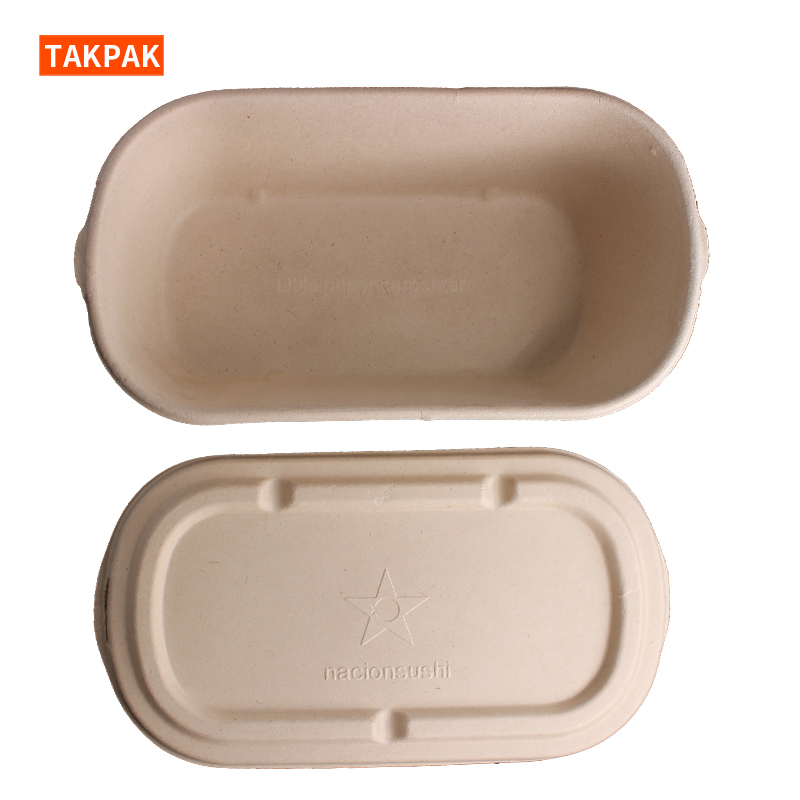
Not all paper is created equal. When choosing lunch box paper, it’s important to consider the materials and their environmental impact. Options range from recycled paper to biodegradable or compostable varieties. Recycled lunch box paper is made from post-consumer waste, reducing the demand for virgin materials and encouraging a circular economy. Biodegradable options, on the other hand, break down naturally after disposal, minimizing their footprint in landfills.
● Benefits of Choosing Recyclable Materials
Investing in recyclable lunch box paper offers numerous benefits. These materials support the recycling industry by creating demand and provide an end-of-life solution that aligns with the principles of sustainability. Additionally, using recyclable paper reduces greenhouse gas emissions and conserves natural resources, thus contributing to a more sustainable future.
Environmental Impact of Lunch Box Waste
● Statistics on Waste Reduction
The environmental impact of packaging waste is staggering. According to recent studies, the global production of paper and cardboard accounts for 17% of landfill waste. However, by choosing eco-friendly lunch box paper, consumers can help mitigate this impact. In fact, widespread adoption of sustainable packaging could result in a significant reduction of carbon emissions by millions of tons annually.
● Consequences of Improper Disposal
Improper disposal of lunch box paper, especially those containing food residues, can lead to detrimental environmental outcomes. When not recycled or composted, these papers contribute to the increasing burden on landfills, releasing methane—a potent greenhouse gas—into the atmosphere. This highlights the importance of proper disposal practices to ensure that environmental benefits are realized.
Recycling and Composting Basics
● How to Recycle Different Types of Papers
Recycling lunch box paper requires understanding the specific types that can be processed. Most plain papers are recyclable, but those with plastic coatings or heavy food residue are not. It’s essential to clean and separate recyclable paper from non-recyclable materials to ensure they are processed correctly.
● Composting Guidelines for Paper Products
Composting is an excellent alternative for lunch box papers that are not suitable for recycling. Biodegradable papers can be composted at home or through municipal programs. To facilitate decomposition, it’s important to shred paper and mix it with other organic materials, maintaining a proper balance of carbon and nitrogen.
Creative Reuse of Lunch Box Papers
● Ideas for Repurposing Paper at Home
Lunch box paper can be repurposed in numerous creative ways, reducing the need for immediate disposal. Used paper can serve as wrapping material, crafting material for children’s projects, or even as liners for compost bins. This not only extends the lifespan of the paper but also encourages innovation and creativity.
● DIY Projects and Crafts
Engaging in DIY projects with repurposed lunch box paper is a fun and practical way to promote sustainability. From origami to personalized gift cards, the possibilities are endless. These activities not only provide a creative outlet but also serve as a reminder of the importance of resourcefulness.
Innovative Brands and Products
● Companies Offering Sustainable Options
The market for sustainable lunch box paper is growing, and several companies are leading the way with innovative products. These brands prioritize environmental responsibility, offering options that are not only practical but also biodegradable or made from recycled content. By supporting these companies, consumers can contribute to a larger movement toward sustainability.
● Features of Eco-Friendly Lunch Box Paper
Top lunch box paper manufacturers and suppliers focus on features that enhance both functionality and ecological benefits. Key features include durability, food safety, and biodegradability. Wholesale lunch box paper suppliers often provide these products in bulk, making them accessible for both individual and commercial use.
Cost-Effective Practices for Families
● Budget-Friendly Sustainable Alternatives
Adopting sustainable practices need not be costly. Families can find budget-friendly alternatives that support eco-friendly goals. Purchasing lunch box paper in bulk from reliable suppliers can offer savings while ensuring a steady supply of environmentally friendly products.
● Long-Term Savings Through Eco-Conscious Choices
While the initial investment in sustainable lunch box paper might be slightly higher, the long-term benefits outweigh the costs. By reducing waste and embracing reusable options, families can save money on disposables, contributing to a more sustainable household economy.
Children's Education and Involvement
● Teaching Kids About Sustainability
Educating children about sustainability from an early age instills values that last a lifetime. Incorporating lessons about the environmental impact of lunch box paper and the importance of recycling can empower young minds to make eco-conscious decisions.
● Fun Activities to Promote Awareness
Interactive activities such as DIY projects or educational games can make learning about sustainability engaging and enjoyable for children. By integrating these activities into daily routines, parents can foster a culture of awareness and responsibility.
Community Initiatives and Collaborations
● Local Programs Supporting Eco-Friendly Lunching
Community initiatives play a vital role in promoting sustainable practices. Many local programs offer resources and workshops on eco-friendly lunching, encouraging collective action and shared responsibility.
● Success Stories and Partnership Models
Collaborations between schools, local governments, and businesses have resulted in successful sustainable lunch programs. These partnerships highlight the power of community in driving meaningful change and demonstrate effective models that can be replicated elsewhere.
Conclusion: Your Role as an Eco-Warrior
● Encouragement to Make Informed Decisions
Every individual plays a crucial role in the journey toward a more sustainable future. By making informed decisions about lunch box paper, we can collectively minimize our environmental impact. Eco-warriors everywhere are encouraged to adopt practices that reflect their commitment to a healthier planet.
● Call to Action for Sustainable Living
As we move forward, let us embrace the values of sustainability in all aspects of life. Through conscious consumerism and active participation in community efforts, each of us has the power to effect change. Let today's choices pave the way for a greener tomorrow.
Company Profile: Takpakwood
Suqian DAGOUXIANG Trading Co., LTD., under the Takpakwood brand, exemplifies excellence in the production and distribution of sustainable packaging solutions. As a subsidiary of Suqian Green Wooden Products Co., Ltd., established in 2002, Takpakwood specializes in innovative design and customer-centric services. Their portfolio spans paper, plastic, bamboo, sugarcane pulp, and ceramic packaging, all customized to meet specific needs. Committed to eco-friendly practices, Takpakwood offers food-safe, chemical-free wooden packaging, positioning themselves as a leader in environmental stewardship and customer satisfaction.
Post time: 2024-11-11 10:58:04
 Privacy settings