
Introduction to biodegradable sandwich packaging
In an era where sustainability has become a critical aspect of consumer choices, biodegradable sandwich packaging is emerging as an environmentally friendly alternative. This movement stems from a growing awareness of the impact of traditional packaging on our planet. Whether used by individual consumers or in the wholesale market, biodegradable sandwich packaging aims to reduce environmental damage without compromising on practicality or convenience. This article explores the benefits and costs associated with these eco-friendly options, considering various factors such as material innovation, cost comparisons, regulatory influences, and consumer perceptions.
Types of Biodegradable Materials for Sandwich Packaging
Biodegradable packaging comes in various forms, each with distinct advantages and challenges. Popular materials include cornstarch, paper, and polylactic acid (PLA), a biodegradable thermoplastic derived from renewable resources like corn starch or sugarcane. These materials are selected for their ability to decompose naturally, minimizing environmental impact.
● Cornstarch
● Cornstarch
is a versatile material used in biodegradable sandwich packaging due to its natural origin and biocompatibility. It provides a viable alternative to plastic, breaking down into harmless substances without releasing toxins into the environment. However, the challenge with cornstarch lies in its limited durability, which may not be suitable for all packaging needs.● Paper
● Paper
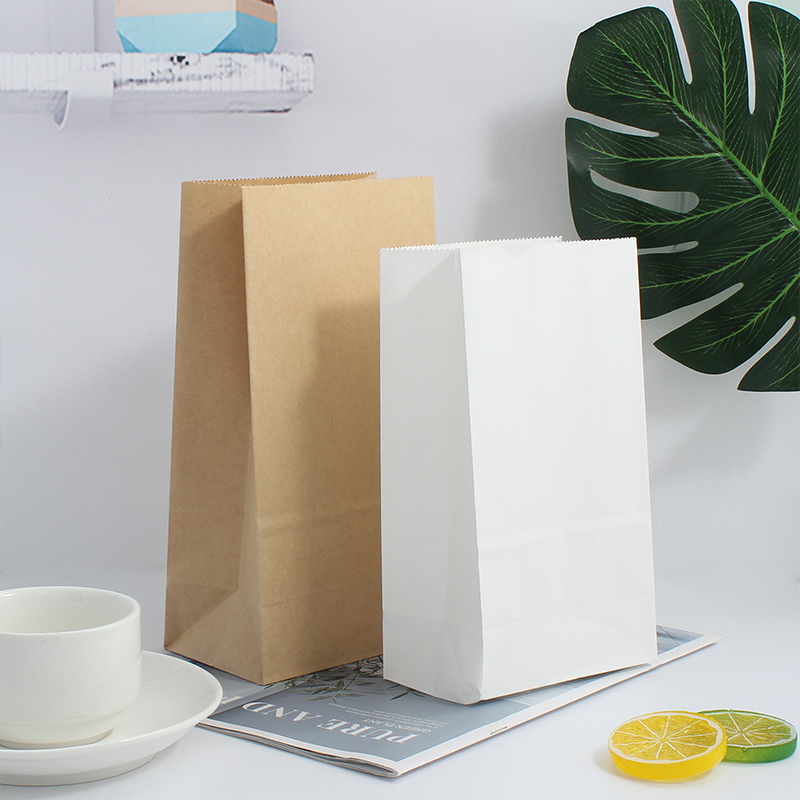
packaging is another preferred choice, often made from recycled materials. It is widely recyclable and compostable, making it a staple in developing sustainable packaging solutions. However, the production process can still involve significant resource use, and achieving a balance between sustainability and cost can be tricky.● Polylactic Acid (PLA)
PLA stands out due to its plastic-like properties, offering strength and transparency that other biodegradable options may lack. While it is commercially compostable, PLA requires industrial facilities to break down effectively, posing a challenge for areas lacking such infrastructure.
Comparing Costs of Biodegradable and Traditional Packaging
When considering the adoption of biodegradable sandwich packaging, costs play a crucial role. At first glance, the price of biodegradable options may appear higher than traditional plastic packaging, but a deeper analysis reveals a more complex picture.
● Short-term vs. Long-term Cost Implications
The upfront costs of biodegradable materials, attributed to their complex production processes and raw material sourcing, often surpass those of conventional packaging. However, long-term savings can be realized through reduced waste management fees and potential tax benefits from adhering to environmental regulations. Additionally, as consumer demand increases and technology advances, the cost of biodegradable options is expected to decline.
● Factors Affecting Cost Differences
Several factors influence the cost dynamics between biodegradable and traditional packaging. Production scale, technological advancements, regulatory pressures, and consumer willingness to pay premium prices all play a part. As these elements evolve, biodegradable packaging becomes increasingly cost-effective, especially for businesses aiming to embrace sustainable practices.
Environmental Benefits of Biodegradable Packaging
The environmental advantages of biodegradable sandwich packaging are significant. By reducing reliance on fossil fuels and minimizing landfill contributions, these eco-friendly materials align with broader sustainability goals.
● Reduction in Landfill Waste and Pollution
Traditional plastic packaging can take centuries to decompose, contributing to long-term environmental harm. In contrast, biodegradable options break down more quickly and naturally, reducing waste accumulation in landfills. This reduction in persistent waste also means fewer microplastics in oceans and ecosystems, lessening pollution and its impact on marine life.
● Impact on Carbon Footprint and Resource Conservation
Biodegradable materials often require fewer energy inputs during production compared to traditional plastics. By using renewable resources like cornstarch and sugarcane, these materials can decrease the carbon footprint associated with packaging production. Furthermore, as recycling and composting infrastructures improve, the potential for resource conservation increases, supporting a circular economy model.
Regulatory Drivers and Market Trends
Regulatory frameworks and shifting market trends strongly influence the adoption of biodegradable sandwich packaging. Governments worldwide are enacting laws to mitigate environmental degradation and encourage sustainable practices.
● Current Regulations Influencing Packaging Choices
Policies such as plastic bans and taxes incentivize the transition to biodegradable alternatives. For instance, the European Union's directives aim to significantly reduce plastic waste, setting recycling targets that encourage the use of biodegradable packaging. In many regions, failure to comply with such regulations results in financial penalties, pushing businesses to explore greener options.
● Shifts in Consumer Demand for Sustainable Options
Consumer preferences are evolving towards sustainability, with many willing to pay more for eco-friendly products. This shift is driven by increasing awareness of environmental issues and the desire for responsible consumption. As biodegradable packaging becomes more mainstream, businesses that adopt these solutions can enhance their brand's image and appeal to a broader, environmentally conscious audience.
Technological Innovations and Cost Efficiency
The role of technology in advancing biodegradable sandwich packaging cannot be overstated. Innovations in material science and production processes are pivotal in making these options more affordable and efficient.
● Role of Technology in Reducing Production Costs
Technological advancements enable manufacturers to refine production methods, improving the efficiency and reducing the costs of biodegradable packaging. For example, the development of new biodegradable polymers and improved processing techniques can lower material expenses and increase scalability, ultimately making eco-friendly packaging more accessible.
● Potential for Cost Decreases with Scale and Innovation
As demand for biodegradable packaging rises, economies of scale are achieved, further driving down costs. Additionally, ongoing research and development promise new materials and methods that could revolutionize the packaging industry, making it possible to offer competitive prices without compromising eco-friendliness.
Case Studies: Businesses Adopting Biodegradable Packaging
Examining real-world examples provides insights into the successful implementation of biodegradable sandwich packaging. Businesses across various sectors have embraced these solutions, reaping environmental and economic benefits.
● Examples of Companies Successfully Using Biodegradable Packaging
Several food chains and retail brands have transitioned to biodegradable sandwich packaging, recognizing the value of sustainable practices. These companies report improved brand loyalty, customer satisfaction, and compliance with environmental regulations, contributing to their overall success.
● Lessons Learned and Economic Outcomes
From these case studies, it is evident that strategic planning and investment in sustainable materials can lead to positive economic outcomes. By aligning packaging practices with environmental goals, businesses can differentiate themselves in a competitive market and build a reputation for corporate responsibility.
Consumer Perception and Willingness to Pay
Consumer perception plays a critical role in the adoption of biodegradable sandwich packaging. Understanding this dynamic is essential for businesses aiming to capitalize on the growing demand for sustainable options.
● Consumer Awareness and Preference for Eco-friendly Packaging
Education and awareness campaigns have raised consumer consciousness about the environmental impact of packaging. As a result, there is a clear preference for products that use sustainable materials, making biodegradable packaging an attractive choice for eco-minded customers.
● Analysis of Willingness to Pay Premium Prices
While biodegradable sandwich packaging can be more expensive, studies show that a significant portion of consumers are willing to pay a premium for sustainability. This willingness highlights the importance of positioning sustainable packaging as a value addition, not just an alternative, encouraging more brands to consider eco-friendly options.
Strategies for Businesses Transitioning to Biodegradable Packaging
For businesses considering the switch to biodegradable sandwich packaging, strategic planning is crucial. Implementing these changes efficiently can ensure both environmental and economic benefits.
● Steps to Minimize Costs During the Transition
Businesses can reduce transition costs by gradually integrating biodegradable options, starting with select products or regions. Collaborating with wholesale biodegradable sandwich packaging suppliers can also offer bulk discounts and insights into cost-effective practices.
● Incorporating Sustainable Practices into Business Models
To sustain the benefits of biodegradable packaging, businesses should integrate broader sustainable practices into their operations. This could include optimizing logistics to reduce carbon emissions or investing in renewable energy sources, reinforcing their commitment to sustainability.
Future Outlook: Biodegradable Packaging in the Sandwich Industry
The future of biodegradable sandwich packaging looks promising as technological advancements and consumer demand continue to drive growth. Industry projections suggest significant market expansion and ongoing innovation.
● Predictions for Market Growth and Material Advancements
Analysts anticipate steady growth in the biodegradable packaging market, driven by increasing environmental regulations and consumer awareness. Emerging materials and technologies will further enhance the performance and cost-effectiveness of these solutions, encouraging wider adoption.
● Long-term Economic and Environmental Impacts
In the long run, the shift to biodegradable sandwich packaging is expected to yield considerable environmental benefits by reducing reliance on fossil fuels and minimizing waste. Economically, businesses that prioritize sustainability may see enhanced brand reputation, customer loyalty, and regulatory advantages, positioning them as leaders in a progressively eco-conscious marketplace.
Company Profile: Takpakwood
Takpakwood, under Suqian DAGOUXIANG Trading Co., LTD., is a reputable name in packaging solutions. As a subsidiary of Suqian Green Wooden Products Co., Ltd., established in 2002, Takpakwood specializes in the R&D and production of wooden food packaging. Leveraging years of experience, the company now offers diverse packaging solutions, including paper, plastic, bamboo, sugarcane pulp, and ceramics. Renowned for high-quality, customized packaging, Takpakwood is committed to eco-friendly practices, providing customers with designs tailored to their branding needs without chemical treatments, assuring food-grade safety. Contact Takpakwood for sustainable, innovative packaging solutions.
Post time: 2025-01-23 10:07:08




 Privacy settings